Should A Septic Tank Be Full Of Water

Ever wondered what’s really going on beneath the surface of your yard, especially if you live in a home with a septic system? It's a question that often pops up in hushed tones at dinner parties, or perhaps more urgently when something seems a bit off with the plumbing: "Should a septic tank be full of water?" Well, let's dive into this intriguing underground world, because understanding your septic system is not just practical, it’s actually pretty fascinating!
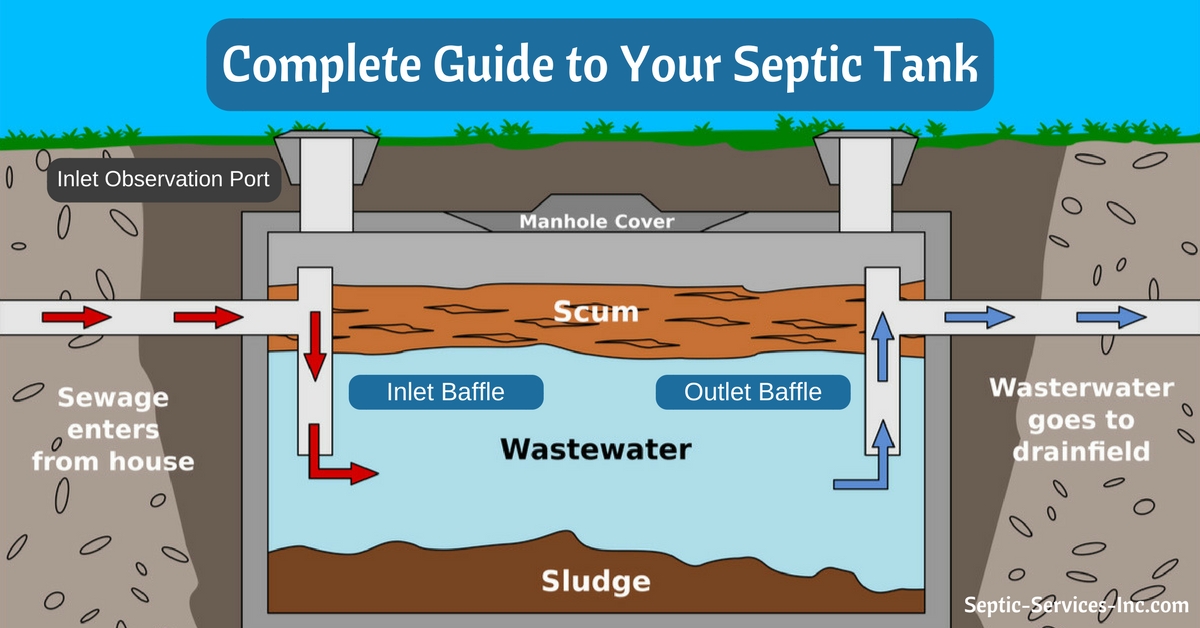
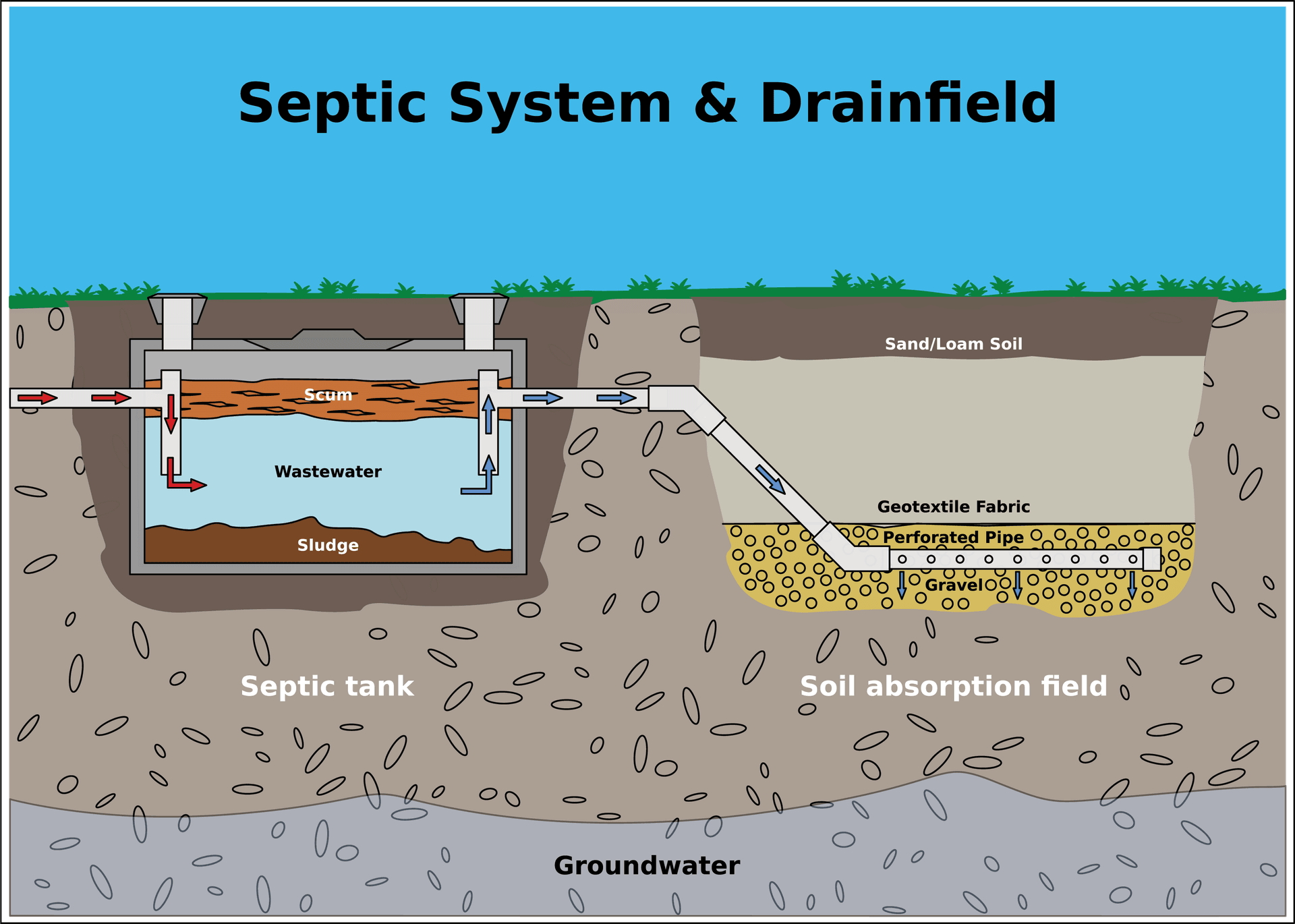
At first glance, the idea of a tank designed to manage wastewater being "full of water" might sound counterintuitive, or even like a problem. But here's the kicker: for a septic tank, being full of water is completely normal and, in fact, essential for its proper functioning! Think of your septic tank as a miniature, on-site wastewater treatment plant. Its primary purpose is to separate solids from liquids and begin the decomposition process of organic matter. Water, or rather, wastewater, is the medium in which all this magic happens.
So, what exactly are the benefits of this perpetually full state? Firstly, it creates an anaerobic environment, meaning one without oxygen. This is crucial because specific bacteria thrive in this oxygen-deprived setting, breaking down organic waste. Secondly, the water level helps to maintain a proper seal, preventing unpleasant odors and gases from escaping into your yard. As wastewater flows into the tank from your house, the same volume of treated liquid (effluent) is pushed out into the drain field. This constant displacement ensures that the tank always remains full, with a consistent liquid level above the outlet pipe.
Must Read
In our daily lives, understanding this helps us appreciate the hidden infrastructure that supports our homes. It’s a fantastic example of biology and engineering working hand-in-hand. For instance, knowing that your tank relies on a delicate bacterial ecosystem teaches you the importance of what not to flush – harsh chemicals, excessive grease, or non-biodegradable items can disrupt this balance. In an educational sense, it's a real-world lesson in wastewater management, demonstrating how communities, even individual households, can process their own waste efficiently and environmentally responsibly without relying on massive municipal sewer systems.
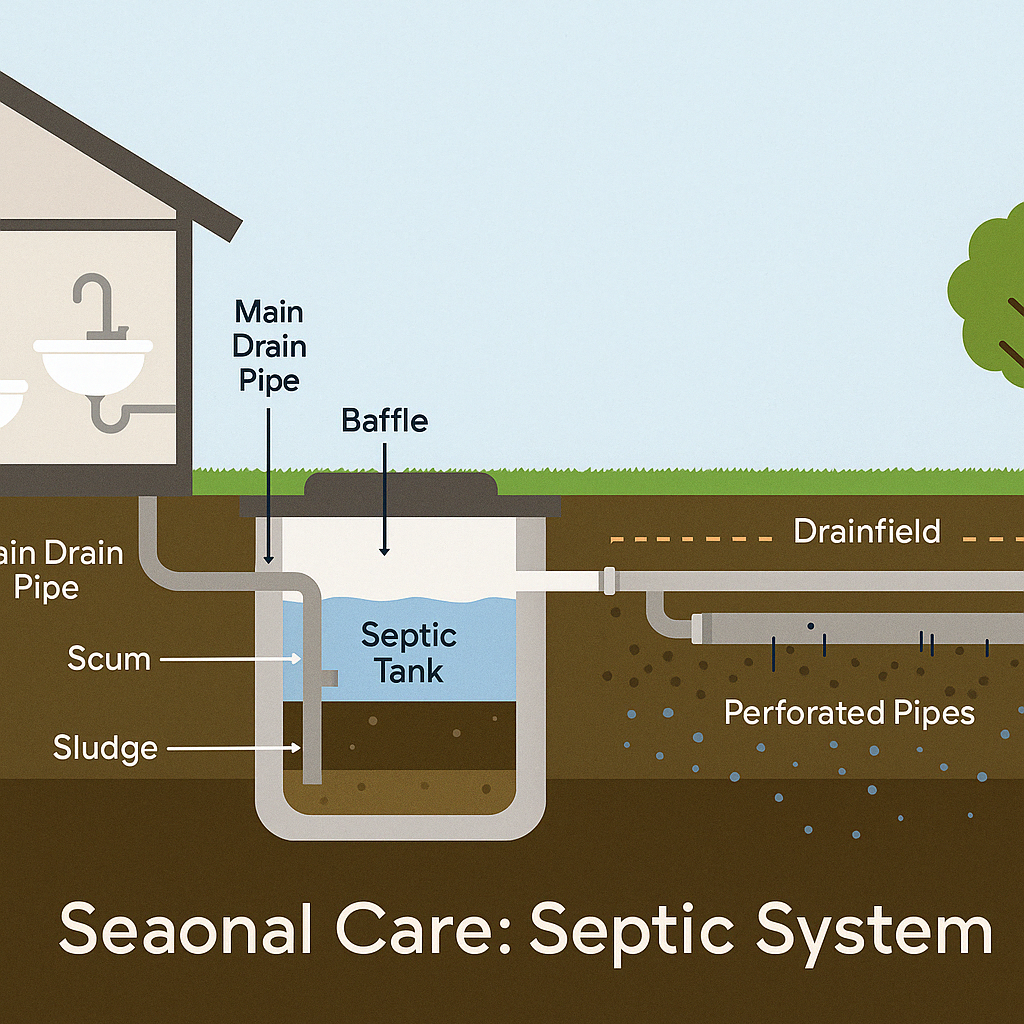
Want to explore this further without grabbing a shovel? Here are a few practical tips! Firstly, never open your septic tank lid yourself without professional guidance; gases can be dangerous. Instead, simply be mindful of what goes down your drains. Reduce the use of antibacterial soaps and harsh cleaning products, which can harm the beneficial bacteria. Watch for signs that your system might not be working correctly despite being full, like slow drains, gurgling toilets, sewage odors in your yard, or unusually lush, wet spots over your drain field – these indicate it might be time for a professional inspection or pumping. Remember, regular pumping, typically every 3-5 years depending on household size, is key to removing the accumulated sludge (heavy solids) and scum (lighter solids like fats and oils) layers, ensuring your tank remains full of the right kind of liquid for optimal performance. It's truly a marvel of practical ecology right beneath your feet!