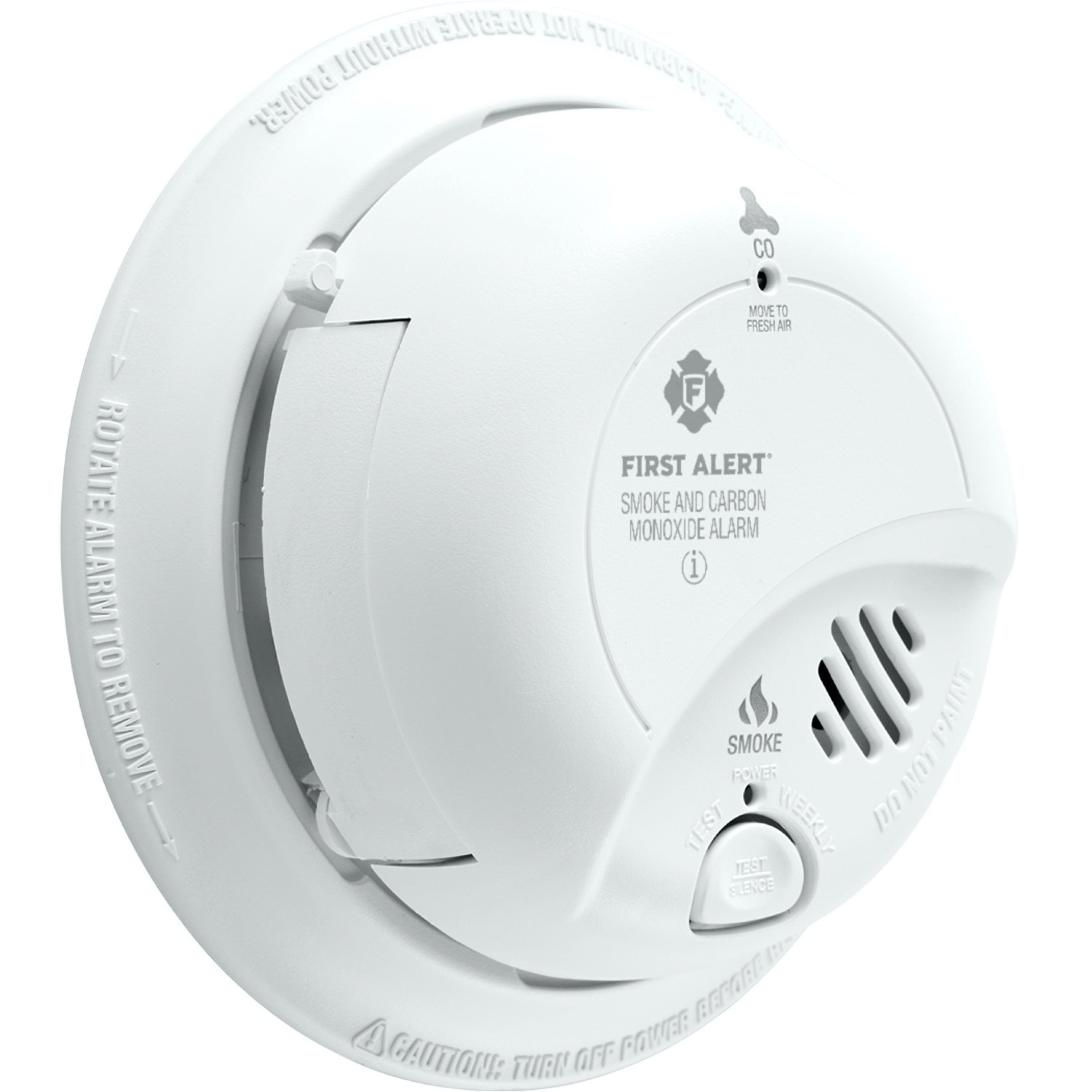
Red Light On First Alert Smoke Detector
Hey there, ever just paused for a split second and noticed that tiny, unassuming red light on your smoke detector? You know the one, sitting quietly on your ceiling or high up on a wall, just doing its thing. For many of us, it’s just part of the background, like the hum of the fridge or the ticking of a clock. But have you ever really thought about it? Specifically, about that little red light on your First Alert smoke detector, just quietly blinking away?
Well, let's take a chill moment and peek behind the curtain of this everyday hero. Because honestly, there's something pretty cool and quite reassuring about that tiny flash. It's not just some random flicker; it's a subtle nod, a quiet conversation that your smoke detector is having with the world, and with you.
The Subtle Art of the Blink
So, what's the big deal about a tiny blink, right? It's just a light! But this isn't just any light. For most First Alert smoke detectors, that regular, quick flash of the red LED light is its way of saying, "Hey, I'm here! I'm awake! I'm monitoring things!" Think of it like a little electronic heartbeat. Every 30 to 60 seconds, it gives a little pulse, a gentle reminder that it's actively scanning your air, vigilant and ready.
Must Read
It’s not trying to grab your attention with a flashy disco show. Quite the opposite, really. It’s designed to be unobtrusive, a silent guardian in plain sight. This regular blink is simply an indicator that the unit has power and its internal circuitry is functioning correctly. It’s a bit like a dedicated security guard doing a quick, silent patrol around your living room every minute. You don't always notice them, but you feel safer knowing they're there.
More Than Just a Pretty Flash: The Tech Behind the Ta-Da!
This little blink is connected to some pretty clever tech inside. Most residential smoke detectors, including many First Alert models, use one of two main technologies (or sometimes both!) to detect smoke. There are ionization smoke detectors, which use a tiny bit of radioactive material to create a current between two charged plates. When smoke enters, it disrupts this current, triggering the alarm. Then there are photoelectric smoke detectors, which have a light source and a sensor. When smoke enters the chamber, it scatters the light into the sensor, setting off the alert.

The red light blink is a confirmation that all these intricate parts – the sensors, the power source, the tiny microprocessors – are all playing nicely together. It’s a self-check, a mini diagnostic that happens constantly. Pretty neat for something we rarely give a second thought to, right? It’s not just a dumb box; it’s an active participant in your home's safety ecosystem.
Why We Often Miss It (And Why That's Okay)
Part of the genius of this design is its subtlety. If that light were super bright, or if it blinked every second, it would quickly become annoying, even distracting. We’d probably cover it up or try to disable it! But its gentle, almost lazy blink means it blends into the background of our busy lives. It's only when you happen to glance up, perhaps while staring at the ceiling in a moment of thought, that you catch it. And in that brief moment, it's a quiet whisper of reassurance: "All clear, friend. I'm on watch."

This subtle indicator also saves power. Instead of a constantly lit LED, a quick flash uses less energy, which is pretty important for those battery-operated units. It’s a smart design choice that balances the need for a status indicator with the practicalities of long-term, low-maintenance operation.
When the Blink Changes Its Tune
While the regular blink is a sign of good health, it’s worth knowing that sometimes, the blink pattern might change. For example, a much more frequent blink, or a series of rapid blinks, often signals a low battery – your smoke detector's way of saying, "Hey, I'm getting tired, time for a snack!" Or, if it's accompanied by chirping, it's definitely time to pay attention. But for now, let’s just appreciate the standard, steady rhythm. It's the baseline, the gentle hum of normalcy.

Appreciating the Unsung Hero
So, the next time you happen to catch that tiny red light on your First Alert smoke detector, give it a little mental nod. It's not just a random piece of plastic on your ceiling. It's a vigilant, always-on guardian, quietly doing its job, performing constant self-checks, and providing a discreet visual confirmation that it’s ready to alert you if the unexpected happens.
It’s a perfect example of how complex technology can be simplified into a single, understandable indicator – a tiny, rhythmic blink that speaks volumes without making a sound. Who knew such a small light could be so interesting, right? It's a little reminder that even the most mundane objects in our homes have stories and cleverness baked right into them.