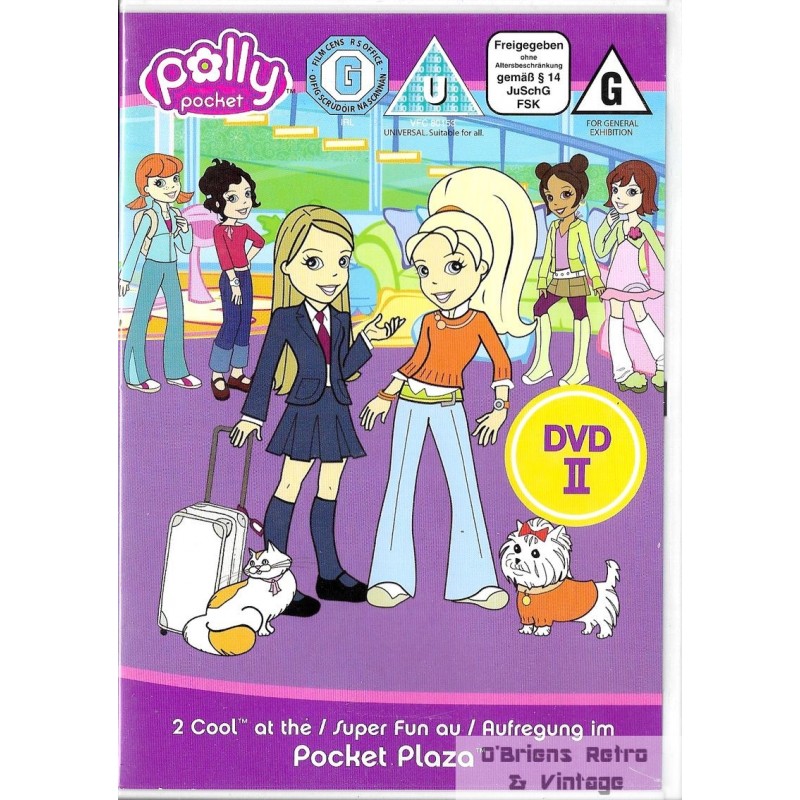
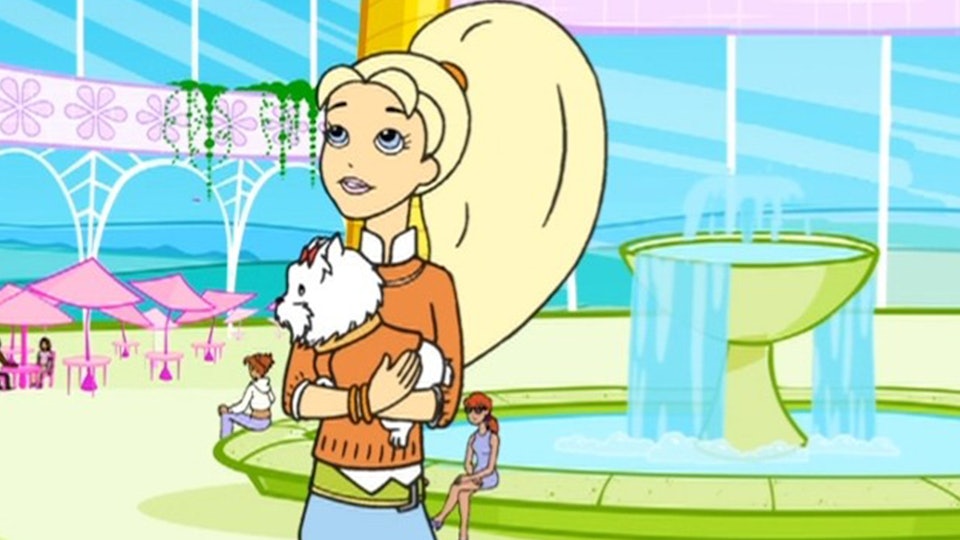
Polly Pocket 2 Cool At The Pocket Plaza

Remember the thrill of tiny worlds? The kind you could hold in your hand and whisk away to fantastical adventures? If you were a child of the '90s (or the parent of one!), the name Polly Pocket probably conjures up a wave of nostalgia. But these weren't just toys; they were miniature portals to imagination, and some sets, like Polly Pocket 2 Cool At The Pocket Plaza, packed an extra punch of playful potential.
So, why revisit this tiny icon now? Because even though the toys themselves might be vintage, the core concept behind them – sparking creativity, encouraging storytelling, and fostering imaginative play – is timelessly relevant. Polly Pocket 2 Cool At The Pocket Plaza wasn't just about having a shopping mall in your pocket; it was about creating stories, developing social skills (through playing with friends), and exploring different scenarios in a safe and contained environment.
The purpose of Polly Pocket 2 Cool At The Pocket Plaza was simple: to provide a compact, portable playset that facilitated imaginative play. Its benefits extended beyond mere entertainment. Think about it: children using these sets were essentially engaging in role-playing, developing narratives, and even practicing problem-solving as they figured out how the tiny mechanisms worked. They were learning about different environments, social interactions, and even basic economics as they "shopped" and interacted within the mall setting.
Must Read
How can this translate to education or daily life now? Well, the principles are still incredibly powerful. Educators can use similar concepts – miniature models, role-playing exercises, and interactive scenarios – to teach various subjects. Imagine using a scaled-down plaza model to teach basic geometry, urban planning, or even social studies, exploring concepts like community and consumerism. In daily life, encourage children to create their own miniature worlds using recycled materials or building blocks, prompting them to develop stories and scenarios around these environments. This fosters creativity, problem-solving skills, and narrative development.
Here are a few practical tips to explore the magic of miniature worlds with children:
- Building a Mini City: Use cardboard boxes, craft sticks, and paint to create buildings and streets. Let the child design their own town layout.
- Story Prompts: Give the child a story prompt related to a shopping plaza or similar environment and have them act it out using toys or dolls.
- Sensory Bins: Create a sensory bin filled with materials that represent different shops or activities found in a plaza (e.g., beads for jewelry, small fabric scraps for clothes).
- DIY Polly Pocket: Encourage kids to create their own versions of Polly Pocket sets using repurposed containers and materials. This emphasizes resourcefulness and creative problem-solving.
Even if you don't have access to the original Polly Pocket 2 Cool At The Pocket Plaza, the spirit of its playful intent can be easily replicated. The key is to encourage imagination, storytelling, and the creation of miniature worlds that spark curiosity and inspire endless adventures. So, go ahead, shrink down your perspective and rediscover the joy of tiny worlds – the possibilities are endless!