
Palmers Fade Cream Hydroquinone
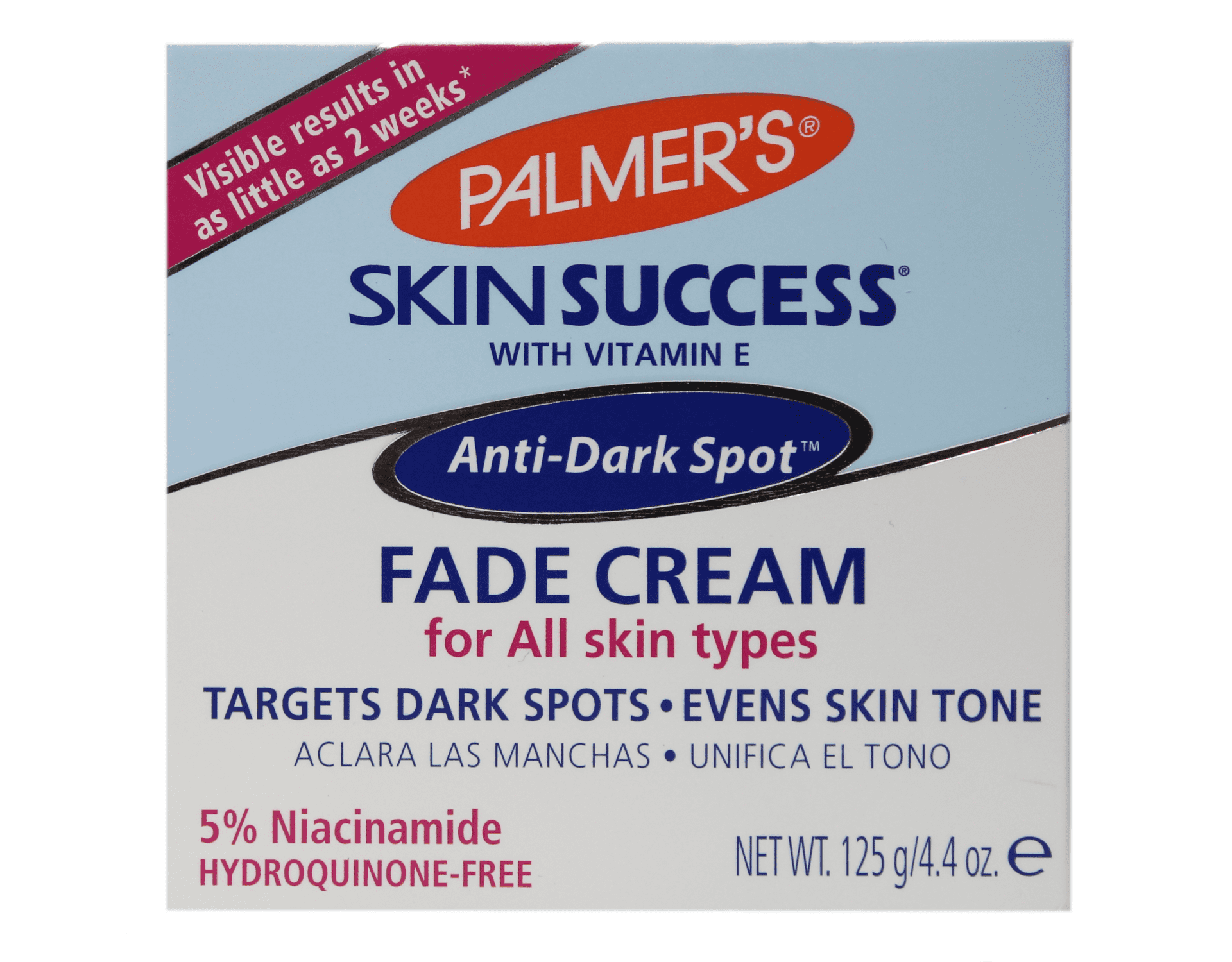
Okay, let's talk about something a little…controversial. Something that lives on drugstore shelves, promising to even things out. Yep, we're diving headfirst into the world of Palmer's Fade Cream and its star ingredient: Hydroquinone.
Now, before you sharpen your pitchforks, hear me out! I have an unpopular opinion. And it involves tiny, stubborn spots.
A Beauty Confession (Gasp!)
I've always been a bit…uneven. Not personality-wise, obviously (wink). I'm talking about skin tone. Freckles galore, a few sun spots earned during questionable teenage tanning bed decisions (don't judge!), and the occasional post-inflammatory hyperpigmentation from ahem teenage acne.
Must Read
For years, I tried everything "natural." Lemon juice? Turmeric masks? They smelled great and made for fun selfies, but did they fade anything substantial? Nope.
Then, I stumbled upon the Palmer's aisle. I saw the Fade Cream staring back at me. I remember thinking, “Could this be it?”
The Hydroquinone Hype (and Hesitation)
Let's be real, Hydroquinone gets a bad rap. Everyone warns you about it. It's like the villain in a skincare movie.
You hear whispers of bleaching and scary side effects. You read articles about it being banned in certain countries. It's enough to make you run for the hills…or back to the lemon juice.

But here's my controversial take: used responsibly, and with the proper precautions, it can actually work! And for some of us, it works really well.
My Unpopular Opinion (Prepare Yourselves)
I think Hydroquinone, in the right formulation and used correctly, has its place. There. I said it.
I’m not advocating for slathering it all over your face like moisturizer. I'm talking about targeted treatment. Tiny dabs on those frustratingly persistent spots.
And yes, SPF, SPF, SPF! It’s like the sunscreen gospel. Hydroquinone makes your skin more sensitive to the sun, so if you’re not religious about sun protection, step away from the cream. Seriously.
My (Gasp!) Experience with Palmer's
So, I tried it. I cautiously applied Palmer's Fade Cream to a few stubborn dark spots. I wore sunscreen like my life depended on it (because, let's be honest, my skin's health kind of does).
And guess what? Over time, I saw a difference. Those little buggers started to fade. I felt a little more confident.
Don’t get me wrong, it wasn't a miracle cure. It took time and consistency. And I was constantly vigilant about sun protection.
But for me, it worked. And that's why I have this unpopular opinion.

Disclaimer Time (Because, You Know, Responsibility)
I'm not a dermatologist. This isn't medical advice. Always, always, always consult with a professional before using any product containing Hydroquinone. Especially if you have sensitive skin or any underlying skin conditions.
Patch test! Start slowly! And listen to your skin. If it's screaming at you, stop!
I am merely sharing my personal experience. Your mileage may vary. Side effects may include…well, hopefully, not much, if you’re being careful!
The Takeaway (Maybe?)
Maybe Hydroquinone isn't the devil ingredient everyone makes it out to be. Maybe, with caution and guidance, it can be a helpful tool in the fight against hyperpigmentation.

Maybe I'm completely wrong! But hey, at least I’m sharing my experience.
So, tell me, what are your thoughts on Palmer's Fade Cream and Hydroquinone? Am I completely off my rocker? Or do you secretly agree with me?
I’m ready for the debate. Just please be kind. My skin is sensitive (to opinions, too!).
Just a small note. If you have darker skin tone, be careful using Hydroquinone as it can cause paradoxal hyperpigmentation.
Anyway, I want to hear what you think.