
Nitrogen Generator For Oil And Gas Ships

Okay, let's talk about something wildly fascinating: Nitrogen Generators on Oil and Gas Ships. I know, I know, hold your applause. It doesn’t sound like the plot of the next summer blockbuster. But stick with me here.
Think about these giant ships. They're basically floating cities of… well, flammable stuff. Lots of it. And what does flammable stuff not like? Oxygen. Oxygen's like that one friend who always shows up and starts drama.
That's where our unsung hero, the nitrogen generator, steps in. Its job? To kick oxygen out of the VIP room (the tanks, pipes, and everything else that contains all that valuable, but volatile, cargo). It’s essentially a bouncer, but for molecules.
Must Read
Why Nitrogen Though?
Nitrogen is, let's be honest, kinda boring. It’s like the beige of the periodic table. But that's exactly why it’s perfect! It's inert. Meaning it doesn’t react easily. It just hangs out, minding its own business, while also preventing explosions. Talk about a team player!
Now, here comes my potentially unpopular opinion: Nitrogen generators on these ships are secretly hilarious. Think about it. We're building incredibly complex machines on massive, bobbing steel structures, all to produce…air that's mostly already in the air around us. It’s like paying someone a fortune to bring you water...on a boat in the ocean!
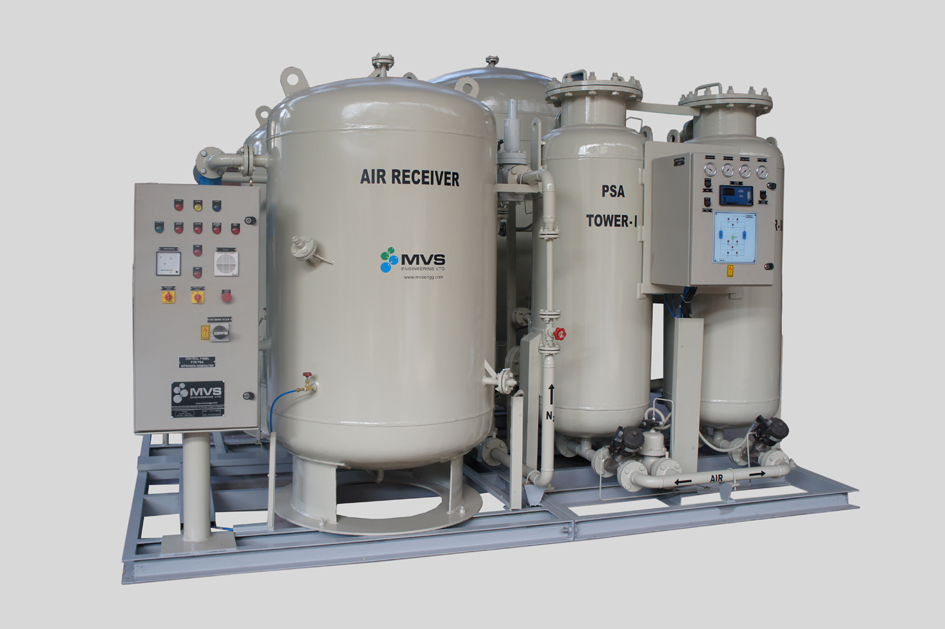
I'm kidding, mostly. Of course, it's way more complicated than that. You can't just scoop up the ocean air and pump it in. That air is full of, well, everything. Salt, moisture, seagull feathers... not ideal for keeping explosive materials from, you know, exploding.
These nitrogen generators are like tiny, super-efficient air filters on steroids. They take normal air and strip out all the unwanted stuff, leaving behind pure, unadulterated nitrogen. It’s like ordering a kale smoothie but removing everything that makes it healthy…and then calling it a day.
The Genius of the Mundane
Seriously, though, the brilliance of the nitrogen generator lies in its… well, mundane-ness. It’s not flashy. It doesn’t have lasers (as far as I know). But it quietly, reliably does its job, day in and day out. And that job? Preventing catastrophic explosions that would make Michael Bay blush.
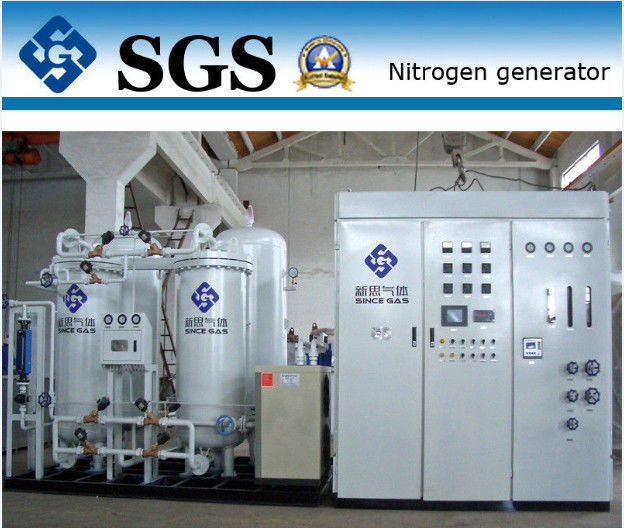
And consider this. They're generating nitrogen onboard. That means no need to constantly resupply with tanks of compressed nitrogen. Think of the logistics! The cost! The potential for someone to accidentally drop a nitrogen tank (okay, maybe that’s just me being clumsy).
So, next time you see a tanker chugging along the horizon, remember the humble nitrogen generator. It's the unsung hero of maritime safety. The quiet guardian against fiery doom. The beige molecule's best friend.
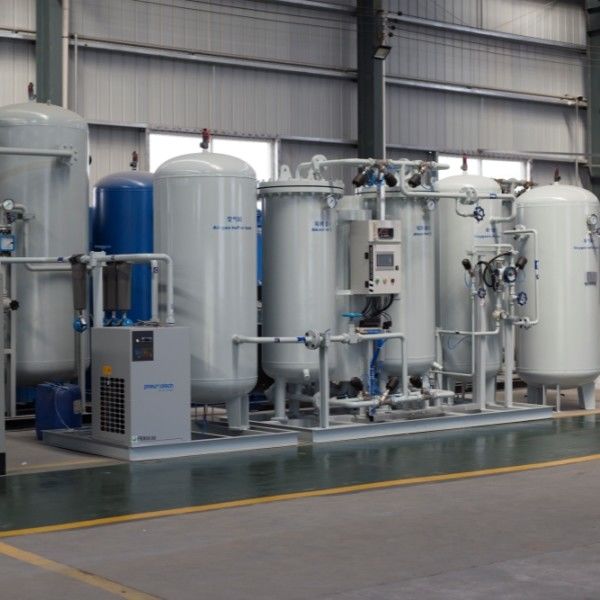
And here’s another potentially unpopular opinion: We should all appreciate the underappreciated. The nitrogen generator. The person who restocks the office coffee. The algorithm that suggests the perfect next show to binge-watch. They're all making our lives a little bit safer, a little bit more caffeinated, and a little bit more entertaining.
We salute you, Nitrogen Generator! You’re the real MVP. Even if you’re just making fancy air.
And, let's be real, isn’t there something deeply satisfying about taking something as common as air and turning it into a tool for safety and industry? It’s like alchemy, but without the pointy hats and questionable smells.

Now if you'll excuse me, I’m going to go outside and appreciate the air around me. Maybe even thank it for not exploding.
Oh, and one more thing: If you ever find yourself on an oil and gas ship, and you see a big, unassuming machine humming quietly in the corner, that’s probably your friendly neighborhood nitrogen generator. Go ahead, give it a little nod. It deserves it.
This article is not intended as a comprehensive technical explanation. Please consult qualified professionals for detailed information regarding nitrogen generators on oil and gas ships. Seriously, don't try to build your own at home. You might end up with a really boring explosion.