
Motion Sensor Alarm For Home Security

You know that moment, right? It’s 3 AM, a floorboard creaks downstairs, and suddenly your imagination goes from “maybe the house is settling” to “there’s definitely a ninja cat burglar meticulously polishing their tools on your antique rug.” We’ve all been there, folks. That delightful blend of sleepy paranoia and a sudden, urgent need to check if the front door is actually locked. Well, what if I told you there’s a gadget out there that can be your home’s personal bodyguard, 24/7, without demanding extra kibble or napping on your clean laundry? Enter the magnificent, often misunderstood, motion sensor alarm.
The Unsung Hero: How They (Magically) Work
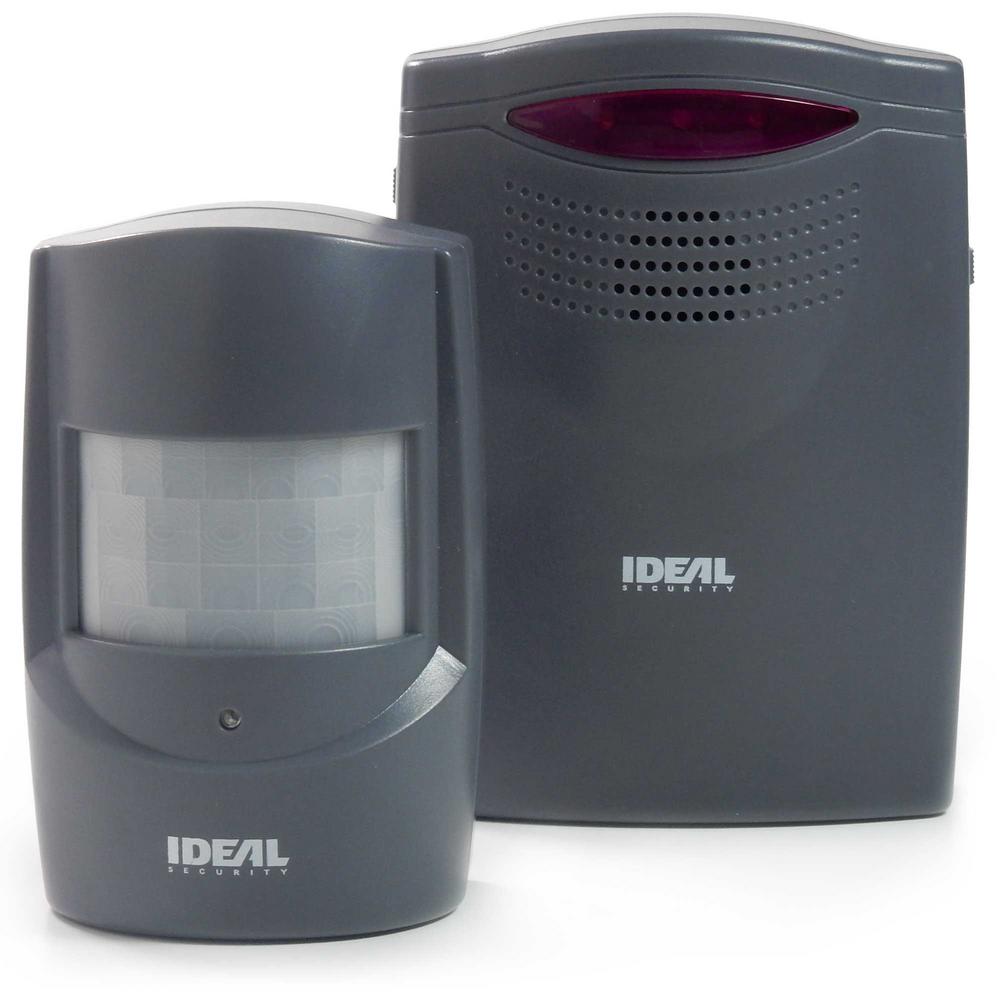
Forget complex spy movie tech; motion sensors are surprisingly simple, yet incredibly clever. Most home security sensors are what we call Passive Infrared (PIR). Don’t let the fancy name scare you! All it means is that they're passively waiting to detect changes in infrared radiation – that's fancy talk for body heat. Every living thing (yes, even that sneaky spider plotting world domination in your corner) emits heat. When something warm moves into the sensor’s field of view, it notices the temperature shift, and BAM! Alarm triggered. It’s like having a tiny, invisible bouncer who only lets in things that aren't you or your static furniture.
Then there are the microwave/radar sensors, which are like tiny, polite sonic bats, sending out waves and listening for echoes. If an echo changes, it means something moved. These can be even more sensitive, picking up movement even through thin walls. Together, they create a formidable, invisible shield around your precious abode. It's essentially your house saying, "Not today, Satan," to any uninvited guests.
Must Read
Why You Need a Guardian Angel (with Wires)
First off, there’s the obvious: deterrence. Imagine a shadowy figure, creeping up to your window, all stealth and nefarious intent. Suddenly, a piercing, ear-splitting siren erupts, bright lights flash, and possibly a disembodied voice shouts, "Intruder detected!" I guarantee you, unless they’re auditioning for a heist movie remake, they’re going to develop an immediate, urgent need to be elsewhere. Possibly a different zip code.
Beyond scaring the pants off baddies, these alarms offer peace of mind. Knowing that while you're catching Zs or enjoying a latte miles away, your home is under vigilant surveillance is a game-changer. Many modern systems send instant notifications straight to your phone, turning you into a digital superhero who knows if something’s amiss before anyone else. It's like having eyes in the back of your house, even when you're facing forward in a meeting.

And here's a fun fact: the concept of motion detection isn't new! Early "alarms" included things like tripwires attached to bells or even trained geese! We've come a long way from an angry goose honking its way to security, but the core idea of detecting uninvited movement remains.
The Comedy of Errors: When Your Alarm Has a Sense of Humor
Let’s be real: motion sensors aren’t always perfect. Sometimes, they have a really dry sense of humor. The biggest culprit for false alarms? Our beloved pets. Your fluffy feline friend, gracefully leaping onto the counter at 2 AM, can look like a small, very athletic burglar to an unsuspecting sensor. This is why many systems offer "pet-immune" sensors, which are designed to ignore creatures below a certain weight or size. Or, you know, just set the sensor high enough so only human-sized objects can trip it, making your cat’s midnight parkour routine blessedly silent.
Then there are the inanimate objects with a mind of their own. A curtain gently swaying in a draft. A balloon, forgotten from last week’s birthday party, finally floating free. Even a rogue insect flying too close to the sensor can trigger a full-blown emergency. It’s enough to make you wonder if your house is haunted by poltergeists… only to discover it was just Bartholomew, your particularly dramatic moth. The stories you'll have!
And let's not forget the most common intruder: you. Picture this: you've crept downstairs in the dead of night for a glass of water, utterly forgetting you armed the system. Suddenly, the alarm blares, your heart leaps into your throat, and you’re doing a panicked scramble to disarm it before the neighbors think you’re being robbed (again). It’s a rite of passage for motion sensor owners!
Mastering the Motion Maze: Smart Placement Tips
So, how do you minimize the midnight shenanigans and maximize actual security? Placement is key!
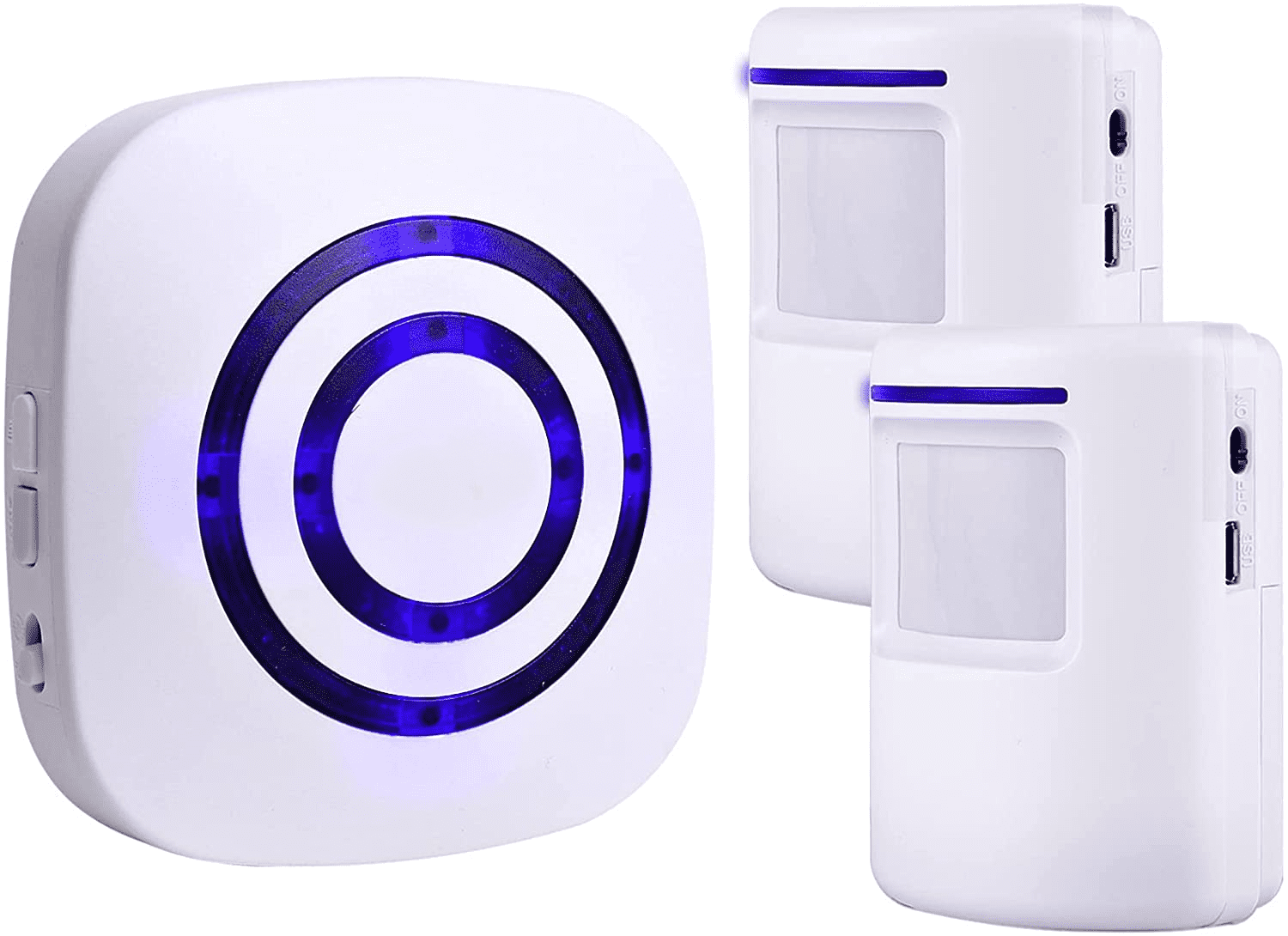
Aim for high-traffic areas where an intruder is guaranteed to walk: main hallways, stairwells, and entry points. Corners are often ideal, giving the sensor a wide, encompassing view.

To avoid those hilarious false alarms, keep sensors away from direct sunlight, heating vents, or windows where curtains might sway. Also, if you have a particularly agile pet, consider those pet-immune sensors or angle the sensor so it’s looking above their usual stomping grounds. Think of it like setting up an invisible laser grid, but for home security instead of stealing diamonds.
So, Are They Worth the Hype?
Absolutely! While they might occasionally mistake your cat for a cat burglar or your late-night snack run for a home invasion, motion sensor alarms are an invaluable part of a modern home security system. They’re a cost-effective, vigilant, and often hilarious way to keep your home safe. They don’t just deter criminals; they grant you that invaluable gift of sleeping soundly, knowing that if something truly goes bump in the night, your house has got your back.
So go ahead, arm your home with these digital guardians. Just remember to disarm it before you raid the fridge for that leftover pizza. Unless, of course, you enjoy starting your own personal episode of "Cops" every time you get a midnight craving!