
Mold Around Air Vents In House

Okay, so picture this: I'm chilling on the couch, binge-watching some truly terrible reality TV (don't judge!), and I glance up at the air vent. And what do I see? A delightful, fuzzy, grayish-black…something. My first thought wasn't, "Oh, look, home decor!" It was more like, "Is that…is that mold?!" Cue the internal screaming and frantic Googling. Anyone else been there?
Spoiler alert: it was totally mold. And, let's be honest, finding mold around your air vents isn't exactly winning the homeownership lottery. But before you start packing your bags and moving into a hermetically sealed bubble, let's talk about why it happens and what you can do about it. Because knowledge is power, people!
Why is My Air Vent Rocking the Mold Look?
Alright, let's break it down. Mold loves a few key things: moisture, food, and a nice, cozy place to hang out. And guess what? Air vents can be like an all-you-can-eat buffet and luxury condo for mold.
Must Read
The biggest culprit is usually humidity. Warm, moist air hitting the cooler surface of your vent creates condensation. Think of it like that condensation on your cold drink on a hot day. Except, instead of wiping it away, it just chills there, creating the perfect breeding ground for mold. (Gross, I know.)
Dust and other particles that get sucked into your vents also provide a tasty snack for mold. Basically, your air vents become a mini-ecosystem, supporting a thriving (and unwanted) fungal colony. You’re basically running a mold hotel. And nobody booked a stay, right?
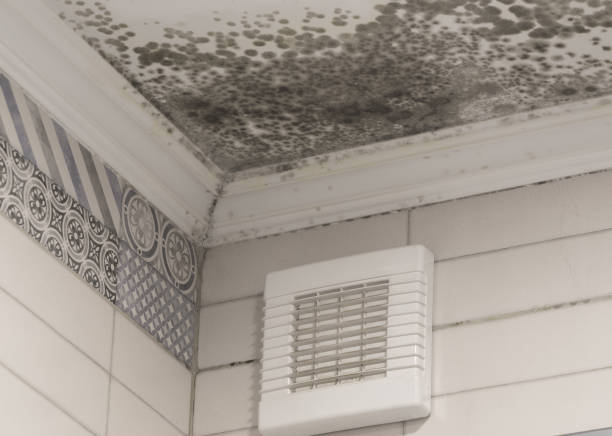
Another possibility? Leaks. A leaky roof, a plumbing issue, even just poor insulation can all contribute to excess moisture, which, as we've established, is mold's BFF.
Is It Just Unattractive, or Actually a Problem?
Okay, let's be real. Mold is not exactly a design feature anyone aspires to have. But beyond the aesthetics (or lack thereof), mold can actually pose some health risks. This is where things get serious.
Exposure to mold spores can trigger allergic reactions, causing symptoms like sneezing, coughing, itchy eyes, and skin rashes. For people with asthma or other respiratory conditions, mold can make symptoms even worse. In some cases, prolonged exposure to certain types of mold can even lead to more serious health problems. So, yeah, dealing with it is important.

Think of it like this: mold is that uninvited guest who shows up to your party, eats all the snacks, and then starts causing drama. You want to get rid of them ASAP!
Operation: Kick Out the Mold!
So, what can you do to evict these unwelcome tenants? Don't worry, you don't need a hazmat suit (probably). Here's a game plan:
First things first: Safety! Wear gloves, a mask (especially if you’re sensitive to mold), and eye protection. Safety first, always!

Cleaning Time: For small areas of mold, you can usually clean it yourself. Use a mixture of bleach and water (1 part bleach to 10 parts water). Spray the affected area, let it sit for a few minutes, and then scrub with a brush. Rinse thoroughly and dry completely. Important: Never mix bleach with ammonia or other cleaning products! (Seriously, don't. Bad things happen.)
Ventilation is Key: Open windows and doors while you're cleaning to help air out the area and prevent the spread of mold spores.
Address the Root Cause: Cleaning the mold is only a temporary fix if you don't address the underlying issue. Find out why the moisture is there in the first place! Is it a leaky roof? High humidity? A condensation problem? Fix the source, and you'll prevent the mold from coming back.

When to Call in the Pros: If the mold covers a large area (more than 10 square feet), or if you suspect it's spreading into your walls or ventilation system, it's time to call in a professional mold remediation company. They have the expertise and equipment to safely and effectively remove the mold and prevent it from returning. Don’t be a hero, sometimes you just need backup.
Prevention is the Best Medicine (or Mold Killer?)
The best way to deal with mold is to prevent it from growing in the first place. Here are a few tips:
- Control Humidity: Use a dehumidifier to keep the humidity levels in your home below 50%.
- Improve Ventilation: Make sure your bathrooms and kitchen are well-ventilated, and use exhaust fans when showering or cooking.
- Regularly Clean Your Vents: Vacuum your air vents regularly to remove dust and debris.
- Check for Leaks: Inspect your roof, plumbing, and windows for any signs of leaks and fix them promptly.
So, there you have it. Mold around air vents: not ideal, but definitely manageable. By understanding why it happens and taking proactive steps to prevent and remove it, you can keep your home healthy and mold-free. Now, if you'll excuse me, I'm off to vacuum my air vents. Wish me luck!