Low Temperature Monitoring System For Home
Have you ever peered into your fridge or freezer, wondering if everything inside is truly staying at its optimal chill? Or perhaps you've been curious about the temperature in that seldom-visited corner of your basement during a deep winter freeze? What about ensuring your carefully curated wine collection is always at its perfect storage temperature? If any of these thoughts have crossed your mind, then you're already on your way to appreciating the quiet magic of a Low Temperature Monitoring System for Home.
It sounds a bit high-tech, doesn't it? But really, it’s just another fantastic way to peek behind the scenes of your home's hidden environments. It's not just about gadgetry; it's about peace of mind, smart living, and even a touch of scientific curiosity applied to your daily life. Learning about these systems is a bit like gaining a minor superpower – the ability to know what's going on temperature-wise, even when you're not there.
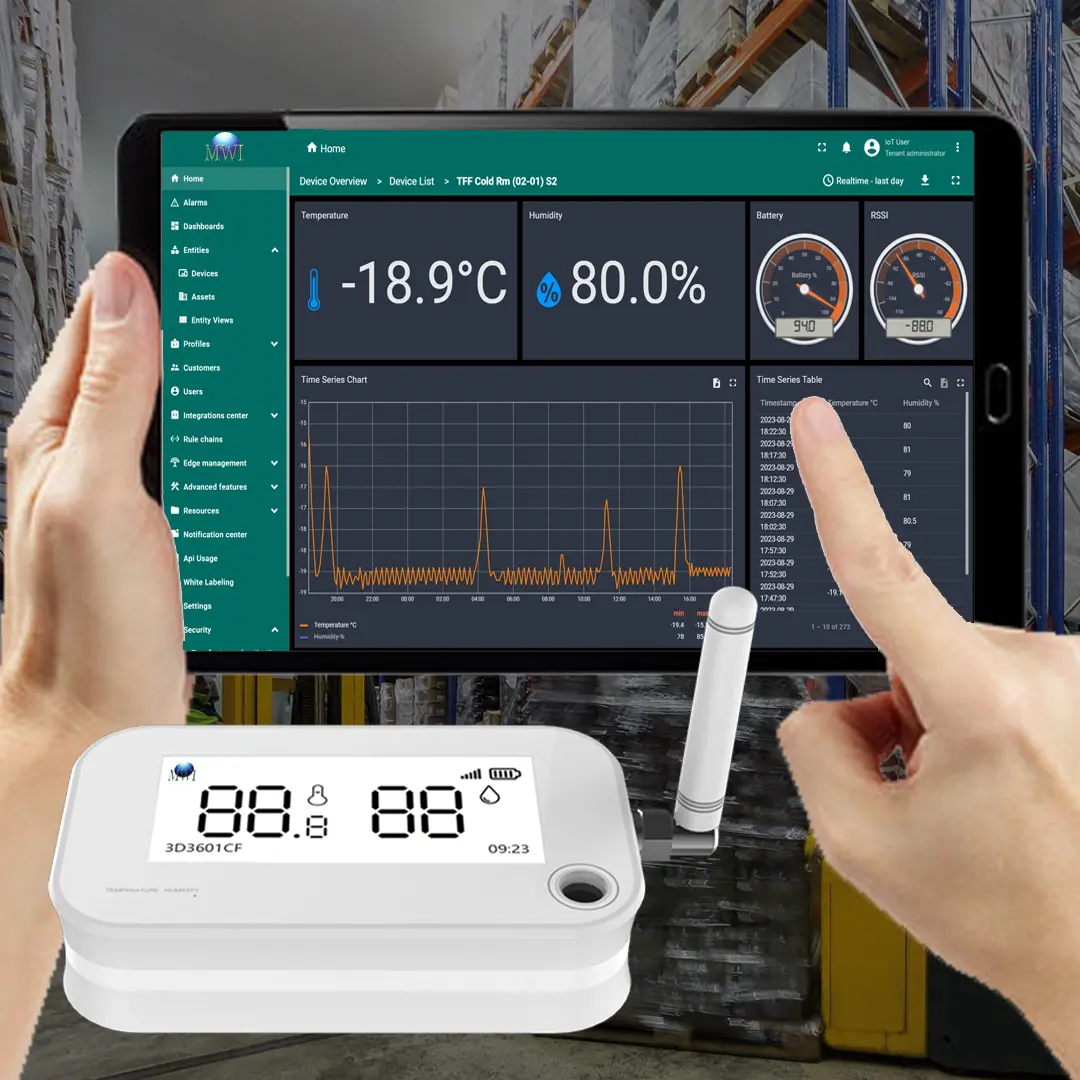
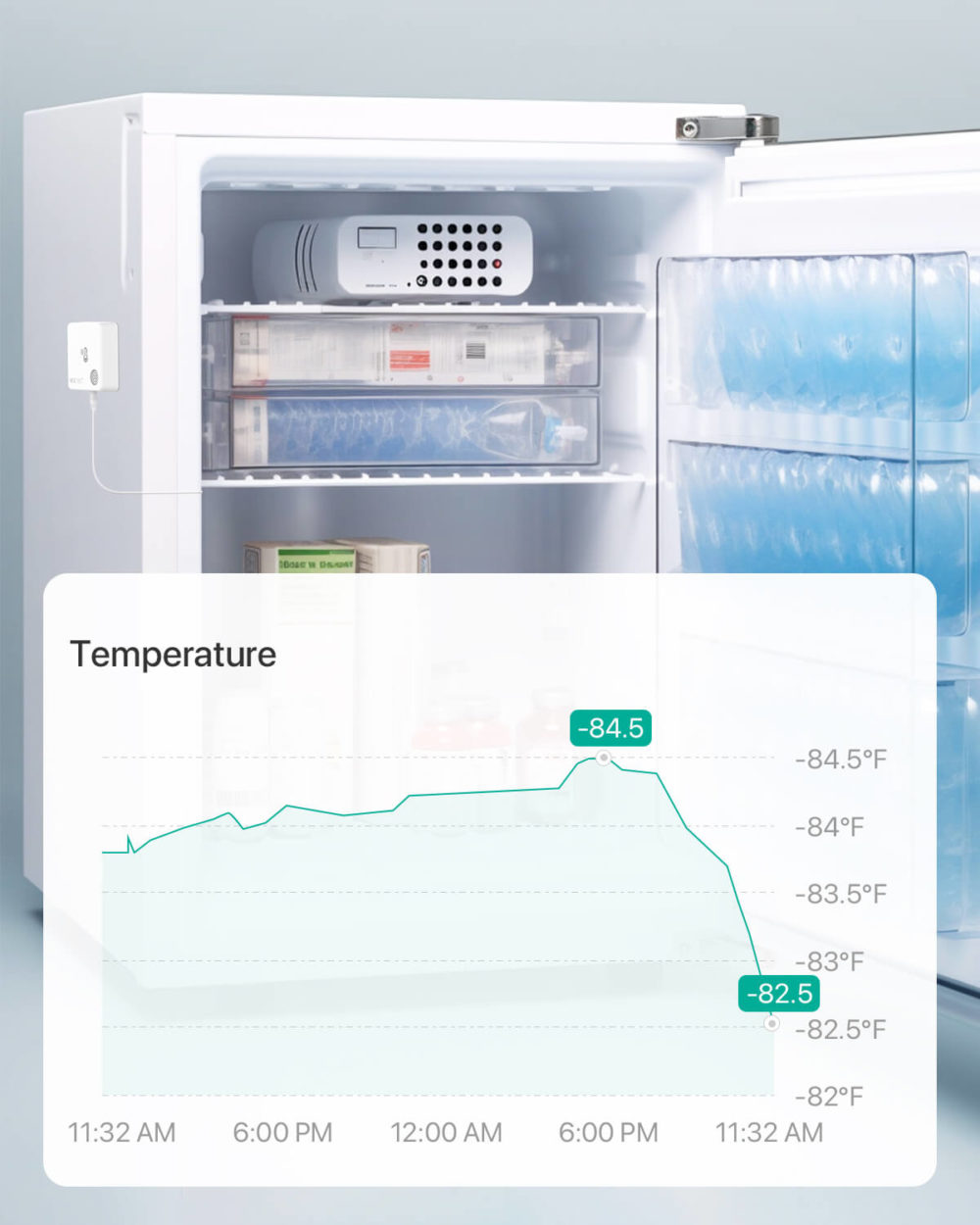
So, what exactly does such a system do? At its core, a Low Temperature Monitoring System does precisely what its name implies: it measures and tracks temperatures, typically those below ambient room temperature, in various spots around your home. The biggest benefits are often related to food safety and energy efficiency. Imagine getting an alert on your phone if your freezer unexpectedly warms up due to a power outage or a faulty seal. That's a potential basket of spoiled food (and money!) saved right there. Or perhaps your fridge is working overtime because its temperature regulation isn't quite right – knowing this could lead to a simple fix and lower electricity bills. Beyond appliances, these systems can alert you to dangerously low temperatures in a garage or utility room, potentially preventing costly frozen pipes.
Must Read
These systems aren't just for the super-organized homeowner. They offer fantastic opportunities for both daily life improvements and a bit of hands-on learning. In your daily routine, you could use a sensor to monitor your main refrigerator to ensure food freshness, or keep an eye on a secondary freezer in the garage where forgotten goods often reside. For the wine enthusiast, a sensor in your wine cellar or cooler provides assurance that your bottles are aging perfectly. During winter, placing a sensor near vulnerable pipes in a crawl space could give you advance warning before disaster strikes.

For the budding scientist or simply the curious mind, these systems open up a world of simple experiments. How quickly does a cooler full of ice melt compared to one with just a few ice packs? What's the temperature difference between the top and bottom shelf of your fridge? How effective is that new insulation you added to the attic in keeping the upstairs cooler? You can track these changes over time, turning everyday observations into fascinating data points. It’s an accessible way to teach kids about thermal energy, insulation, and data logging.
Ready to start exploring? You don't need to dive into complex installations. Begin with a simple wireless thermometer that has one or two remote sensors you can place in your fridge or freezer. Many models offer basic displays and audible alarms. If you're feeling a bit more adventurous, look for systems that connect to your Wi-Fi, allowing you to monitor temperatures and receive alerts directly on your smartphone, even when you're away from home. Think about what area you're most curious about first, and then find a system that fits that specific need. It's a small step that can offer a surprising amount of insight and security into the often-unseen world of cold in your home. Pretty cool, right?