Long Range Walkie Talkies 500 Miles
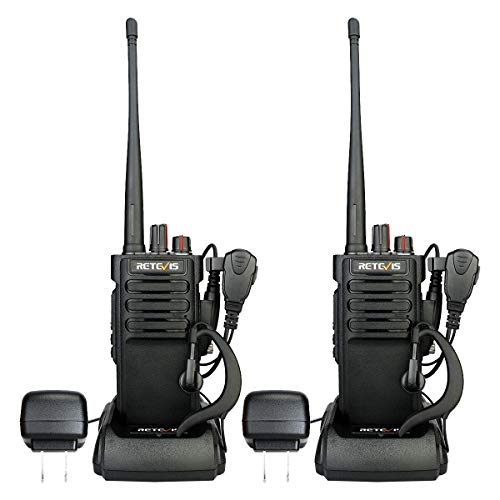
There's something undeniably cool about staying connected, even when you're miles apart. Think about it: whispering secrets to your best friend across the campsite, coordinating a complex search and rescue operation, or simply feeling that reassuring link to loved ones during a road trip. That's the allure of long-range walkie talkies – they offer a tangible connection in a world increasingly dominated by digital interfaces. It's a bit like having your own personal communication network, free from monthly bills and relying on the trusty power of radio waves.
But beyond the sheer fun factor, long-range walkie talkies serve some incredibly practical purposes. They provide reliable communication in situations where cell service is spotty or non-existent. This is crucial for activities like hiking in remote areas, off-roading adventures, or even boating on the open water. Imagine being miles from civilization and needing to signal for help – a long-range walkie talkie could be a lifesaver.
The benefits extend beyond emergencies, though. Consider families on large properties, like farms or ranches. Walkie talkies allow for instant communication without the need to shout across fields. Construction crews rely on them to coordinate efforts on large job sites. And event organizers use them to manage everything from security to vendor logistics. Essentially, anywhere efficient, off-grid communication is needed, long-range walkie talkies excel.
Must Read
You'll see them used in a variety of ways. Hikers clip them to their backpacks, ready to communicate with their group. Hunters use them for coordinated tracking and safety. And even neighborhood watch groups might employ them for quick alerts and updates. The range of applications is surprisingly broad, highlighting their versatility and usefulness.
So, how can you get the most out of your long-range walkie talkies? Here are a few practical tips. First, antenna placement is key. The higher you position your antenna, the better your range will be. Try to get it above any obstacles like trees or buildings. Second, understand the terrain. Hills and valleys can drastically affect signal propagation. Position yourselves strategically to maximize line of sight. Third, learn about different channels and frequencies. Using the correct channels and understanding interference can significantly improve clarity and range. Some walkie talkies offer privacy codes, which can help minimize unwanted interruptions.
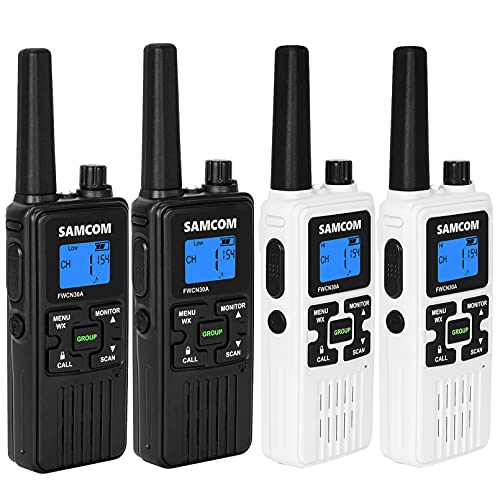
Another important factor is battery life. Always carry extra batteries or a portable power bank, especially for longer trips. Consider investing in rechargeable batteries to reduce waste and save money in the long run. Regularly test your walkie talkies before embarking on any adventure to ensure they are functioning correctly and fully charged. It sounds simple, but it can make a world of difference when you need them most.
Finally, remember to familiarize yourself with local regulations regarding walkie talkie usage. Some frequencies may require licensing, and it's essential to stay within legal limits to avoid any issues. By following these tips, you can unlock the full potential of your long-range walkie talkies and enjoy reliable, off-grid communication for years to come. So, grab your walkie talkies, gather your crew, and get ready to explore – knowing you're always just a button press away from a clear and reliable connection.