Life Line Screening Pros And Cons

Have you ever wondered how those heart-stopping medical dramas on TV seem so, well, heart-stoppingly realistic? Or perhaps you've seen the signs advertising "Life Line Screening" at your local community center and wondered what all the buzz is about? It's become a popular option for proactive health management, promising early detection of potential problems. But like any healthcare choice, it's wise to weigh the pros and cons.
For artists, hobbyists, and even casual learners, Life Line Screening can offer a unique benefit: peace of mind. Think of it as a preemptive health check, freeing up your mental space to focus on your creative pursuits. An artist suffering from undiagnosed hypertension, for example, might experience debilitating headaches impacting their ability to concentrate. Knowing they are healthy can boost confidence and allow them to fully immerse themselves in their craft. Imagine a woodworker whose hand tremors are interfering with their intricate carvings - screening could help identify a treatable condition allowing them to regain their precision.
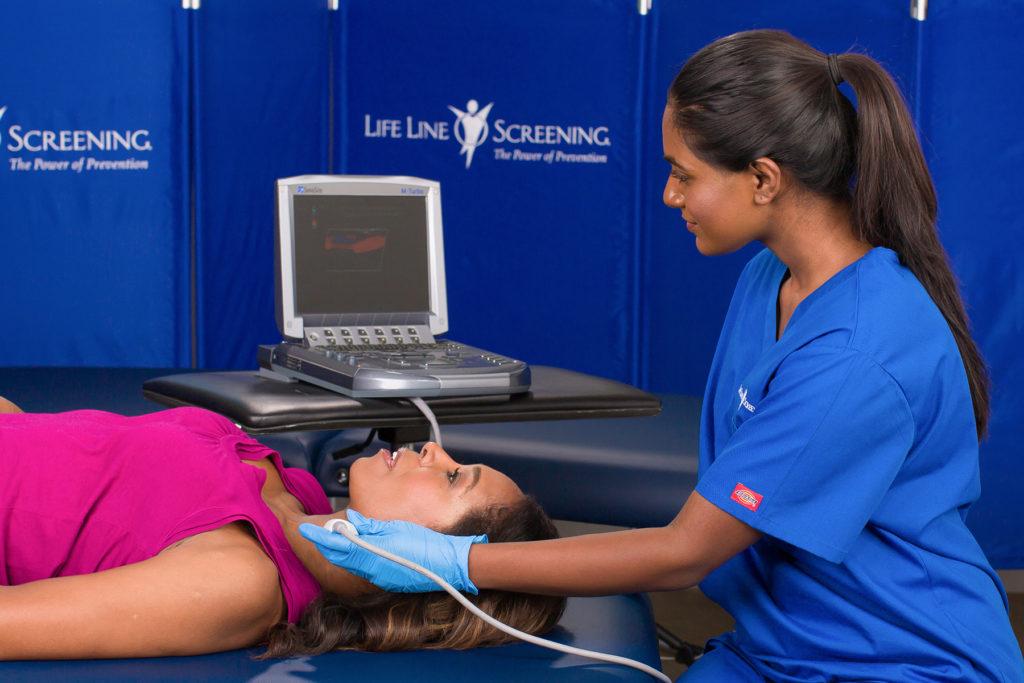
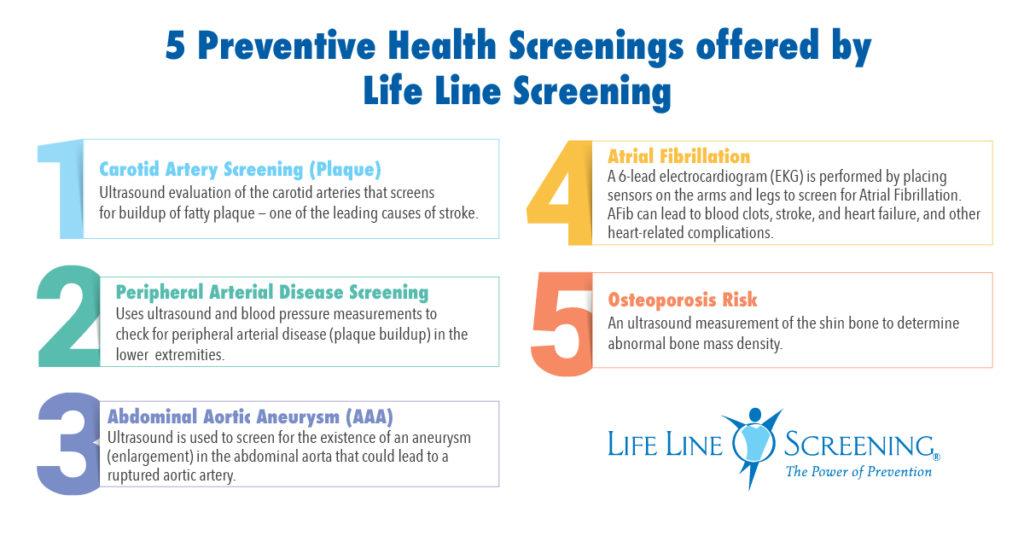
Life Line Screening typically offers a suite of tests, including screening for stroke risk, heart disease, and other vascular diseases. The exact offerings can vary, but often involve ultrasound screenings of arteries, EKGs for heart rhythm, and bone density assessments. Think of the possibilities! A quilter, perhaps worried about their bone density due to years of hunching over their craft, can find out if they need to make adjustments to their posture or diet. A landscape painter, concerned about their circulation due to long hours spent outdoors in varying weather conditions, can gain valuable insight into their vascular health. These proactive steps can empower them to continue their passions for years to come.
Must Read
While Life Line Screening can be appealing, it's important to consider potential downsides. False positives are a possibility, leading to unnecessary anxiety and further testing. Also, the screenings are not a substitute for regular check-ups with your primary care physician. Think of it as supplemental information, not a replacement for established medical care. The costs can also be a factor, as these screenings may not be fully covered by insurance.
Trying similar health awareness approaches at home is definitely possible. Regular blood pressure monitoring is easy and affordable. Practicing mindfulness and meditation can reduce stress, positively impacting cardiovascular health. Focus on a healthy diet rich in fruits and vegetables and incorporate regular exercise into your routine. These lifestyle choices, combined with informed decisions about screenings, can contribute to your overall well-being.
Ultimately, the decision to pursue Life Line Screening is a personal one. The key is to be informed, understand the potential benefits and drawbacks, and discuss it with your doctor. Approach it with a healthy dose of skepticism and a desire to be proactive about your health. And remember, taking care of yourself is an act of creativity in itself, allowing you to enjoy your hobbies and passions for years to come! That’s why prioritizing your well-being is always a win-win, giving you the time and energy to create, learn, and simply enjoy life.