
Is The Burning Bed A True Story
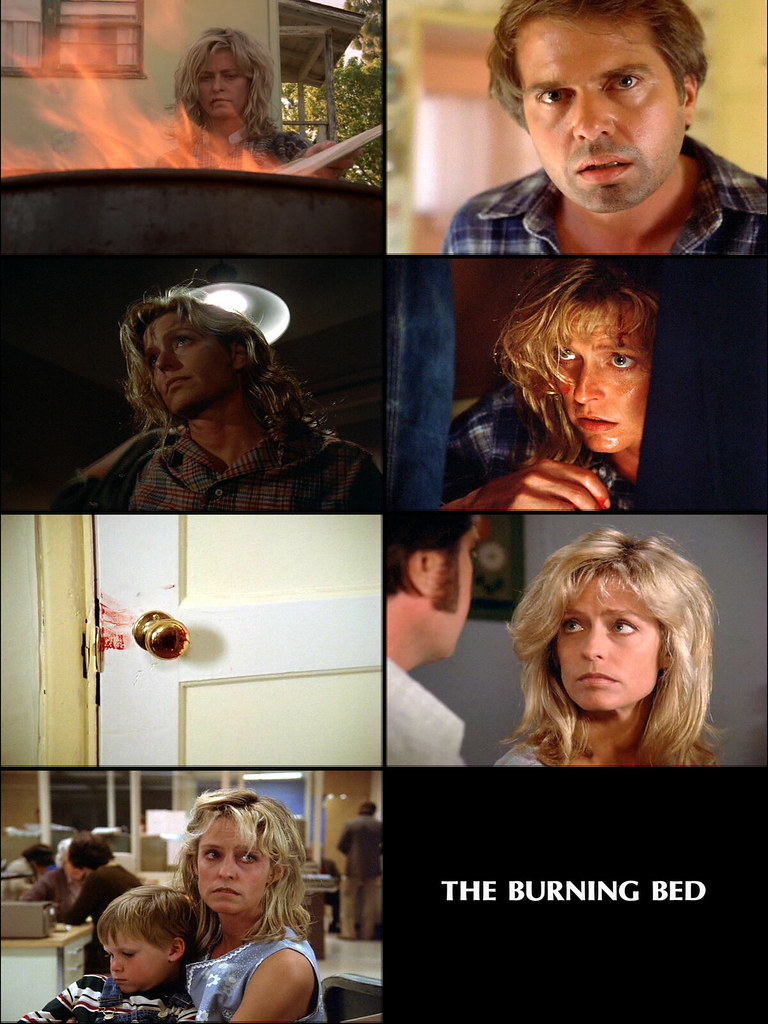
Have you ever stumbled upon a movie, a book, or even a hushed conversation that felt so outrageous, so deeply impactful, that you just had to know if it was real? The 1984 television movie, "The Burning Bed," definitely falls into that category. It's a powerful, disturbing drama about Francine Hughes, a woman who suffered years of horrific abuse at the hands of her husband, James "Mickey" Hughes, and ultimately took a drastic, irreversible action. But the question that lingers in the minds of many viewers is: Is "The Burning Bed" a true story?
Understanding the veracity of stories like "The Burning Bed" is more than just idle curiosity. It helps us grapple with difficult realities, fosters empathy, and can even inform our understanding of the legal and social systems designed to protect vulnerable individuals. Knowing the basis in reality – or lack thereof – allows us to engage with the narrative on a deeper, more meaningful level. It moves beyond simple entertainment and into the realm of social commentary and historical understanding.
The purpose of films like "The Burning Bed," especially those based on real events, is multifaceted. They serve as vehicles for raising awareness about important social issues like domestic violence. By portraying the lived experiences of individuals like Francine Hughes, they personalize statistics and make abstract concepts tangible. They can also act as catalysts for societal change, sparking conversations and prompting action to address systemic problems. Furthermore, they can offer validation and hope to survivors, letting them know they are not alone and that their stories matter.
Must Read
In the case of "The Burning Bed," the film is based on a true story. It's an adaptation of the 1980 book of the same name by Faith McNulty, which meticulously documented the events leading up to Francine Hughes's act of setting her husband on fire while he slept. While the movie, like any dramatization, takes some liberties for narrative effect, the core events, the abuse, the legal battles, and the ultimate verdict, are all rooted in the real-life experiences of Francine Hughes.

The film and the book can be used in educational settings to spark discussions about domestic violence, self-defense, and the complexities of the legal system. In daily life, understanding the reality behind "The Burning Bed" encourages us to be more aware of the signs of abuse, to offer support to those who may be suffering, and to advocate for policies that protect victims. It also prompts us to question societal attitudes that condone or minimize domestic violence.
So, how can you explore this topic further? Start by reading Faith McNulty's book. Compare and contrast it with the movie, noting any differences in portrayal or interpretation. Research the legal and social context of the case, looking into domestic violence laws and attitudes in the 1970s and 80s. Explore contemporary resources for victims of domestic violence to understand how services and support have evolved. Finally, engage in conversations with others about the film, its impact, and its enduring relevance. By critically examining the narrative and its historical context, you can gain a deeper understanding of the complexities of domestic violence and the importance of seeking justice and support.


