
Is Salt Water Good For Putting Out Fires
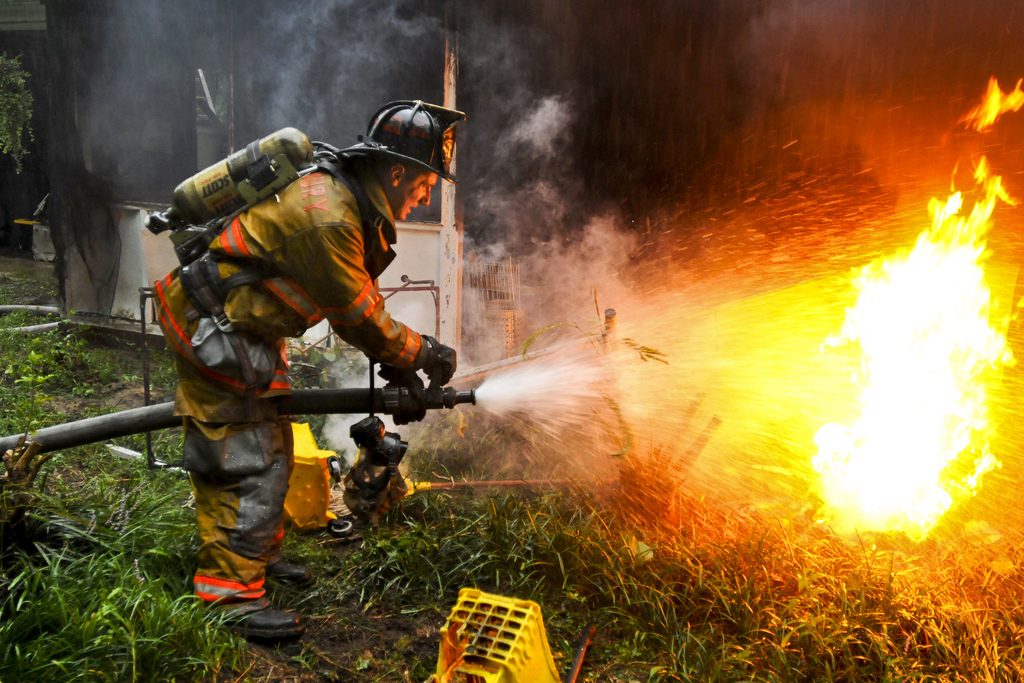
Imagine a big, roaring fire. It's a scary sight, isn't it?
Our first thought, our immediate instinct, is often to find water. Lots of it!
But what if you're near the ocean? What if the only water available is salt water?
Must Read
This is where things get really fascinating and not quite as simple as they seem.
You might think, "Water is water! Fire doesn't care if it's salty or not!"
And you wouldn't be entirely wrong, but there's a wonderful, intriguing twist to this question.
It’s like a surprising secret that professional firefighters know, and it makes you look at water in a whole new way.
The Great Water Debate: Salty vs. Fresh
When flames are dancing, any water can feel like a superhero. It cools things down.
It helps cut off the oxygen that fires need to breathe. That's the basic science.
So, yes, salt water absolutely can put out a fire. It's still H2O, after all.
It has that fantastic cooling power. It can smother the hungry flames.
But just because it can work, doesn't mean it's always the best idea.
This is where our everyday understanding bumps into some really cool, real-world challenges.
It’s a fun puzzle to think about, isn't it?
What's the Catch with Salt Water?
Think about what salt does to metal. Have you ever seen a car that’s been near the ocean for a long time?
It often looks a bit rusty, right? That's because of corrosion.
And firefighting equipment, like hoses and pumps, are often made of metal.
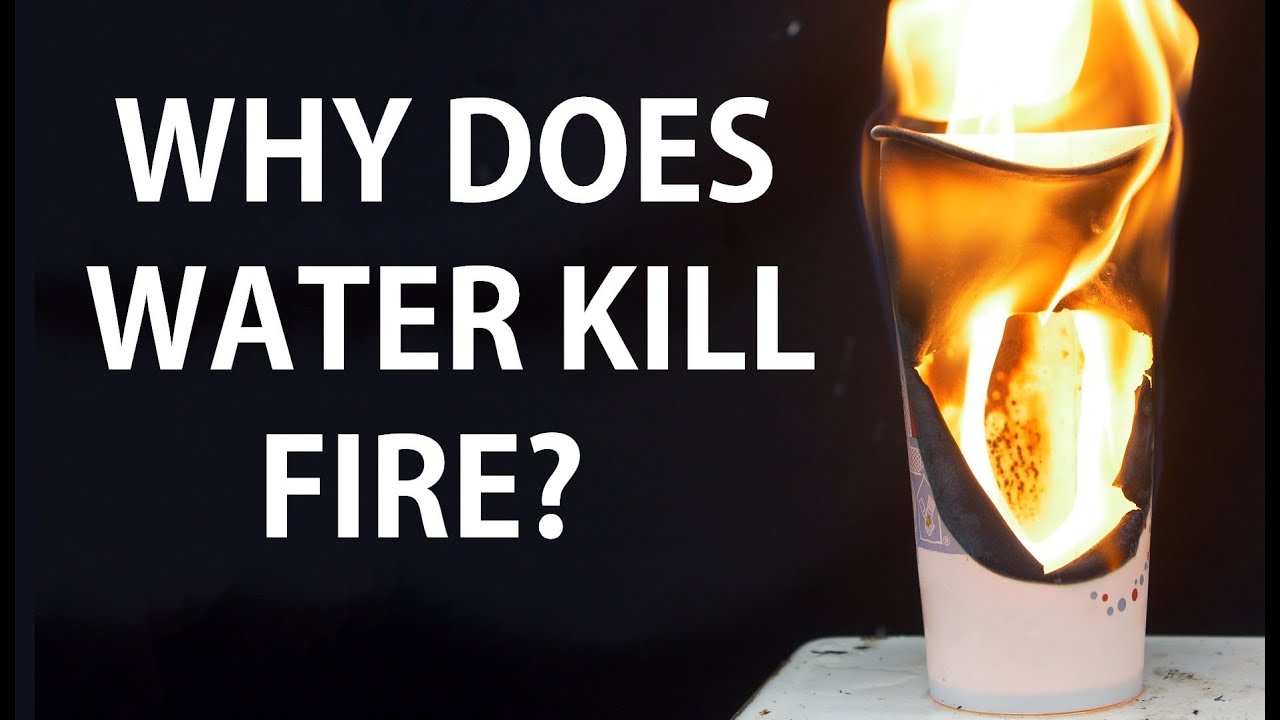
Using salt water can really damage these vital tools over time.
It’s a big deal for fire departments, especially those near coastal areas.
They have to spend a lot more time cleaning and maintaining their gear.
Imagine battling a huge blaze, and then your expensive equipment gets eaten away!
That's a hidden cost and challenge nobody wants.
"Salt water can put out flames, but it can also wage war on your equipment."
The Shocking Truth About Electrical Fires
Now, here's a truly dramatic and important point: electricity.
You know that water and electricity don't mix, generally speaking. It can be very dangerous.
Well, plain old tap water isn't a fantastic conductor of electricity on its own.
But salt water? Oh boy, that's a different story altogether!
The salt in the water makes it a fantastic pathway for electricity to travel.
So, if there's an electrical fire, using salt water can be incredibly risky.
It could cause severe shocks to the firefighters themselves.
It could also make the electrical problem even worse, sparking more fires.

This surprising fact makes you realize how much science goes into firefighting decisions.
It's not just about pointing a hose; it's about smart choices!
Environmental Aftermath: A Salty Mess
Think about where the water goes after it hits the fire.
It runs off, right? It might soak into the ground, or flow into drains.
If you're using a lot of salt water, you're essentially dumping salt onto the land.
This can be really bad for plants, crops, and the soil itself.
It can kill greenery and make the soil unusable for a long time.
Freshwater sources, like rivers or lakes nearby, could also become contaminated.
So, while putting out the fire is priority one, firefighters also think about the future.
They consider the bigger picture, and that's incredibly special.
The Residue: A Sticky Situation
After a fire, there's always a cleanup. Ash, debris, smoke damage.
But when you use salt water, you add another layer to the mess: salt residue.
Everything touched by the salty water will be left with a thin, crusty layer of salt.
This means more damage to buildings, furniture, and anything not consumed by the fire.

It's like a salty blanket over everything, requiring extra cleaning and repairs.
This hidden problem shows just how many factors go into firefighting strategies.
It's not just about extinguishing the flames; it's about minimizing overall harm.
When Salt Water Gets Its Moment to Shine
So, with all these downsides, do firefighters ever use salt water?
Absolutely! Especially in situations where there isn't really another choice.
Think about a fire on a ship out at sea. What's the closest, most abundant water source?
The ocean, of course! You can't exactly carry thousands of gallons of fresh water on a ship.
Also, very large-scale fires right on the coast might sometimes need ocean water.
When a huge blaze threatens a whole town, and fresh water supplies are limited, desperate times call for desperate measures.
In these cases, the immediate need to stop the fire outweighs the potential long-term issues.
It's all about weighing the pros and cons in a high-pressure situation.
This decision-making process is truly heroic and smart.
Why This Is So Entertaining and Special
This question about salt water isn't just a simple yes or no.
It opens up a whole world of unexpected problems and clever solutions.

It’s entertaining because it challenges our common sense, right?
You think you know the answer, and then BAM! A whole list of considerations pops up.
It makes you appreciate the incredible knowledge and quick thinking of firefighters.
They aren't just brave; they're also scientists and strategists.
Every time they tackle a fire, they're making complex decisions in moments.
It’s special because it shows how interconnected everything is.
One simple choice, like which water to use, can have so many ripple effects.
It inspires us to look deeper, to question things we take for granted.
Next time you see a fire truck, you'll have a new appreciation for their amazing work.
You'll think about the type of fire, the equipment, and even the environmental impact.
The world of firefighting is full of these fascinating details.
It makes you want to learn more, doesn't it?
It's a reminder that even the simplest questions can have the most intriguing answers.
So, is salt water good for putting out fires?
The answer is a resounding, "It depends!" And that's the fun part.