
Is Epsom Salt And Sea Salt The Same
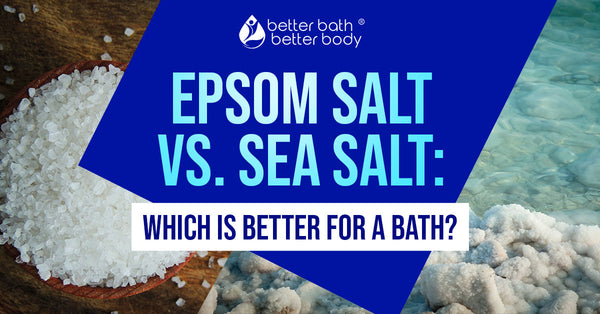
Okay, let's talk salt. Not just any salt, but the mysterious world of Epsom and sea salt. Are they the same? Short answer: Nope! But the long answer? Way more fun.
Epsom Salt: The Fake-Out Artist
First, Epsom salt. Here's the kicker: it's not actually salt. Mind. Blown. It's a mineral compound – magnesium sulfate. Sounds way less beachy, right?
Think of it as salt's quirky cousin. The one who shows up to family gatherings but insists on talking about their latest detox cleanse. Which, ironically, Epsom salt is good for! We'll get there.
Must Read
Historically, it was discovered in Epsom, England. Hence, the name. Makes sense, doesn't it? Imagine if it was discovered in Toledo. Toledo Salt just doesn't have the same ring.
Here's a weird fact: some people actually eat Epsom salt. Don't do that! It's a laxative. Seriously. You've been warned. Stick to soaking.
So, what's Epsom salt good for? Lots! Soaking sore muscles, reducing swelling, and even exfoliating skin. It's basically a spa day in a bag. Plus, some gardeners swear it helps their plants. Talk about multitasking!
Sea Salt: Straight from the Ocean's Heart
Now, let's dive into sea salt. This stuff is the real deal. It comes directly from evaporated seawater. Pretty straightforward, huh?
Sea salt contains minerals like sodium, potassium, and magnesium (yes, magnesium!). These minerals give it a more complex flavor than regular table salt. Think of it as the gourmet salt of the sea.
Did you know the color and flavor of sea salt can vary depending on where it's harvested? French grey sea salt (sel gris) is known for its delicate flavor, while Hawaiian black lava salt gets its color from volcanic charcoal. Fancy!
Ever seen those big, flaky sea salt crystals? Those are sometimes called fleur de sel, which translates to "flower of salt." How romantic! They're typically hand-harvested and are super prized by chefs.

Sea salt is your go-to for flavoring food. Sprinkling it on roasted vegetables, grilled meats, or even chocolate chip cookies elevates the taste to a whole new level. Salty-sweet perfection!
But wait, there's more! Some people also use sea salt in beauty treatments. Exfoliating scrubs, salt baths… it's all about that ocean vibe. Just don't go overboard – too much salt can dry out your skin.
The Great Salt Showdown: Differences & Similarities
Okay, let's break it down. Epsom salt and sea salt are both crystalline substances, but that's pretty much where the similarities end.
Chemically, they're totally different. Epsom salt is magnesium sulfate, while sea salt is primarily sodium chloride with trace minerals.

Functionally, they have distinct uses. Epsom salt is more for soaking and relaxation, while sea salt is primarily for flavoring food.
Appearance-wise, they can look similar. But if you taste them… BIG difference! Epsom salt is bitter and not something you'd want to sprinkle on your fries. Trust me on this one.
Think of it this way: Epsom salt is the chill cousin who likes to take long baths, while sea salt is the foodie friend who's always experimenting with new recipes.
Why Should You Care? (Besides Being Super Interesting, Of Course!)
So why bother knowing the difference? Well, for starters, you wouldn't want to accidentally season your dinner with Epsom salt! That would be...unpleasant.

Understanding the properties of each allows you to use them effectively. Need muscle relief? Reach for Epsom salt. Want to enhance the flavor of your dish? Sea salt is your friend.
Plus, it's just cool to know! You can casually drop this knowledge at your next dinner party and impress everyone with your salt expertise. Just try not to sound too nerdy.
Ultimately, both Epsom salt and sea salt have their place in the world. They're both fascinating substances with unique properties and uses. And honestly, learning about them is just plain fun.
Now go forth and salt responsibly! And maybe take a bath while you're at it. You deserve it.