
Individual Vs Dual Sports And The Components Of Each
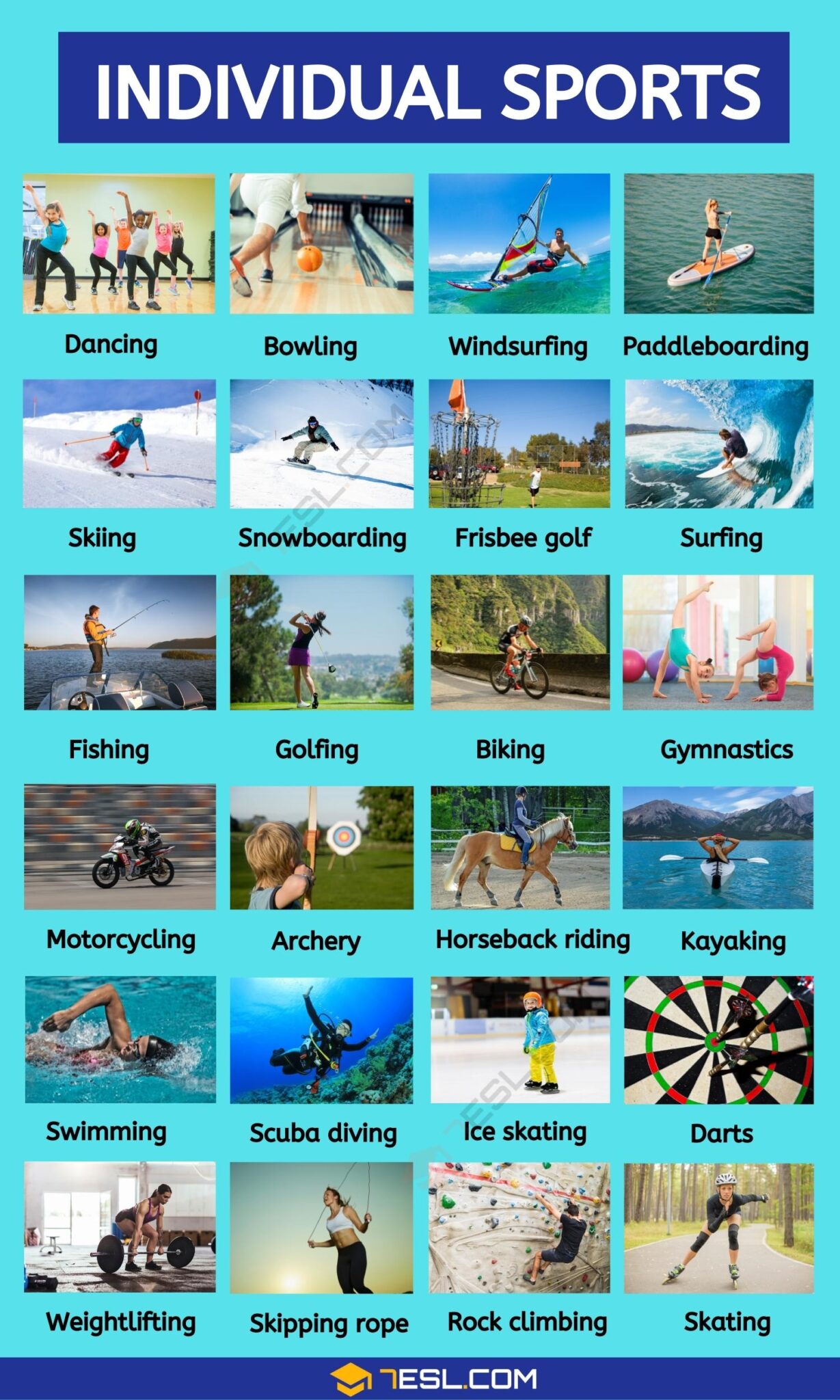
Ever found yourself scrolling through endless workout routines, wondering if you should join a CrossFit box or finally conquer that 5k you've been putting off? The world of sports is vast and varied, but a fundamental choice often boils down to this: individual versus dual sports. Which path aligns with your personality, goals, and, let's be honest, your tolerance for teamwork?
Going Solo: The Allure of Individual Sports
Individual sports are all about you. You're the engine, the strategist, and the only one responsible for the outcome. Think of the serene focus of a long-distance runner, the precise movements of a gymnast, or the strategic brilliance of a chess player (yes, chess is a sport!).
Key Components:
Must Read
- Self-Reliance: You're in charge. From training schedules to performance on the day, it's all on your shoulders.
- Discipline: No one's going to nag you to hit the gym. Success hinges on your own commitment and drive.
- Mental Fortitude: Individual sports often demand intense mental toughness. Overcoming obstacles and pushing past perceived limits are key. Think of Michael Jordan's "Flu Game" – pure mental grit.
- Personalized Training: You can tailor your training to your specific strengths and weaknesses. No need to compromise with a partner's needs.
Think About: Do you thrive in independent settings? Are you comfortable with taking full responsibility for your successes and failures? Are you someone who prefers setting your own pace and schedule? If so, an individual sport might be your perfect match.
The Power of Two: Diving into Dual Sports
Dual sports offer a fascinating blend of individual skill and teamwork. You're still accountable for your performance, but you're also reliant on a partner to achieve a common goal. Think tennis doubles, beach volleyball, or even ballroom dancing (yes, that's a sport too!).

Key Components:
- Communication: Effective communication is paramount. You need to be able to strategize, support, and provide feedback to your partner.
- Trust: You need to trust your partner's abilities and commitment. A strong partnership requires mutual respect and belief in each other.
- Compromise: Be prepared to compromise. You might have different strengths, weaknesses, and training preferences. Finding a balance is essential.
- Shared Responsibility: While you're still responsible for your individual performance, you share the burden of success and failure with your partner.
Fun Fact: Did you know that beach volleyball originated in California in the 1920s? It's a perfect example of a dual sport that combines athleticism with the laid-back vibes of summer.

Think About: Do you enjoy collaborating with others? Are you a good communicator and listener? Are you comfortable sharing the spotlight and accepting feedback? If so, a dual sport might be right up your alley.
Finding Your Fit: It's Not Always Black and White
The lines between individual and dual sports can sometimes blur. For example, swimming is generally considered an individual sport, but relay races require teamwork and coordination. Ultimately, the best choice depends on your personal preferences and goals.

Practical Tips:
- Try Before You Commit: Take introductory classes or try out different sports with friends before making a long-term commitment.
- Consider Your Schedule: Individual sports often offer more flexibility in terms of training schedules.
- Think About Your Budget: Some sports require expensive equipment or coaching.
- Most Importantly: Choose something you genuinely enjoy! If you're having fun, you're more likely to stick with it.
The influence of cultural background on sports choices shouldn't be overlooked. For example, in many Latin American countries, soccer is practically a religion, fostering a strong sense of teamwork and community. In contrast, individual sports like mountaineering might appeal to those drawn to solitude and self-discovery, qualities often associated with certain personality types.
The Takeaway: Sports and Life
Whether you choose the solitary path of an individual sport or the collaborative spirit of a dual sport, the lessons you learn extend far beyond the playing field. Discipline, resilience, communication, and trust – these are all valuable skills that can help you navigate the challenges and opportunities of daily life. So, find your passion, embrace the challenge, and enjoy the ride. After all, life, like a good sport, is all about how you play the game.
