I Don't Feel Safe At Home
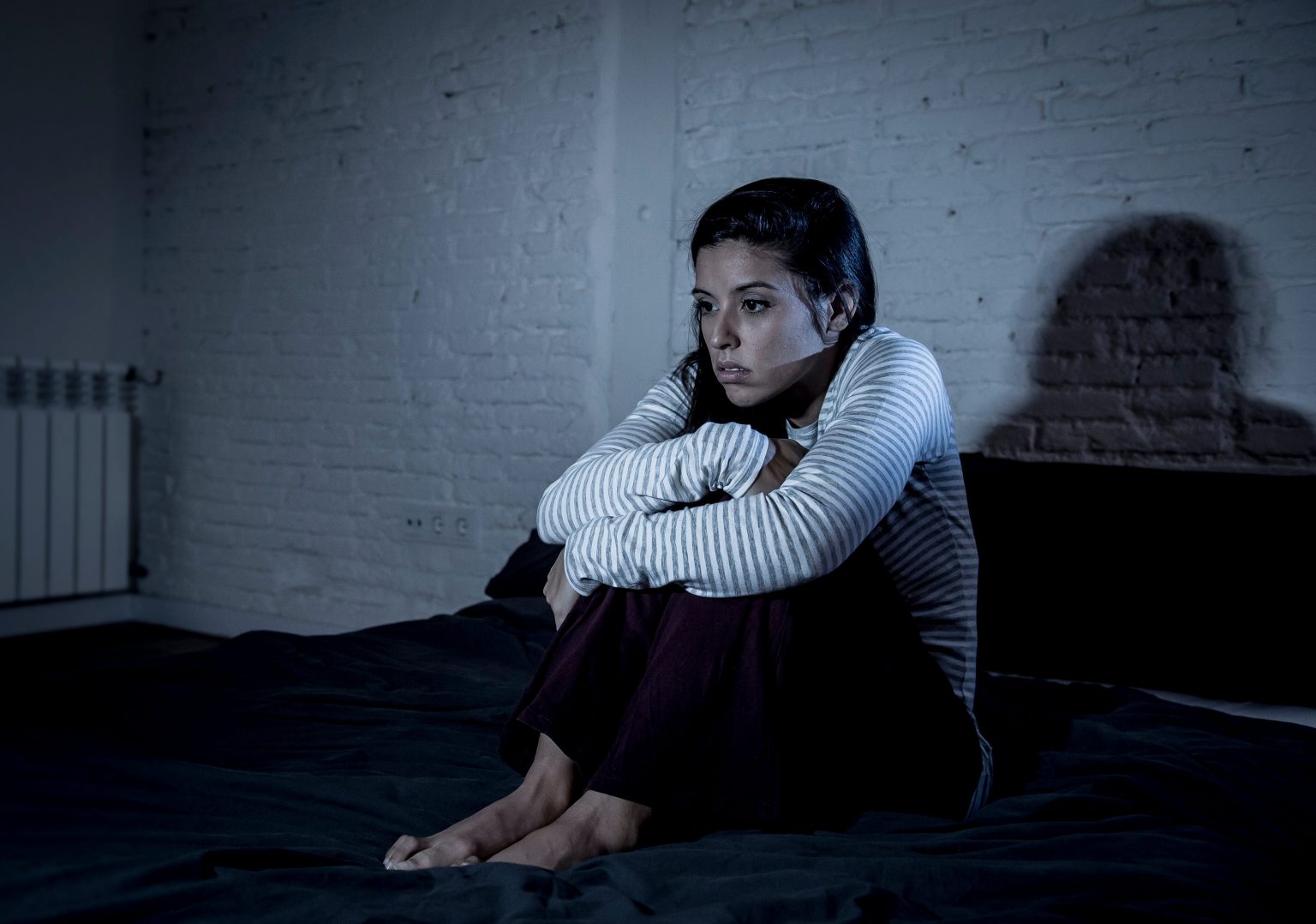
Have you ever stopped to think about what makes a place truly feel like home? It’s a fascinating question, isn't it? We often associate "home" with comfort, sanctuary, and above all, safety. But what happens when that fundamental feeling isn't quite there? Exploring the phrase "I Don't Feel Safe At Home" isn't about dwelling on negativity; it's about peeling back a layer of a deeply human experience, understanding its nuances, and ultimately, building a more empathetic world. It's surprisingly insightful to ponder, revealing much about our innate needs and how we interact with our environments and the people in them.
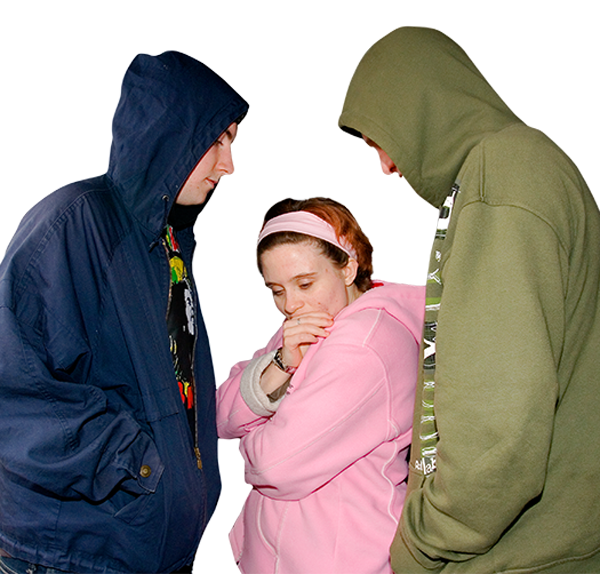
The purpose of considering this sentiment isn't to create alarm, but to foster awareness and understanding. When someone says, or even just feels, "I Don't Feel Safe At Home," it's a profound statement that goes beyond physical security. It can encompass emotional, psychological, or even financial insecurity within one's living space. The benefits of acknowledging and exploring this are immense: it can lead to stronger, more communicative relationships, help us identify when someone might need support, and empower individuals to seek or create safer environments. It encourages us to look beyond superficial appearances and delve into the deeper well-being of ourselves and those around us.
This isn't just a heavy concept for experts; it plays out in our daily lives and can be integrated into education in meaningful ways. In schools, lessons on healthy relationships or personal well-being might use scenarios to discuss what makes a home feel safe – or unsafe. Literature classes could analyze characters' experiences of home and belonging, understanding their sense of security. In daily life, this understanding allows us to be more attentive friends, family members, or colleagues. If a friend suddenly becomes withdrawn or seems anxious about returning home, our awareness of this deeper meaning can prompt us to listen without judgment and offer support, rather than dismiss their feelings. It helps us recognize that a "home" isn't just four walls and a roof; it's a complex emotional landscape.
Must Read
So, how can we gently explore this idea in our own lives? Start with self-reflection. Ask yourself: What does "safe" truly mean to me in my home? Is it about locked doors, or is it more about open communication and mutual respect? Try creating a small "safe corner" in your own space – a place where you can relax without interruption, perhaps with a favorite book or a warm drink. Observe how it makes you feel. Another simple tip is to practice active listening. If someone close to you ever expresses unease about their home situation, resist the urge to offer quick solutions. Instead, listen with an open heart and validate their feelings. You could also learn about local community resources, like support hotlines or neighborhood watch programs, which contribute to a broader sense of safety and might be helpful to know. Understanding "I Don't Feel Safe At Home" isn't about finding definitive answers, but about cultivating a curious, empathetic outlook that helps us all build more secure and supportive worlds.