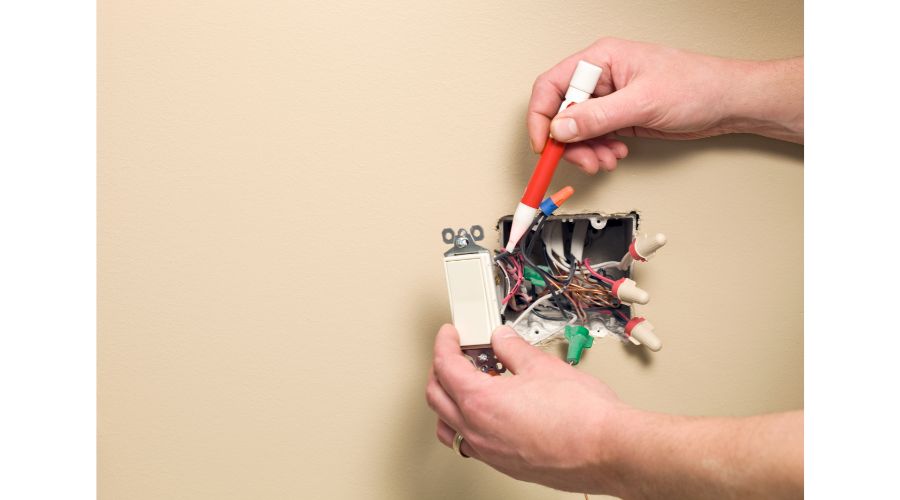
How To Use Non Contact Voltage Tester
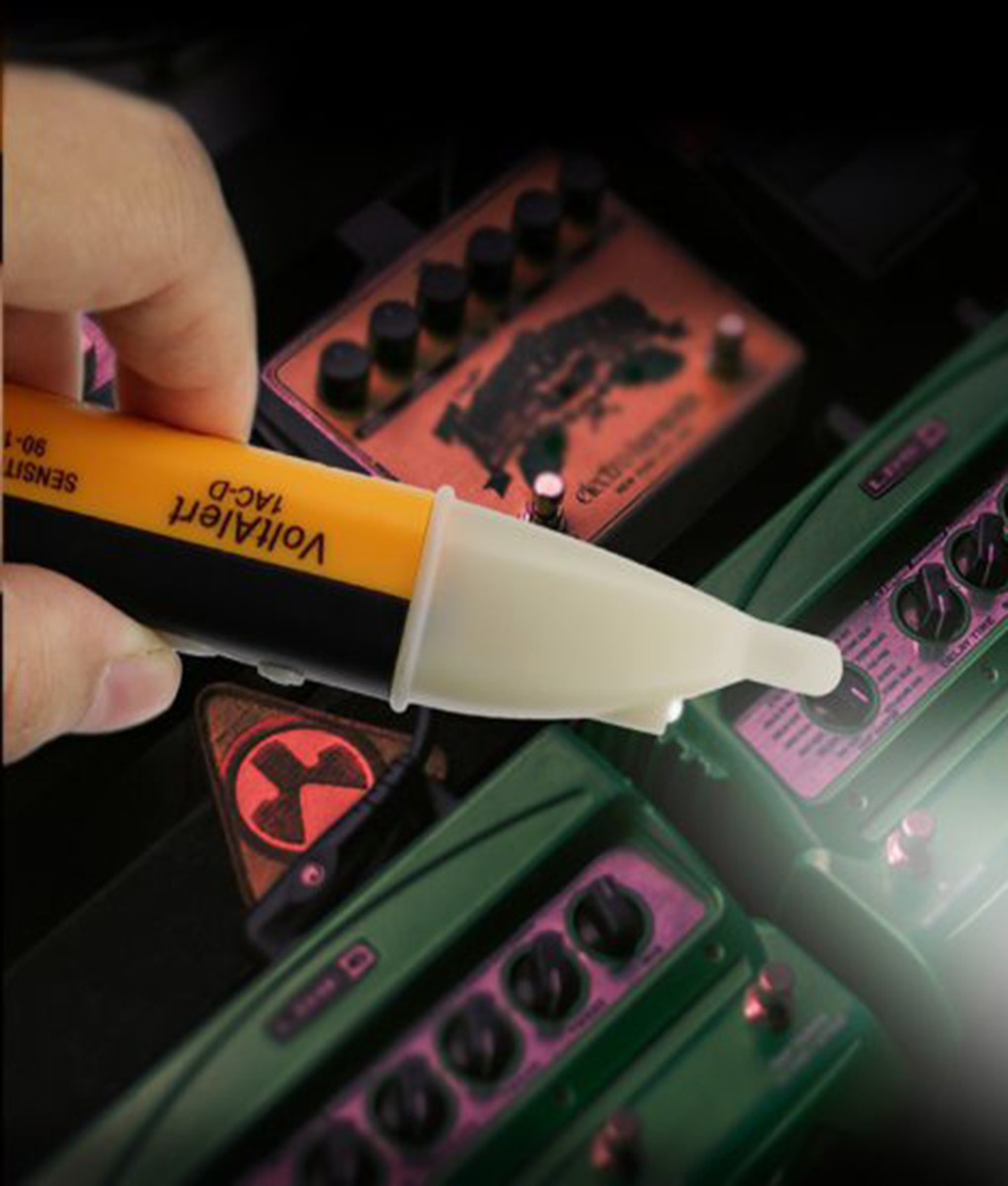
Let's be honest, electricity can be a little scary. But dealing with it doesn't have to be a white-knuckle experience! That's where the humble, yet mighty, non-contact voltage tester (NCVT) comes in. Think of it as a superhero gadget for your home, allowing you to sniff out live wires without ever having to touch them. Sounds cool, right? It is!
So, what's the big deal? The NCVT is basically a life-saver. Its primary purpose is to detect the presence of AC voltage without needing physical contact with the conductor. This means you can safely check if a wire is live before you even think about touching it. For beginners dipping their toes into simple electrical repairs, it's an absolute must-have. No more guessing games or hoping for the best! It provides peace of mind and a solid layer of protection.
For families, especially those with curious children, an NCVT is an excellent safety tool. You can quickly check outlets and extension cords for potential hazards before little fingers (or paws!) get too close. Imagine you're hanging up holiday lights and want to make sure the extension cord isn't damaged. A quick sweep with the NCVT will tell you if it's safe to use. It’s all about creating a safer home environment.
Must Read
And for the hobbyists, DIY enthusiasts, and makers out there, the NCVT is indispensable. Whether you're building your own electronics projects, rewiring vintage lamps, or installing new light fixtures, knowing where the power is (or isn't!) is crucial. It eliminates guesswork and helps you avoid accidental shocks and short circuits. Accurate detection is key to successful project completion.

Using an NCVT is incredibly straightforward. Here’s how to get started:
- Read the manual: Seriously! Each model might have slight variations in its operation.
- Install batteries: Make sure they're fresh. Low batteries can lead to inaccurate readings.
- Test it on a known live circuit: Before using it on something questionable, verify that it's working correctly on a functioning outlet or wire.
- Hold it near the wire or device: Most NCVTs have a probe tip. Get it close to the area you want to test.
- Observe the indicator: If voltage is detected, the NCVT will usually light up, beep, or vibrate. The specific indication will vary depending on the model.
- Remember to test both the hot and neutral wires: In some cases, the neutral wire might also carry voltage due to wiring issues.
There are also different types of NCVTs. Some have adjustable sensitivity levels, allowing you to detect voltage through walls or other materials. Others come with built-in flashlights, making them useful in dimly lit areas. Explore the options and choose one that best suits your needs.

Practical Tip: Always double-check your readings. Just because an NCVT doesn't detect voltage doesn't necessarily mean the circuit is dead. There might be other factors at play. Always use caution and follow proper electrical safety procedures. It's better to be safe than sorry!
Ultimately, using an NCVT is about taking control of your electrical safety. It empowers you to work with electricity confidently and responsibly. It’s a small tool that provides a massive boost to peace of mind. So, go ahead, grab an NCVT and start exploring the world of electricity with a newfound sense of safety and confidence! You might even find it… dare I say… fun?