How To Transfer Butane From One Torch To Another Torch
Alright, friend. Let’s talk butane torches. Whether you’re a creme brûlée aficionado, a DIY enthusiast, or just enjoy the satisfying whoosh of a controlled flame, running out of butane mid-project (or mid-dessert!) is a major buzzkill. So, what do you do when one torch is sputtering its last, and another's brimming with fuel? You transfer that liquid gold, that's what! And it’s easier than perfecting your sourdough starter, promise.
Think of it like this: it's the gas-powered equivalent of giving blood, but instead of saving a life, you’re saving a perfectly good culinary torch or a complex soldering task. We're all about efficiency and sustainability here. Why waste a half-full canister when you can redistribute the wealth?
The Butane Transfer Ballet: A Step-by-Step Guide
First, let's address the elephant in the room: safety. Butane is flammable (duh!), so a little caution goes a long way. Imagine it's like handling a delicate piece of vintage vinyl – respect the grooves (or in this case, the gas) and you'll be fine.
Must Read
- Choose your battleground: Find a well-ventilated area. Think outdoors, or a garage with the door open. Away from open flames, sparks, and your overly curious cat, Mittens.
- Gather your tools: You'll need both butane torches, of course. A small screwdriver or similar pointed tool can be helpful, and some folks swear by wearing gloves (nitrile are best) for extra grip. And maybe a damp cloth in case of minor spillage.
- Depressurize like a pro: This is crucial. Before you even think about transferring, you need to bleed any excess pressure from both torches. Most torches have a small valve near the refill port. Use your screwdriver (or whatever tool you have) to gently press it. You'll hear a hissing sound – that's the pressure releasing. Do this in short bursts until the hissing stops. Think of it as burping the torches after a big meal.
- The "Kissing" Method (aka Direct Transfer): This is the most common way. Identify the refill ports on both torches. Usually, they're at the bottom. Align the two ports carefully. Sometimes, you need to gently wiggle them to get a good seal. Now, invert the torch with the fuller canister on top of the receiving torch. Gravity is your friend here. Press them firmly together. You should hear a gentle hissing as the butane transfers.
- Patience is a virtue (and a full torch): Let the transfer happen slowly. Don't force it. After about 10-20 seconds (depending on the size of the torches), separate them and check the fuel levels (if your torches have a viewing window). Repeat as needed until you're satisfied.
- The Cleanup Crew: Wipe up any spills with your damp cloth. Give your torches a once-over to make sure everything's in order.
Pro-Tip: Cooler temperatures can help with the transfer process. Placing the donor torch in the fridge (not freezer!) for a few minutes before the transfer can improve the flow of butane. It’s like chilling a bottle of bubbly before a celebration.
Avoid Overfilling: This is a big one! Overfilling can be dangerous. Leave a little space at the top of the receiving torch to allow for expansion. Think of it like leaving room for the foam on your cappuccino.
Troubleshooting Tips & Tricks
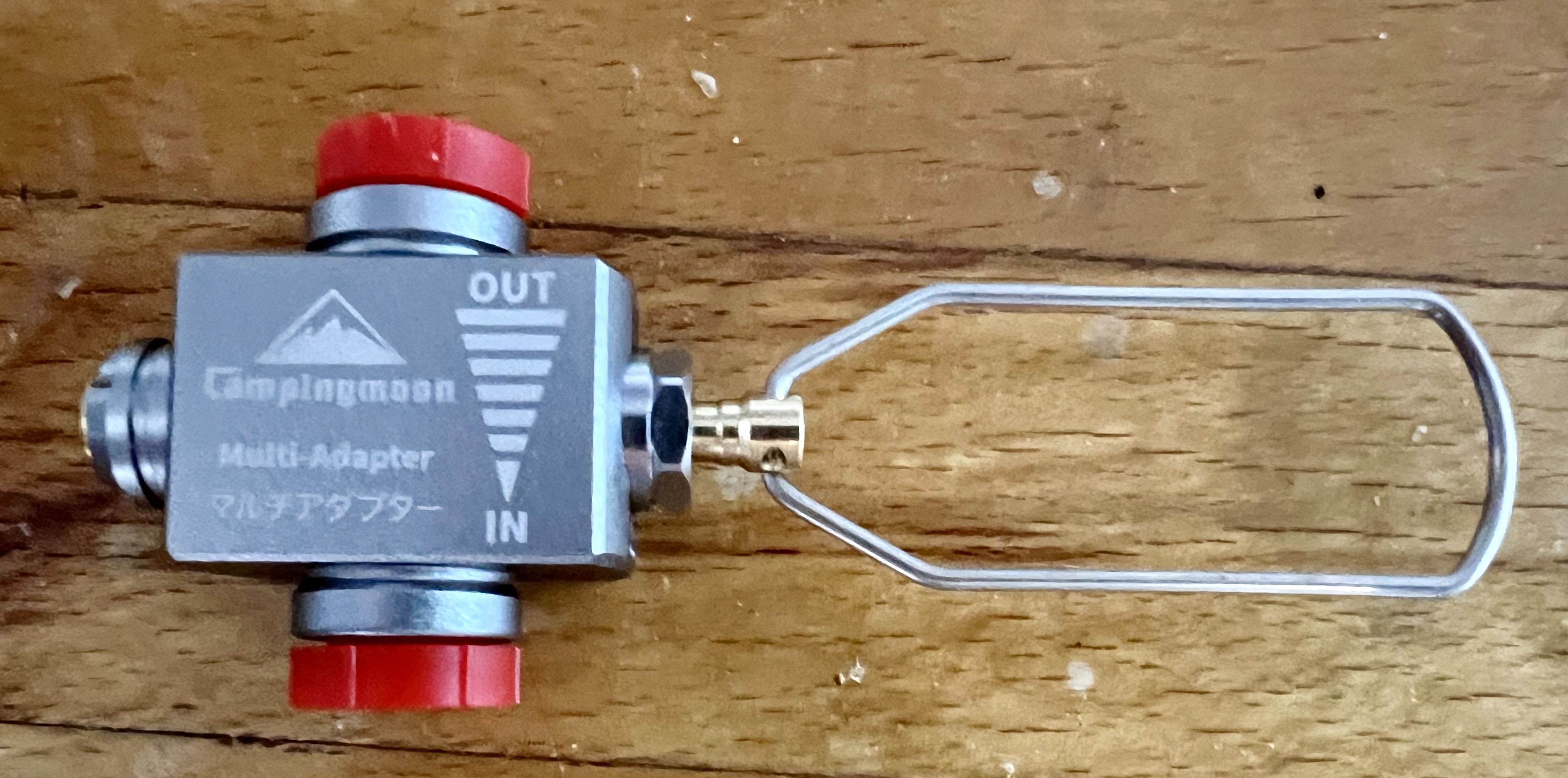
The "Nozzle Adapter" Hack: Some torches have different refill port sizes. If the "kissing" method isn't working, check if you need a nozzle adapter. These little plastic pieces come with many butane canisters and can bridge the gap between incompatible ports.
The "Inverted Canister" Trick: For stubborn transfers, try inverting the canister directly onto the receiving torch’s refill port (if it’s compatible). This utilizes gravity to push the butane down. But be extra careful here – ensure a secure connection and work in a well-ventilated area.
Still not working? The receiving torch’s valve might be blocked. Try gently cleaning it with a compressed air duster or a small pin.
Butane Zen: A Moment of Reflection
Transferring butane isn't just about saving fuel; it's about resourcefulness, problem-solving, and a little bit of self-reliance. It’s a small act, but it reflects a larger mindset of making the most of what you have. In a world of disposable everything, taking the time to mend, refill, and reuse feels strangely empowering. It’s like mastering the art of the perfectly flipped pancake – a simple skill that brings a quiet sense of accomplishment. And that, my friends, is a feeling worth igniting.