How To Test Carbon Monoxide Detector

Alright, let's talk about carbon monoxide detectors. We all know they're important – they're those unassuming little gadgets guarding our homes against a truly sneaky adversary. But let's be real, how many of us actually remember to test them regularly? Probably fewer than those who manage to keep their houseplants alive. No judgment here! Think of this as your friendly nudge, a quick, breezy guide to ensuring your silent guardian is always on duty, without a hint of drama.
Carbon monoxide, often dubbed the "silent killer," is truly insidious because it’s odorless, colorless, and tasteless. It’s like a supervillain that operates completely incognito. Your detector? That’s your home’s personal superhero, ready to sound the alarm. Testing it isn't just a chore; it’s a quick affirmation of your family's safety and your peace of mind. Think of it as a little wellness check for your house, like giving your smart speaker a gentle "Are you still there?"
The Big Test: Push the Button!
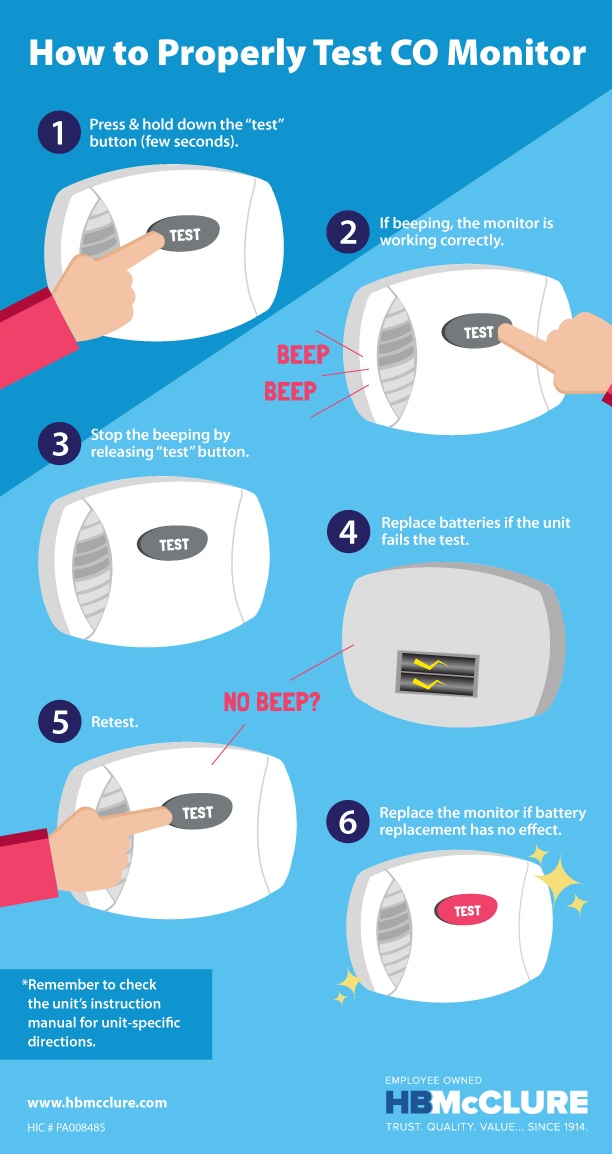
This is where it gets really simple. Most residential CO detectors come with a test button. It’s usually clearly labeled. Find it, give it a firm press, and hold it down for a few seconds. What should happen next?
Must Read
- You'll hear a series of loud, ear-splitting beeps. This isn't just noise; it’s the detector confirming its alarm system is functional. It's meant to be startling, so you know it’s working.
- It might beep a few times, pause, and then beep again. Different models have different patterns, but the key is that it makes a distinct, loud sound.
- If your detector has a digital display, you might see some numbers or an "ERROR" message during the test, which should then clear.
Think of it like checking your car's horn. You press it, it blares, and you know it’s ready for that unexpected traffic situation. Easy, right?
When to Test & What to Expect
Manufacturers generally recommend testing your CO detector monthly. You could tie it to a regular habit: maybe the first Sunday of every month, or when you pay your internet bill. Whatever works for your modern, busy life!

You might also hear different types of beeps from your detector, and it's good to know the difference:
- Loud, continuous alarm: This means potential CO presence. Evacuate immediately!
- Short, intermittent chirps (e.g., every 30-60 seconds): This usually signals a low battery. Time for a fresh set! Just like your phone begging for a charger.
- A specific pattern of chirps (e.g., five chirps every minute): This often means the unit has reached its end-of-life and needs to be replaced. Yes, even gadgets have expiration dates, typically 5-7 years for CO detectors. Check the back of your unit for the manufacturing or expiry date!
Don't fall for the old myth of using a lit candle or car exhaust to "test" your detector. That's a definite no-go for safety reasons. Stick to the button – it's designed to simulate the internal components without actual danger.

What if it Fails? Or Alarms for Real?
If you press the test button and hear nothing, or just a feeble peep, your detector isn't doing its job. First, try replacing the batteries if it’s a battery-powered unit. If that doesn't work, it’s time for a new detector. No second chances when it comes to safety!
And if the alarm ever goes off for real (the loud, continuous one), remember these critical steps: get everyone out of the house immediately, including pets. Once outside, call 911 or your local fire department. Do not re-enter until emergency services say it's safe.

Proactive CO-Monitoring Habits
Beyond testing, a few simple habits go a long way:
- Placement is key: Install detectors on every level of your home, especially near sleeping areas. CO detectors typically should be installed on a wall or ceiling. Some even come as plug-in units.
- Battery refresh: Even if they're not chirping, swap out batteries at least once a year. The "Daylight Savings Time" clock change is a popular, easy-to-remember trigger.
- Keep 'em clean: Dust and debris can clog the sensor vents. A quick wipe with a soft cloth or a gentle vacuuming can help keep them clear.
In the grand scheme of things, testing your carbon monoxide detector is a tiny effort with a massive payoff. It’s not just about a gadget; it’s about the peace of mind that comes from knowing your home, your sanctuary, is truly safe. So, take a moment, push that button, and let your silent guardian confirm it's ready for anything. It’s just one more smart step towards a comfortable, confident, and worry-free daily life.