How To Temporarily Paralyze Your Foot

Okay, so picture this: you’re having one of those days, right? Maybe you’re feeling a tad bit lazy, or perhaps you just want to experience something… different. And then a thought pops into your head, out of nowhere: "Man, I wish I could just, like, temporarily turn off my foot." Like a little, personal off-switch. Sound wild? Absolutely! But guess what? It’s totally a thing, and it’s surprisingly easy to do, and completely harmless. We're talking about that classic, slightly clumsy move that leaves your foot feeling like a floppy, uncooperative appendage for a few glorious minutes. Ready to dive in?
First off, let’s be super clear: we’re not talking about anything scary or permanent here. This isn’t some dark magic or a weird medical procedure. This is just good old-fashioned nerve compression. You know, like when your arm falls asleep? Same exact vibe, just for your foot. No need to call a doctor, unless you suddenly develop a craving for hospital food, which, let's be honest, is never a good sign.
Why on Earth Would You Want To Do This?
That’s a fair question, my friend! And honestly, the reasons are as varied as they are ridiculous. Maybe you want to win a very specific, niche parlor trick contest. Perhaps you're trying to avoid doing the dishes by dramatically declaring, "Alas, my foot is but a lifeless slab! How can I possibly scour these plates?!" (Though, let's be real, that excuse probably won't fly with anyone over the age of six). Or, maybe you're just genuinely curious. Like, really curious. No judgment here, because let's face it, we all have our quirks.
Must Read
The Super Scientific (But Not Really) Method
Alright, let’s get down to brass tacks. The secret sauce here is all about putting pressure on a specific nerve, usually the peroneal nerve. Don’t worry about memorizing that name unless you plan on impressing future dinner guests with anatomical jargon. Just know it’s one of the main wires that sends signals to and from your foot. When you squish it for a bit, it gets grumpy, stops communicating effectively, and your foot basically takes a little nap.
Step 1: Find Your Happy (or Unhappy) Place
You’ll want to be sitting. Preferably somewhere comfy, like on a couch, or maybe on the floor if you’re feeling adventurous. The key is to find a position where you can put some sustained pressure on the side of your knee or just below it. Think about how you sometimes sit cross-legged, or how your leg might get wedged in a weird way when you're sprawling on the sofa. That's the sweet spot we're aiming for.

The classic move? Sit on one leg, letting your body weight press down on the calf or side of the knee of the other leg. You can also try crossing your legs really tightly, so one shin is pressing hard against the other. Basically, you want to create a little chokehold for that nerve. Poor little guy.
Step 2: Patience, Young Grasshopper
This isn't an instant gratification kind of thing. You’ll need to hold that position for a few minutes. We're talking anywhere from 5 to 15 minutes, depending on your body, the pressure, and how quickly your nerves decide to go on strike. You'll start to feel it. First, a slight tingling, then maybe a bit of numbness. It’s like your foot is slowly fading out of existence, one sensation at a time.

Keep the pressure on. You might even feel a slight warmth as the blood flow is restricted a tiny bit, but mostly it's that weird, detached feeling taking over. Embrace it! This is part of the journey!
Step 3: The Big Reveal!
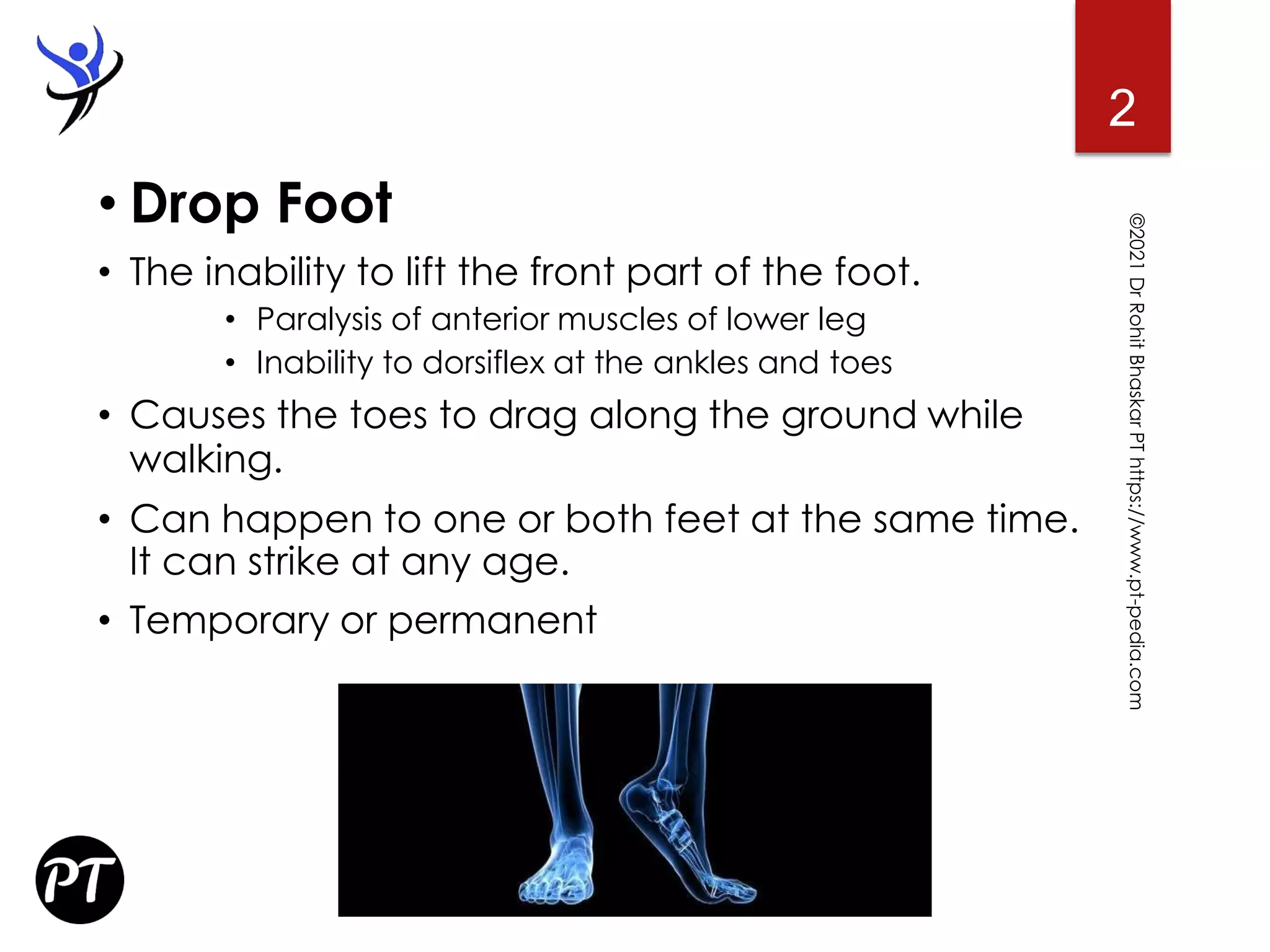
Once your foot feels like a complete stranger – heavy, numb, and utterly unresponsive – gently try to move it. And behold! It probably won't listen! You'll try to wiggle your toes, and… nothing. Or maybe just a pathetic, delayed twitch. It’s a truly bizarre sensation, like your brain is sending commands, but the Wi-Fi signal to your foot has completely dropped out. You might even be able to lift it with your hand and drop it, and it'll just thud like a sack of potatoes. Glorious.
Waking Up Is the Hardest Part (Literally)
Now, as fun as having a "dead" foot can be for a minute, you probably don’t want it to stay that way forever. When you release the pressure, the nerve starts to wake up, and boy, does it have a lot to say! Prepare for the infamous "pins and needles" sensation. It’s like a thousand tiny elves with tiny, angry ice picks are having a party in your foot. Annoying? Yes. Uncomfortable? Definitely. But also, a sign that everything is returning to normal! Huzzah!
To speed up the recovery process, gently move your foot around. Wiggle those toes, rotate your ankle. You can even massage it a bit to get the blood flowing and those signals firing again. It usually passes within a minute or two, and then your foot is back to its old, reliable self, ready to carry you to the fridge for a snack.
A Friendly Word of Caution (Because I Care!)
While this is generally super safe and temporary, it's not something you should do for extended periods. We're talking a few minutes, tops. And if you have any underlying nerve issues, or if the numbness persists for longer than a few minutes after you release the pressure, maybe skip this party trick and consult a doc. But for most of us, it’s just a fun, quirky way to explore the weird and wonderful ways our bodies work. So go forth, embrace the temporary foot paralysis, and maybe don't use it to get out of too many chores!