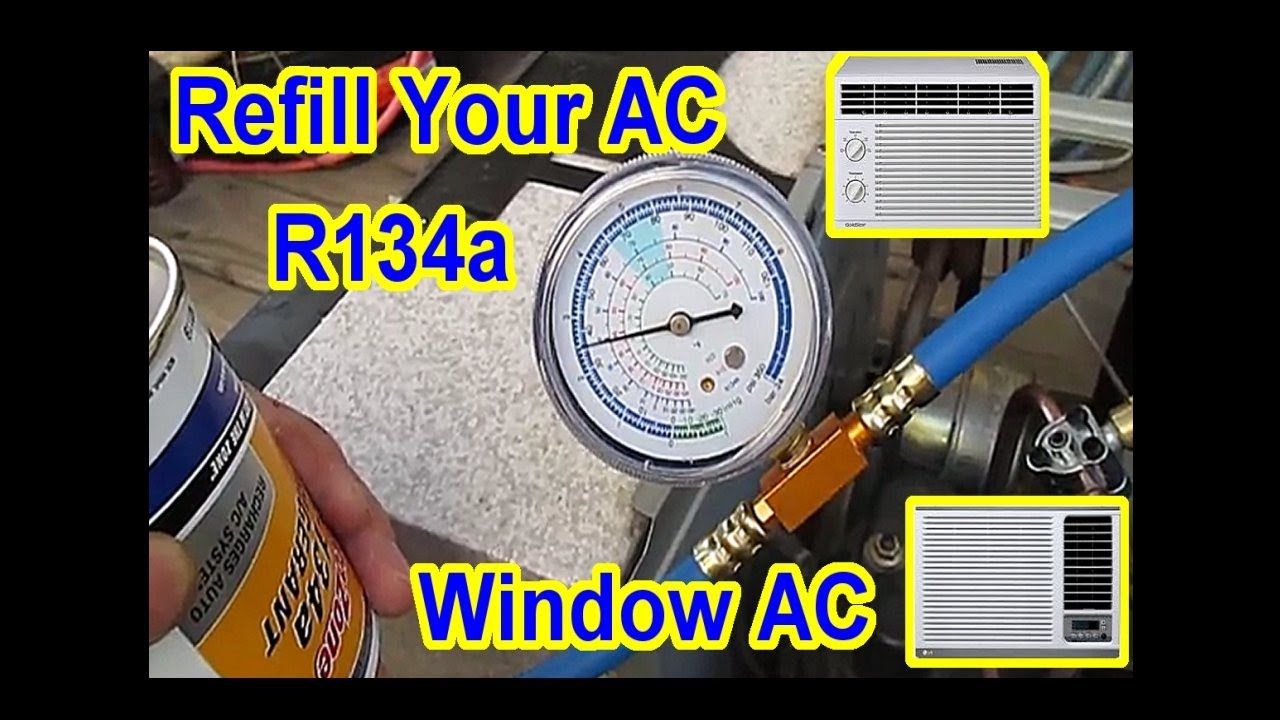
How To Refill Window Ac Refrigerant
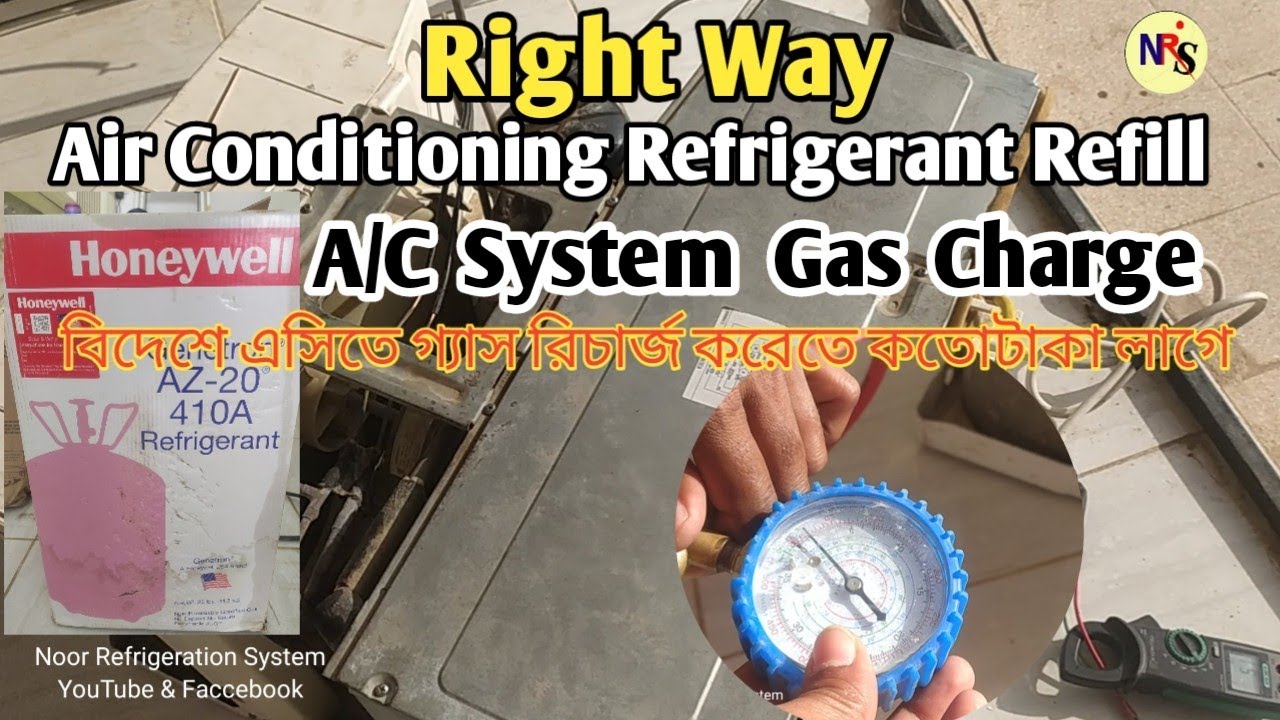
Okay, so your window AC isn't exactly blasting that arctic air anymore, huh? It's more like a gentle, tepid breeze whispering sweet nothings of…summer humidity. Bummer. You might be thinking, "Uh oh, is the refrigerant low?" Well, maybe! And while your first instinct might be to rush out and refill it, let's pump the brakes a sec. Refilling refrigerant in a window AC isn't quite like topping off your car's windshield washer fluid. It's a bit more…involved. Think of it less like adding sugar to your coffee and more like performing open-heart surgery on a tiny, humming metal box.
But before you hyperventilate, let's explore this whole refrigerant situation. What is refrigerant anyway? And why is it so important?
The Magic Coolant: What Refrigerant Does
Refrigerant is basically the lifeblood of your AC. It's a special chemical compound that cycles through the AC unit, absorbing heat from inside your room and releasing it outside. Think of it like a tiny heat transporter! It grabs all the sweltering heat molecules, hops on a rollercoaster that takes them outside, and then comes back inside all refreshed and ready to repeat. Without enough refrigerant, that rollercoaster grinds to a halt, and your room stays…toasty. Refrigerant is what makes the cool air possible.
Must Read
The (Not-So-Cool) Reality of Refilling
Now, here's where things get a little tricky. Window AC units are generally designed as sealed systems. That means they aren't really meant to be refilled. It's not like your car where there's a convenient little port waiting for a top-up. So, why not just crack it open and give it a shot? Well, a few reasons:

- It's complicated: You need specialized tools, like gauges and a vacuum pump, to properly refill refrigerant. And you need to know how to use them correctly.
- It's environmentally sensitive: Refrigerants can be harmful to the environment if released into the atmosphere. That's why certified technicians are trained to handle them safely. Think of it like this: handling refrigerant incorrectly is like letting a bunch of tiny, invisible Gremlins loose on the ozone layer. Not good.
- It's potentially dangerous: Working with refrigerant can be hazardous if you're not careful. You could get frostbite, chemical burns, or even damage your equipment. Safety first!
- It might not even be the problem: A low refrigerant level almost always indicates a leak. Simply refilling the unit without fixing the leak is like constantly adding air to a tire with a nail in it – you'll be back in the same situation soon.
Basically, trying to DIY a refrigerant refill on a sealed window AC unit is like trying to perform brain surgery after watching a YouTube video. You might get lucky, but the odds are definitely not in your favor.
So, What Are Your Options?
Don't despair! Just because you can't (or shouldn't) refill the refrigerant yourself doesn't mean your AC is destined for the scrap heap. Here are a few things you can do:

- Check the obvious: Is the filter clean? A dirty filter can restrict airflow and make your AC work harder, leading to poor cooling. Think of it like trying to breathe through a sock. Not fun.
- Seal the room: Make sure your windows and doors are properly sealed to prevent warm air from seeping in. It's like trying to fill a leaky bucket – you'll never get it full if water keeps escaping.
- Consider a professional: Contact a qualified HVAC technician. They can diagnose the problem and determine if the refrigerant can be recharged after repairing any leaks or if a replacement is the best option. A professional can find and fix the leak.
- Assess the age of your unit: Window ACs, like all appliances, have a lifespan. If yours is ancient, it might be more cost-effective to replace it with a new, more energy-efficient model. Think of it like this: sometimes, it's just cheaper to buy a new car than to keep fixing up the old clunker.
Ultimately, dealing with a window AC that's lost its cool (pun intended!) can be a bit frustrating. But by understanding the role of refrigerant, the complexities of sealed systems, and your available options, you can make an informed decision and get back to enjoying that sweet, sweet air conditioning. Remember, safety and environmental responsibility are key! When in doubt, call a pro!
Stay cool!