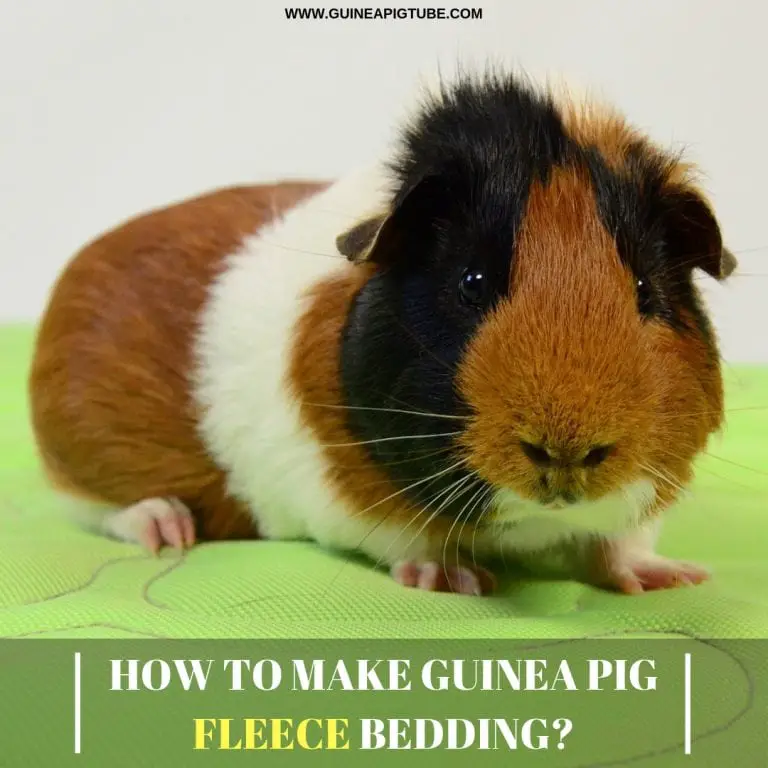
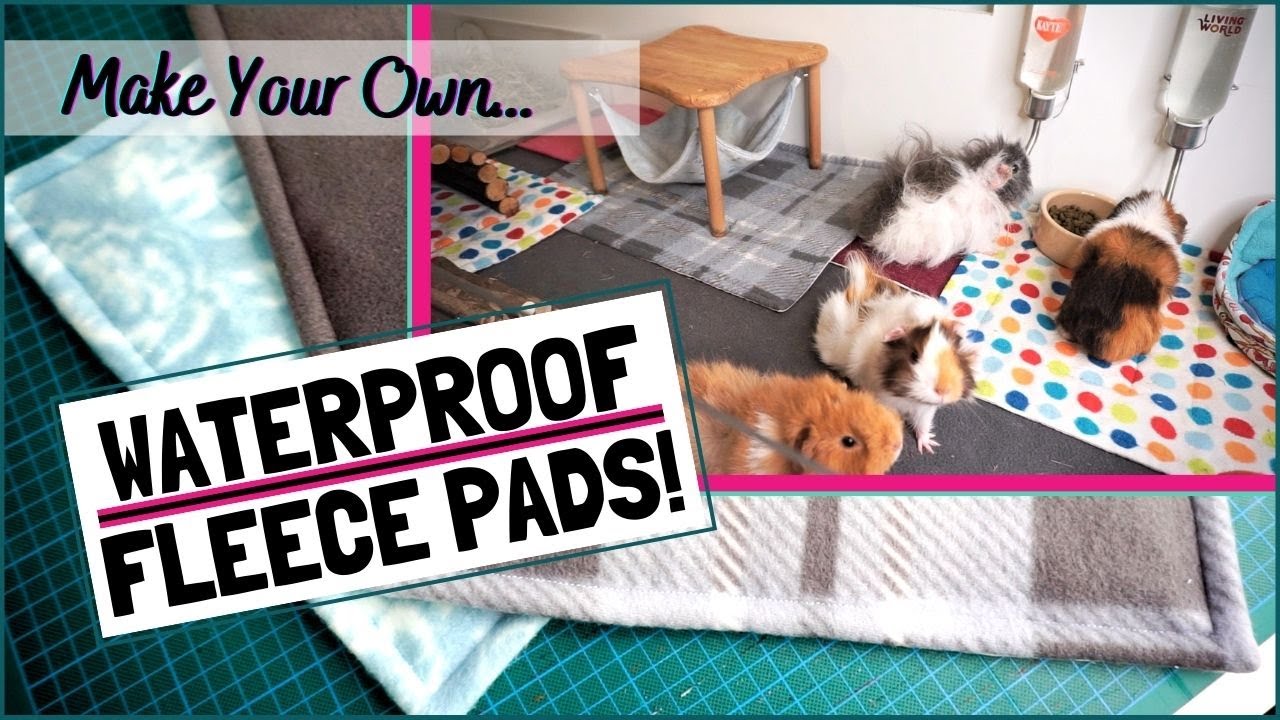
How To Make Fleece Bedding For Guinea Pigs

Okay, let's talk guinea pigs! Those adorable little potatoes who love nothing more than munching on veggies and squeaking for attention. And just like us, they deserve a comfy bed. But let's be honest, store-bought guinea pig bedding can be… well, a bit rubbish, right? Dusty, expensive, and frankly, not that cozy. That's where the magic of fleece bedding comes in! Think of it as crafting the ultimate snuggle sanctuary for your furry friend, but way easier than knitting a sweater (thank goodness!).
Why bother with fleece, you ask? Imagine sleeping on a cloud made of… well, fleece! It's softer than paper bedding, absorbs moisture like a champ (bye-bye, stinky cage!), and is reusable. Think of it as the difference between sleeping on a scratchy wool blanket and a plush, velvety dream. Your guinea pig will thank you with extra wheeks and happy popcorns (those adorable little jumps they do when they're excited!). Plus, it's much easier on your wallet in the long run. No more constant trips to the pet store for expensive disposable bedding!
Getting Started: Your Fleece Bedding Arsenal
Don't worry, you don't need to be a sewing expert. This is more like a fun afternoon project than a daunting DIY task. Here's what you'll need to gather:
Must Read
- Fleece Fabric: The star of the show! Anti-pill fleece is your best bet – it's durable, washable, and comes in a million fun colors and patterns. Think of it as picking out a new duvet cover, but for your guinea pig's palace! Get enough to cover the bottom of your cage, plus a little extra for hemming.
- Absorbent Layer: This is the unsung hero that keeps everything dry and fresh. Options include U-Haul furniture pads (cheap and effective!), mattress protectors, or even Zorb fabric for super absorbency. This goes underneath your fleece, it's essential.
- Scissors or Rotary Cutter: For cutting the fleece and absorbent layer to size. A rotary cutter and mat make things super easy, but regular scissors work just fine too.
- Measuring Tape: To get the dimensions of your cage. Measure twice, cut once! (Sound familiar?).
- Sewing Machine (Optional): If you want to hem the edges of the fleece for a neater look and to prevent fraying. But if you're not a sewer, don't sweat it! You can simply fold over the edges and secure them with fabric glue or leave them raw.
The Step-by-Step Guide to Fleece Bedding Bliss
Alright, ready to transform your guinea pig's cage into a five-star resort? Let's do this!

- Measure Your Cage: Get the length and width of the bottom of your cage. Write it down – you don't want to end up with a fleece liner that's too small (or ridiculously oversized!).
- Cut the Fleece and Absorbent Layer: Cut both the fleece and the absorbent layer to the size you measured, adding a few extra inches on each side if you plan to hem the edges. Think of it like wrapping a present, you need a little extra fabric to work with.
- Hem the Fleece (Optional): If you're using a sewing machine, fold over the edges of the fleece about half an inch and sew a simple hem. This will give it a nice, clean look and prevent fraying. If not, just fold and glue.
- Layer It Up: Place the absorbent layer on the bottom of the cage, and then lay the fleece on top. Make sure everything is smooth and wrinkle-free.
- Guinea Pig Approved! Introduce your guinea pig to their new luxurious bedding. Watch them explore, sniff, and hopefully, do a happy popcorn or two!
Keeping it Clean: Maintenance Tips
Fleece bedding is awesome, but it does require regular cleaning. Think of it like washing your own bedsheets – you wouldn't want to sleep on dirty ones, and neither does your guinea pig!
- Daily Spot Cleaning: Remove any poops or soiled areas daily. A small hand vacuum or even just picking them up with a paper towel works great.
- Machine Washing: Wash the fleece and absorbent layer every 2-3 days, depending on how messy your guinea pig is (and let's be honest, some are messier than others!). Use a guinea pig-safe detergent and avoid fabric softeners, as they can reduce absorbency.
- Drying: You can tumble dry the fleece on low heat or hang it to dry. The absorbent layer may take longer to dry, so plan accordingly.
Making fleece bedding for your guinea pig is a simple, rewarding, and budget-friendly way to provide them with a comfortable and healthy environment. It's like giving them a little piece of luxury they'll truly appreciate. So, grab some fleece, get crafty, and watch your furry friend thrive in their new cozy paradise! Happy crafting, and happy guinea pig parenting!