How To Make A Fire Alarm Stop Chirping
Ah, that sound. It’s the phantom menace of modern homes, haunting quiet evenings and shattering peaceful mornings. We're talking, of course, about the infamous fire alarm chirp! While not typically an art gallery exhibit, mastering How To Make A Fire Alarm Stop Chirping is arguably one of the most universally sought-after life skills. It’s a silent, shared struggle, a bond between homeowners, renters, and even the occasional bewildered pet owner. Today, we'll treat it with the respect it deserves – as a truly creative, problem-solving endeavor!
What’s the artistic or hobbyist benefit of battling a beeping detector? Well, consider it your personal quest for sonic tranquility. For the aspiring artist, how can creativity truly flourish with that incessant "chirp… chirp…" subtly undermining focus? Silencing it means reclaiming your mental canvas, allowing your muse to speak. For the hobbyist, it’s a brilliant entry point into practical home maintenance – a small, achievable DIY victory that builds confidence for grander projects. For the casual learner, it’s a masterclass in observation, patience, and your home’s electrical ecosystem. It teaches you to listen, to investigate, and ultimately, to conquer a common household nuisance, granting you the precious gift of peace and quiet.
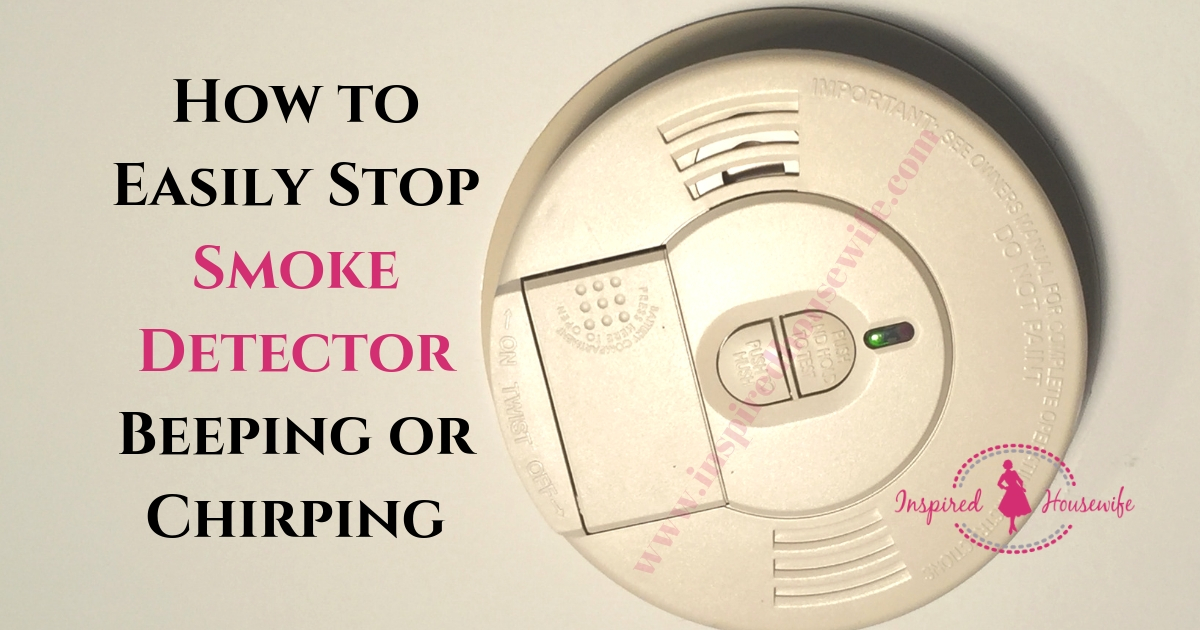
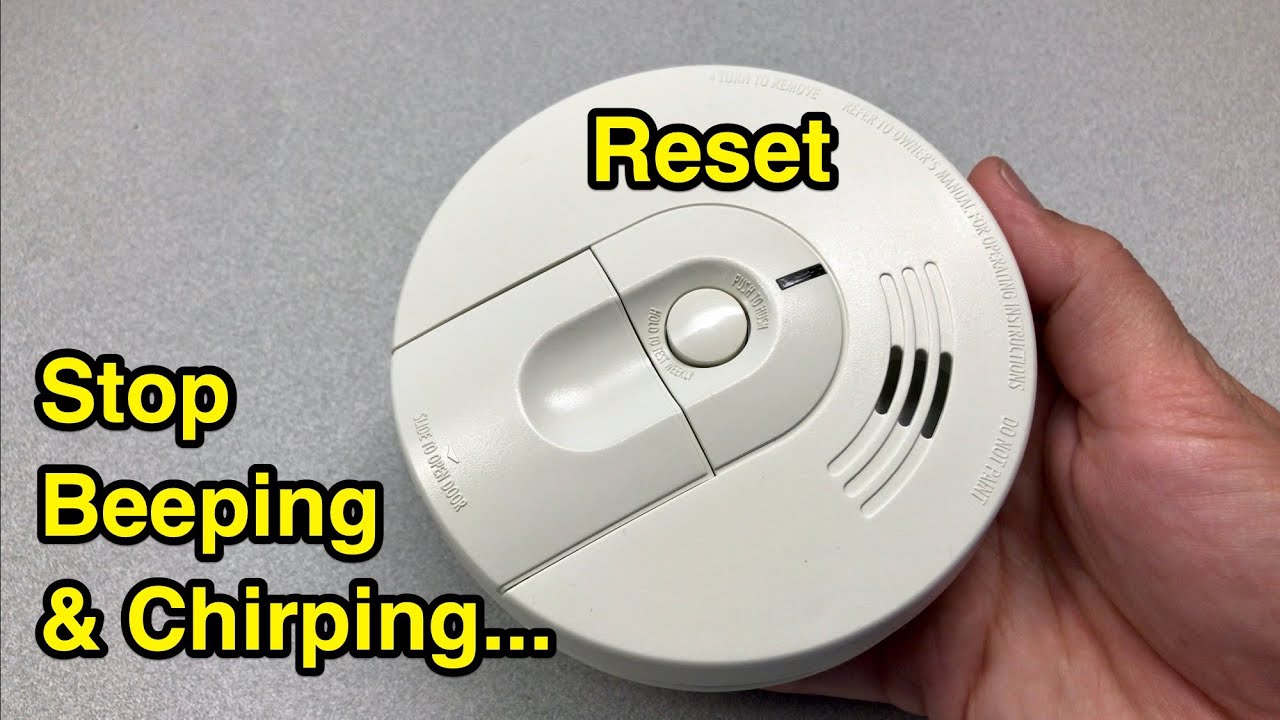
Just as there are countless painting styles, there are many "variations" to this chirping conundrum, each demanding a unique approach. The most common culprit, the "classic" aural assailant, is often a dying battery – your basic "replace the canvas" technique. Then there's the "dust bunny" variation, where accumulated grime needs a gentle clean – akin to polishing a gem. Some alarms feature a mysterious "reset button" – a quick, satisfying fix, much like finding a missing puzzle piece. And for the truly adventurous, you might encounter the "power interruption" chirp on hardwired units, which requires a bit more detective work. Each scenario offers a delightful mini-challenge, honing troubleshooting skills and transforming you into a true chirp whisperer.
Must Read
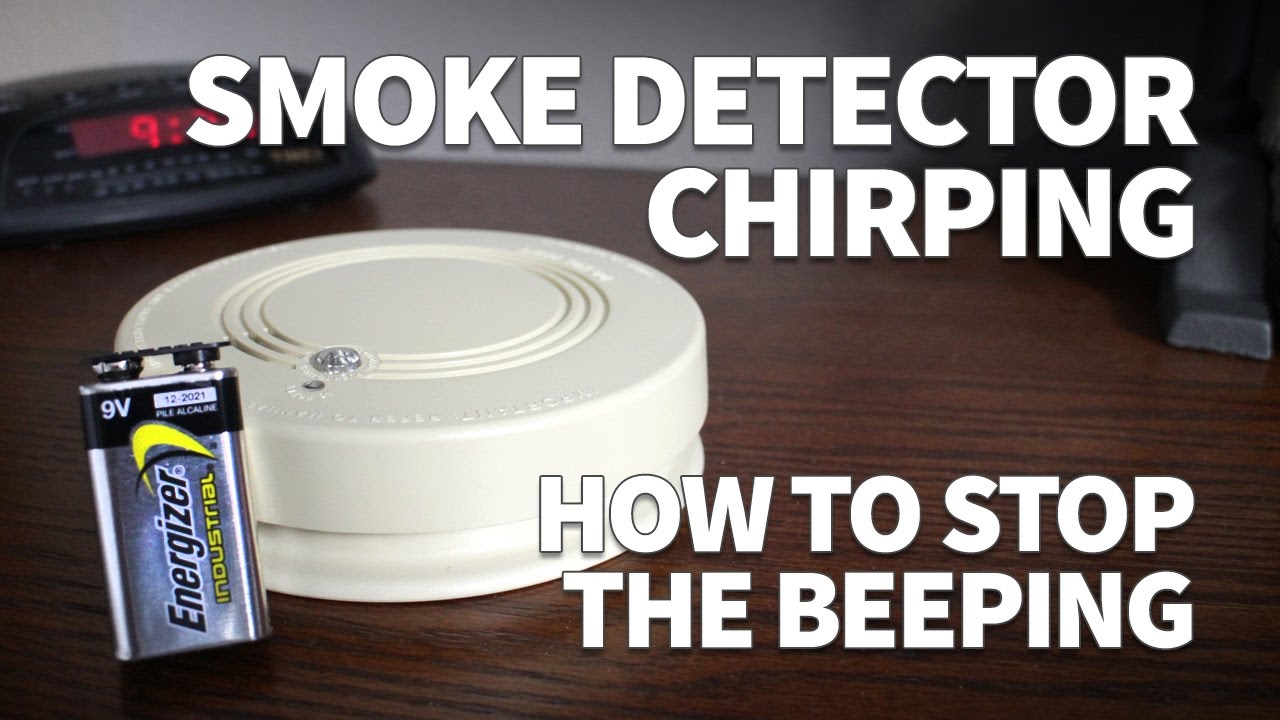
Ready to try your hand at home? Here are a few invaluable tips for becoming a master of silence. First, safety always comes first: if dealing with hardwired alarms, always turn off the circuit breaker for that area before anything beyond battery replacement. Next, arm yourself with the right tools: a sturdy step stool, a small Phillips head screwdriver, and fresh, high-quality batteries (check your alarm for the correct type, usually AA or 9V). Don't forget to consult the alarm’s manual – it's like a secret cheat sheet! Finally, once you’ve replaced the battery or cleaned the unit, remember to press the "test" button to ensure it works, then release it into the glorious, chirpless wild. The silence that follows is your reward.
So, why is this small act so enjoyable? It’s more than just stopping an annoying sound; it’s about reclaiming your domain, proving you can tackle life’s little irritations head-on. There’s a profound sense of satisfaction, a quiet triumph in restoring harmony. It’s a testament to a little knowledge, a bit of effort, and the sweet, sweet sound of absolutely nothing. Go forth, silent heroes, and enjoy the blissful peace you’ve earned!