How To Know If Smoke Detector Is Also Carbon Monoxide

Ah, the trusty smoke detector! It sits there, usually white, often forgotten, until that dreaded, ear-splitting chirp sends us leaping out of bed at 3 AM, convinced the house is simultaneously on fire and out of batteries. It’s a familiar friend, a guardian angel with a serious volume problem. But have you ever stopped to wonder if your little sentinel is doing double duty? Is it just watching for a burnt toast incident, or is it also on the lookout for a far more sinister, invisible threat?
That's right, we're talking about Carbon Monoxide, the ninja of household dangers. Unlike its smoky cousin, CO doesn’t have a smell, a taste, or a color. It’s like the ultimate silent movie villain, sneaking around without a sound cue. And because it’s so sneaky, knowing if your existing detector is pulling its weight for both dangers can be a bit of a head-scratcher. It's a bit like asking if your favorite coffee mug also makes tea – you hope so, but you're not entirely sure how to check without a label!
The Great Detector Detective Work
Don't worry, you don't need a magnifying glass or a deerstalker hat to solve this mystery. Unmasking your detector's full capabilities is surprisingly simple, and frankly, a bit of fun once you know what to look for. Think of it as a treasure hunt for peace of mind!
Must Read
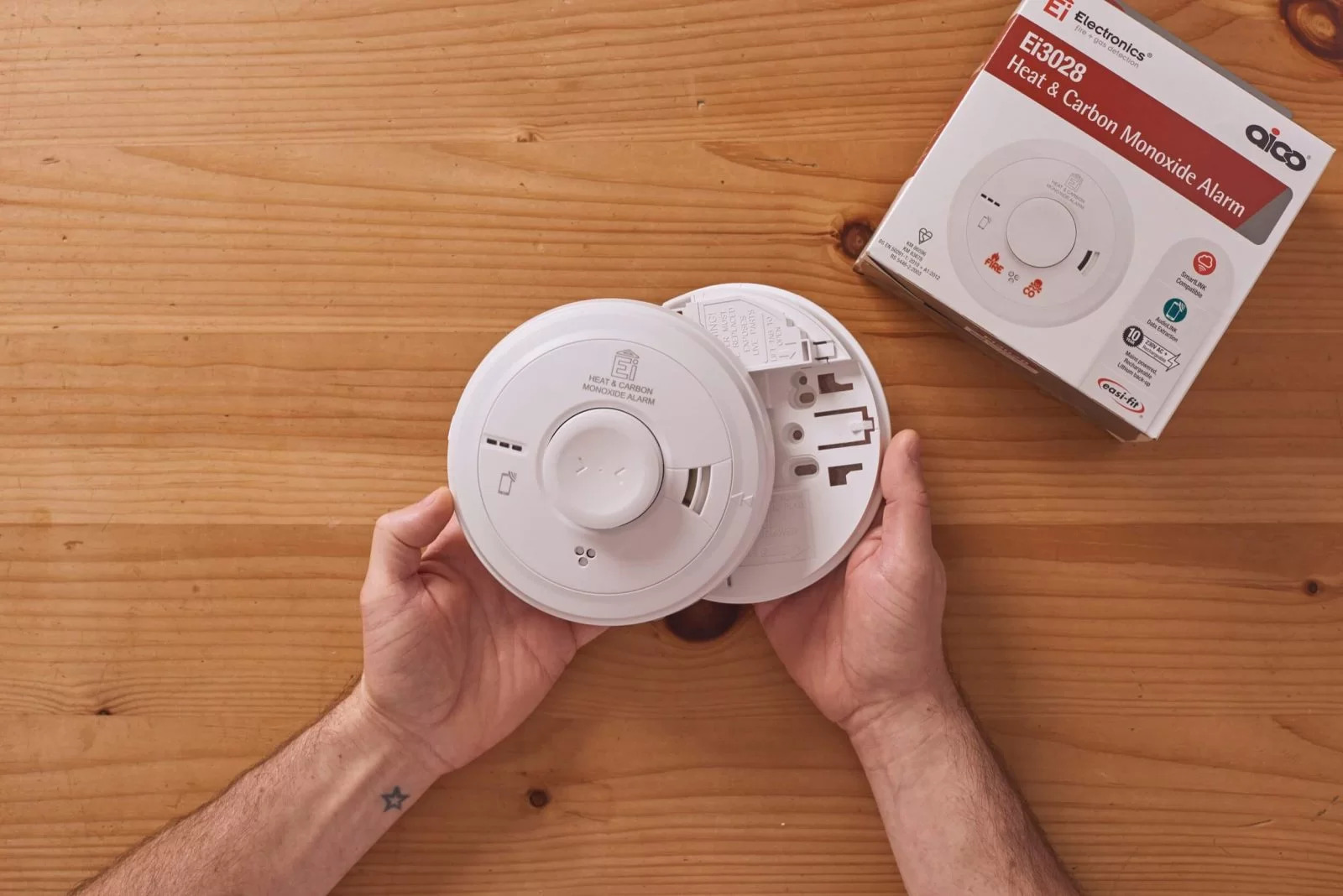
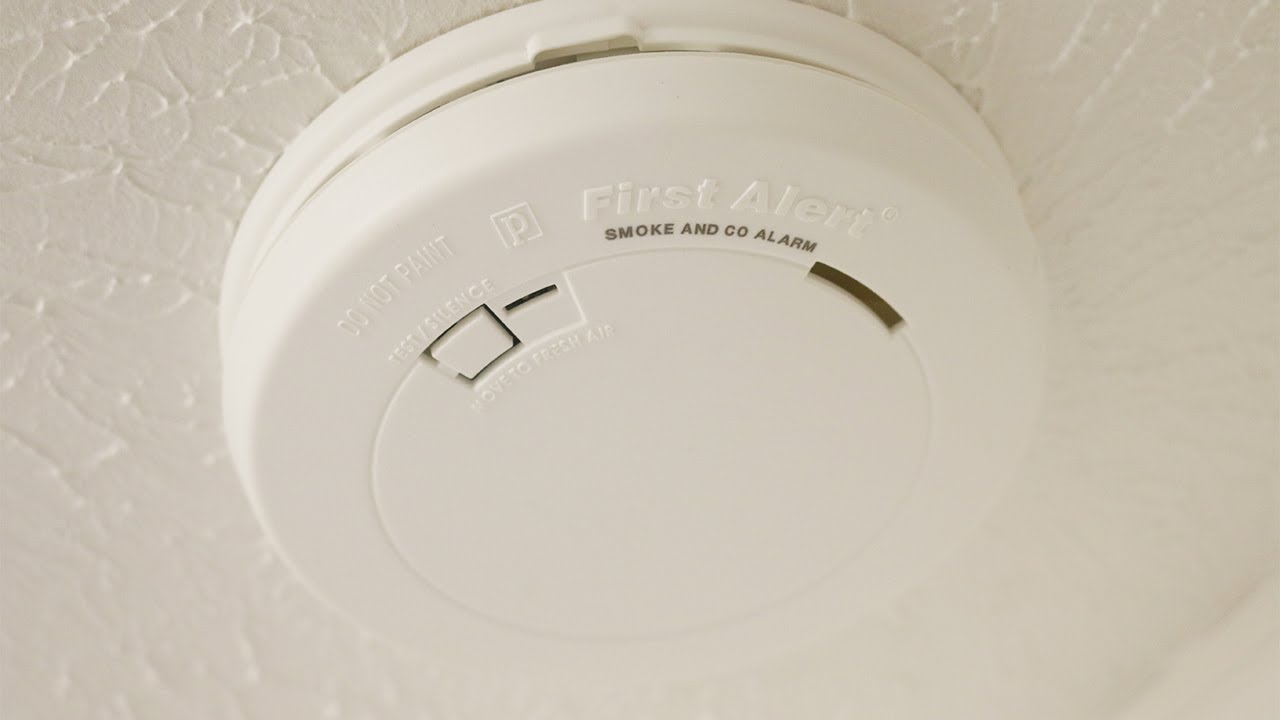
The first, and often most obvious, clue is right on the device itself. Grab a sturdy step stool (safety first!) and give your detector a gentle wipe. Now, look closely at the casing. What words do you see? Many combined units will proudly declare their dual purpose. You might spot phrases like "Smoke and Carbon Monoxide Alarm" or "CO and Smoke Detector." Sometimes it's just the acronyms: "SMOKE / CO." If you see "CO" anywhere, bingo! You've got a dual-threat protector on your hands.
But what if the print is tiny, faded, or just plain absent? Maybe your detector is an older model, a seasoned veteran of the ceiling wars, and its labels have seen better days. No worries! Our detective work continues. The next best place to look is the back of the unit. You'll often find a model number there. A quick search of that model number on the manufacturer's website or even a general web search can tell you everything you need to know. It’s like looking up a vintage car part – a little effort, a lot of satisfaction when you find the answer!

Another dead giveaway? The packaging. If you still have the box or the manual (and who keeps those, right? Oh, just me?), it will explicitly state if it’s a combination unit. Consider this a friendly reminder to maybe, just maybe, tuck those manuals into a file next time. Your future self will thank you!
"Knowing your detector covers both bases is like finding out your favorite superhero has a secret sidekick you never knew about – double the protection, double the peace of mind!"
The Unexpected Perks of Being Informed
Discovering your detector is a combo unit brings a surprisingly warm feeling. It’s not just about safety; it’s about that little surge of satisfaction that comes from being prepared, from knowing you've got your family covered. Imagine the scenario: you're hosting Thanksgiving, the oven is working overtime, and suddenly, you have a moment of doubt. A quick glance at your detector, seeing that reassuring "CO" label, instantly puts your mind at ease. No need to fret about invisible gases while carving the turkey!
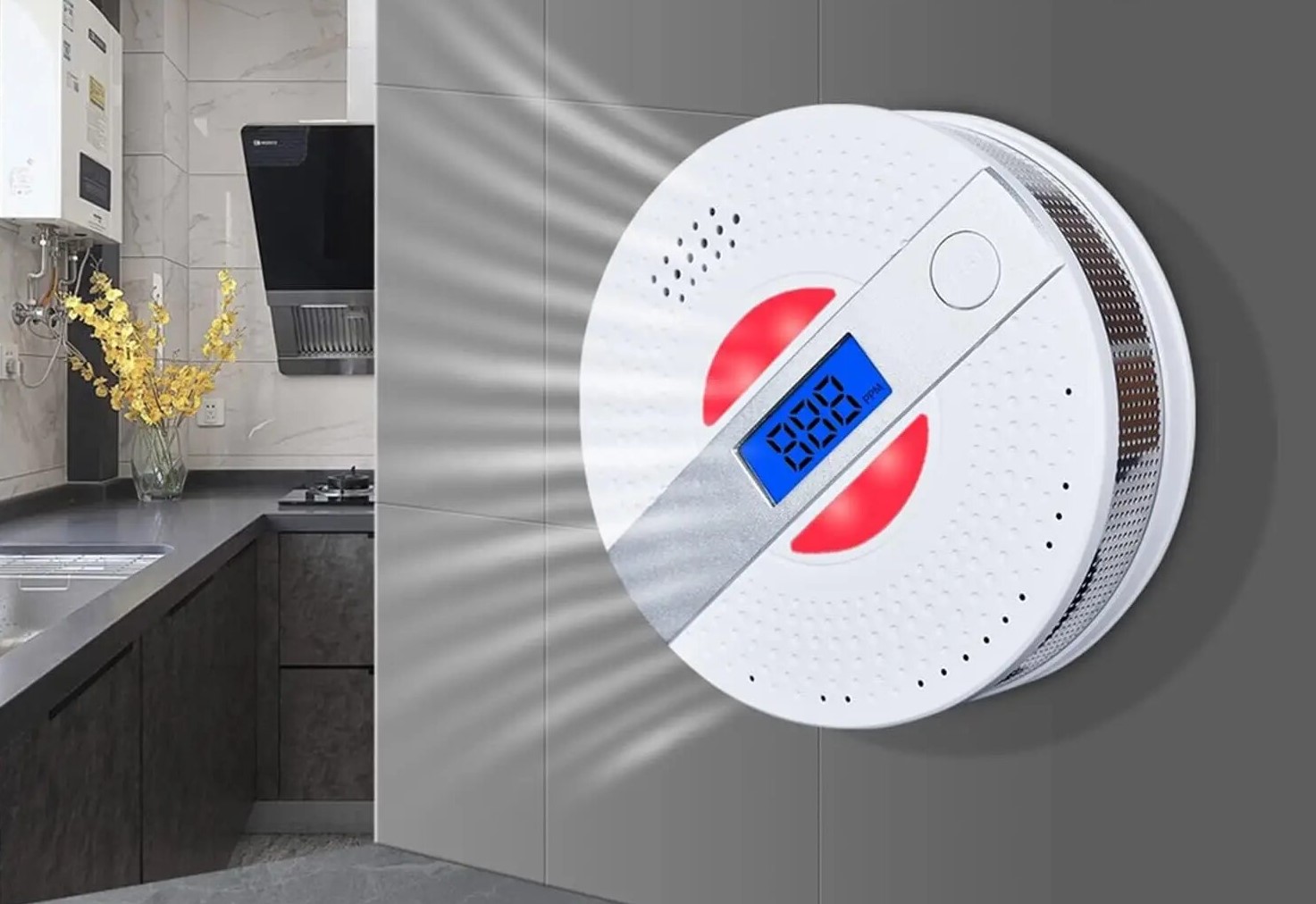
And if you discover your smoke detector is only a smoke detector? That's not a disappointment; it's an opportunity! It's a chance to upgrade, to give your home and loved ones that extra layer of protection. Think of it as adding a turbo boost to your home's safety system. Many people, myself included, assume all modern detectors are combination units, only to realize with a gentle jolt of surprise that this isn't always the case. It's a common oversight, but an easily fixable one.
So, the next time your smoke detector lets out a sleepy chirp, or you’re simply dusting the ceiling, take a moment. Engage your inner detective. A quick look, a simple check, and you'll know for sure. It’s a small action that delivers a huge return in terms of safety and, let’s be honest, that wonderfully comforting feeling of knowing you’ve done everything you can to keep your household safe from both the visible flames and the invisible threat. And that, my friends, is a pretty heartwarming thought to drift off to sleep with, even if that darn battery decides to chirp at 3 AM again.