How To Know If Carbon Monoxide Is In House

Hey there! Let's kick things off with a little scenario, shall we? Picture this: It's a winter morning. You wake up feeling like you've been run over by a truck. Your head is throbbing, your stomach is unsettled, and you just feel... off. You blame that questionable late-night snack, the extra hour you spent doomscrolling, or maybe a stubborn cold. You drag yourself through the day, thinking, "Man, I'm just tired."
But what if that "tired" feeling, that persistent headache, that general malaise, wasn't just a byproduct of modern life or a grumpy gut? What if it was something far more insidious, something you couldn't see, smell, or taste, silently creeping into your home and your very bloodstream? I'm talking about carbon monoxide (CO), the invisible monster, the silent killer, the party crasher you never invited.
So, What's the Deal with This Invisible Menace?
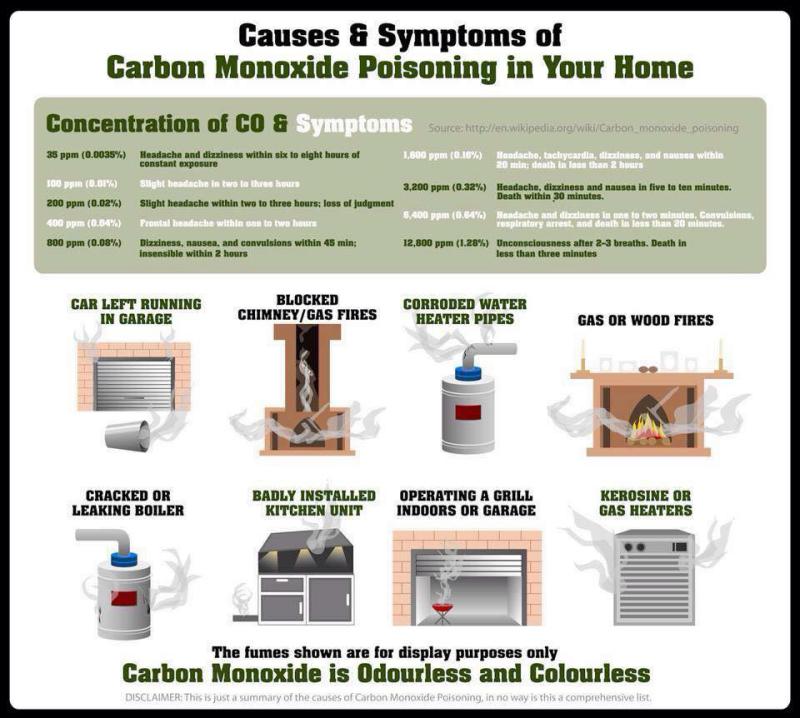
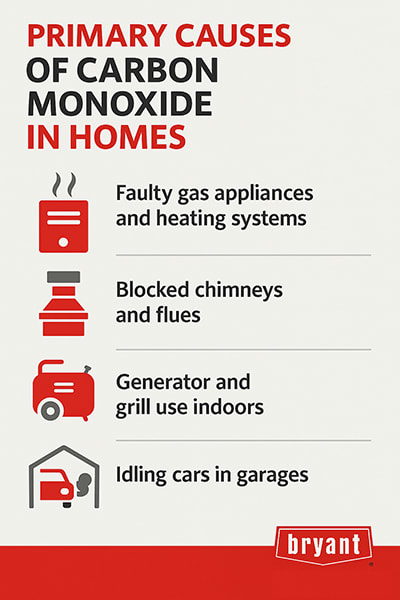
Carbon monoxide is a gas. A really sneaky one. It's produced when fuels (like gas, oil, wood, kerosene) don't burn completely. Think of your furnace, your gas stove, a fireplace, a water heater, or even that trusty barbecue grill (if, for some bizarre reason, you decide to use it indoors – please don't!). These are all potential CO producers. The real danger? CO replaces oxygen in your red blood cells, essentially suffocating you from the inside out. And because it's undetectable by our senses, it's incredibly dangerous. You won't know it's there until it's too late... unless you're prepared.
Must Read
The Undisputed Champion: The Carbon Monoxide Detector
Alright, let's cut to the chase. The absolute, undisputed, gold-medal-winning champion in the fight against CO is the carbon monoxide detector. Seriously, folks, if you take nothing else from this article, let it be this: get one (or several). These little heroes are like your home's personal bodyguard, constantly sniffing the air for this invisible threat.
Where should they go? Great question! Place them on every level of your home, especially near sleeping areas. Hallways leading to bedrooms are prime spots. Modern smart detectors can even alert your phone, which is incredibly vital! Test them regularly (that little "test" button is your friend) and replace batteries or the unit itself as recommended by the manufacturer. They don't last forever, sadly.

When Your Body Tries to Tell You Something (Symptoms!)
Okay, but what if you don't have a detector, or it's an older one and you're suspicious? Your body, being the amazing machine it is, will start sending out distress signals. The problem? These signals are often vague and can easily be mistaken for other common ailments. This is where the "invisible monster" truly earns its stripes.
Common, early symptoms of CO poisoning include:
- Headache: Often dull, frontal. Remember our sleepy scenario? This is often the first sign.
- Dizziness or Lightheadedness: Feeling woozy, like you're on a boat.
- Nausea or Vomiting: Tummy troubles, but without the questionable late-night pizza.
- Fatigue or Weakness: Feeling unusually tired, lethargic, like all your energy has been siphoned off.
- Shortness of Breath: Especially during exertion.
See? These sound exactly like the flu, a bad cold, or even food poisoning, right? That's why CO is so dangerous! It mimics other illnesses.
The Red Flags That Scream "CO Alert!"
Here's where you need to be a detective, my friend. Look for patterns:
- Multiple Occupants Affected: If several people (and even pets!) in your home are experiencing these symptoms simultaneously, that's a HUGE red flag. Pets often show signs first – lethargy, vomiting, general malaise. Their smaller bodies are more susceptible.
- Symptoms Improve Away From Home: This is the golden clue! Do you feel terrible at home, but start to feel better once you step outside or go to work? And then, BAM, they return when you get back home? That's a massive indicator of an indoor air quality issue, very possibly CO.
- Worsening Symptoms: As exposure continues, symptoms can become more severe: confusion, blurred vision, loss of consciousness. At this point, it's an absolute emergency.
Prevention is Your Best Defense (Besides the Detector!)
While the detector is your frontline warrior, a little prevention goes a long way:
- Annual Appliance Checks: Get your fuel-burning appliances (furnace, water heater, boiler, stove, fireplace) inspected annually by a qualified technician.
- Ventilation is Key: Ensure your fireplace and dryer vents are clean and unobstructed. Make sure gas appliances are properly vented to the outside.
- Never Indoors: Seriously, never run a generator, charcoal grill, or any gas-powered engine indoors or in an attached garage. Even with the garage door open, it's a no-go.
- Don't Use Ovens for Heat: Your gas oven is for cooking, not for heating your home. It can produce dangerous levels of CO.
Emergency Protocol: When in Doubt, Get Out!
If your CO detector alarms, or if you strongly suspect CO poisoning based on symptoms and the "improve away from home" clue, here's what you do:
- GET OUT IMMEDIATELY: Don't try to find the source. Don't grab your valuables. Just get everyone (including pets!) out of the house into fresh air.
- CALL FOR HELP: Once you're safely outside, call 911 (or your local emergency number). Tell them you suspect carbon monoxide poisoning.
- SEEK MEDICAL ATTENTION: Even if you feel okay after getting fresh air, it's wise to get checked out by medical professionals.
Remember, CO is tricky. It doesn't play fair. But with a good CO detector, an awareness of the symptoms, and a healthy dose of caution, you can keep your home and loved ones safe from this sneaky threat. Stay safe, stay curious, and always trust your gut (and your CO detector!).