How To Detect Carbon Monoxide Poisoning
There's a special kind of comfort that comes from feeling truly safe and sound within the walls of your own home. It’s where we kick back, relax, and create memories. The "activity" we’re talking about today isn't a hobby in the traditional sense, but rather an essential practice for maintaining that very sanctuary: understanding and detecting carbon monoxide (CO) poisoning. There’s a quiet satisfaction, a deep sense of security, in knowing you’ve taken proactive steps to protect your loved ones and yourself from unseen dangers. It’s the peace of mind that allows you to truly enjoy your haven without lurking worries.
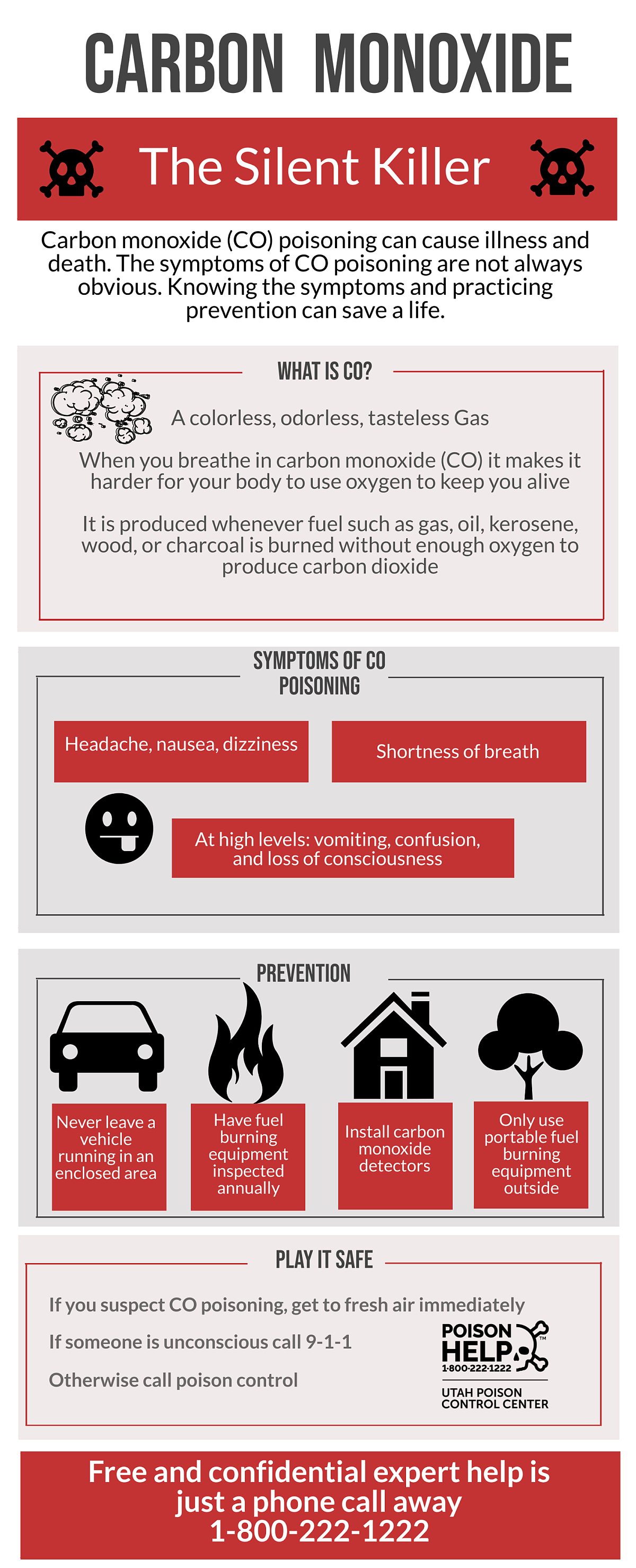
So, what’s the big deal? Carbon monoxide is often called the silent killer, and for good reason. It's an invisible, odorless, tasteless gas produced whenever fuel (like gas, oil, kerosene, wood, or charcoal) burns. Without proper ventilation, it can build up to dangerous levels, replacing oxygen in your blood and suffocating your cells. The immense benefit it serves for everyday life is nothing less than life-saving. Knowing how to detect CO means you can avert a tragedy, ensuring that your home remains a place of warmth and safety, not a silent threat. It protects not just human lives, but also our beloved pets, who are often more susceptible due to their smaller size.
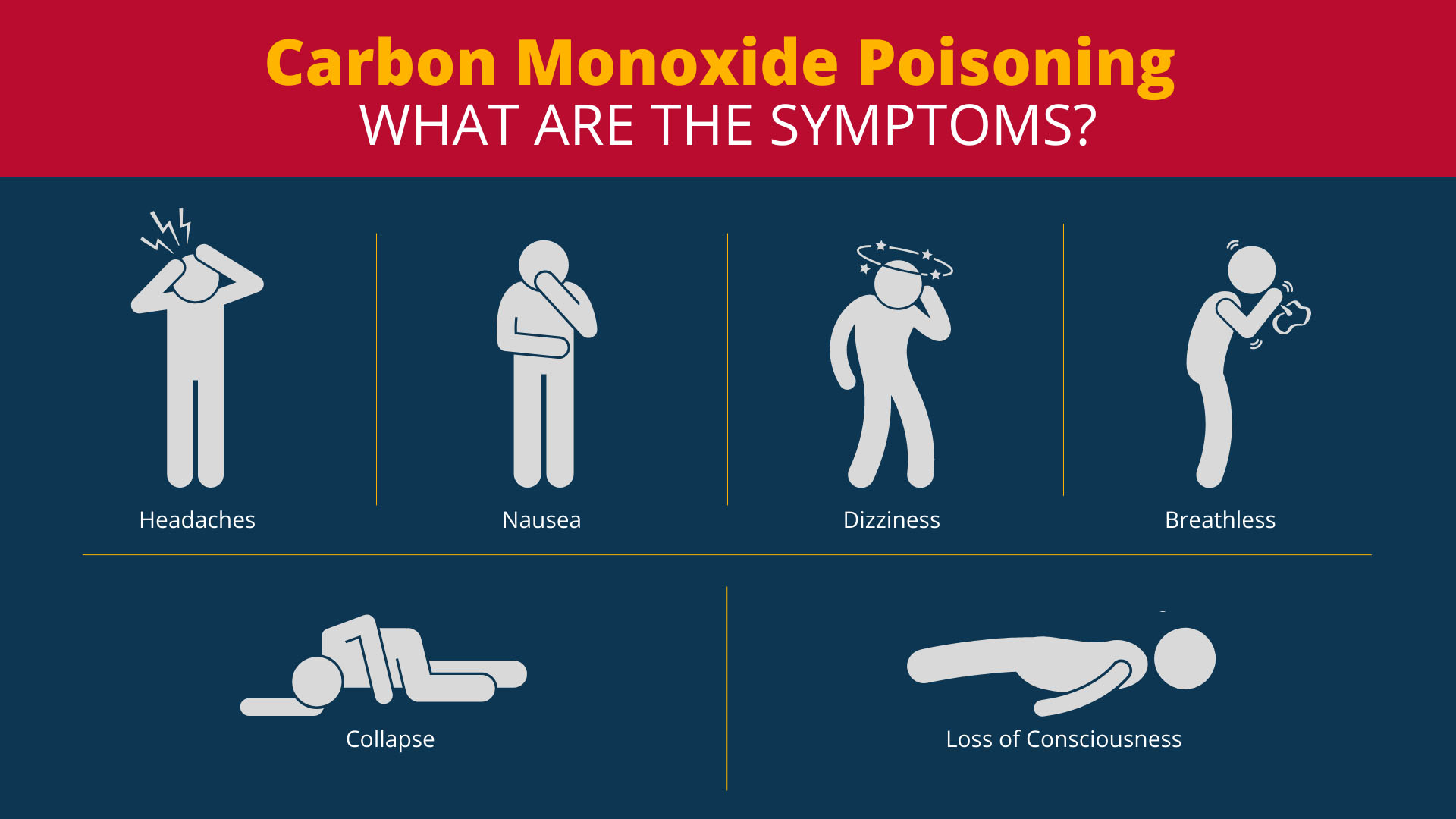
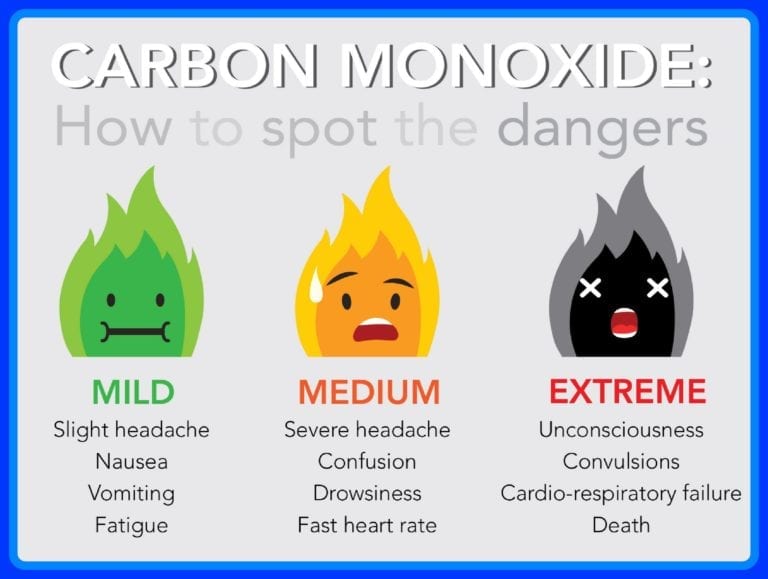
Common examples of how CO exposure happens often involve household appliances. Think about a faulty furnace, a gas stove or water heater with a blocked flue, a running car in an attached garage, or even a charcoal grill being used indoors during a power outage. The sneaky part? The initial symptoms of CO poisoning often mimic the flu: headaches, dizziness, nausea, fatigue, and confusion. The crucial difference? No fever. If you and others in your home suddenly feel unwell, and especially if you feel better after leaving the building, CO should be your immediate suspect. This is where detection becomes paramount.
Must Read
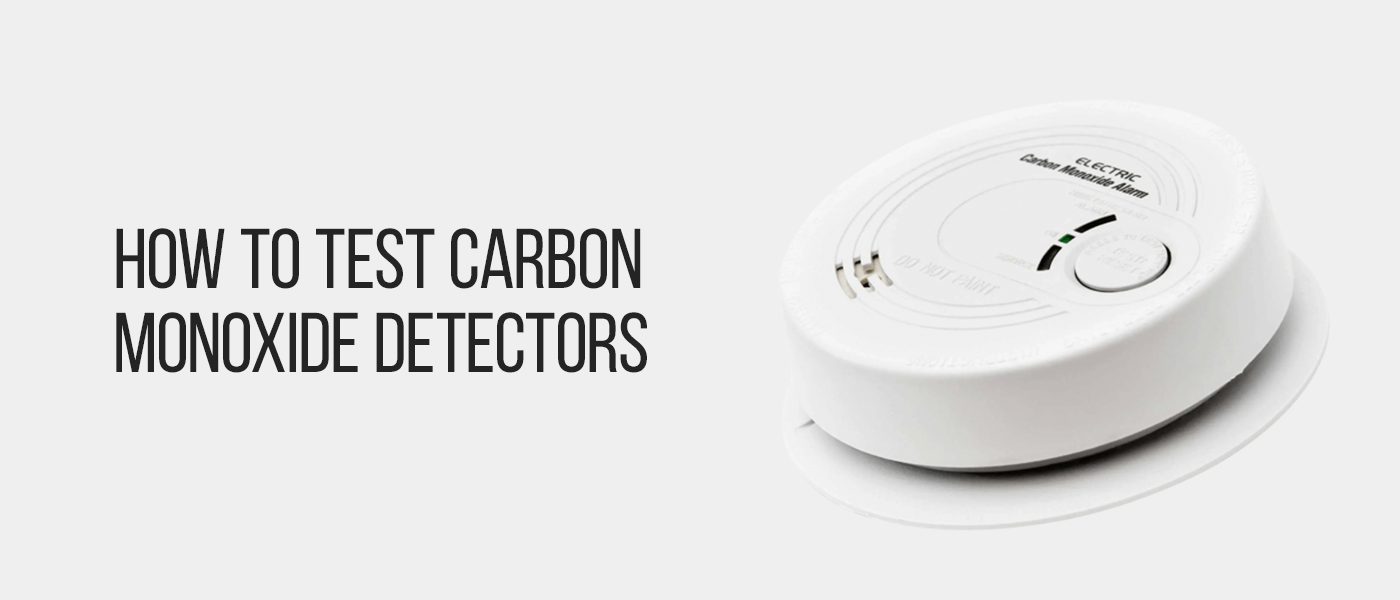
To truly "enjoy" the peace of mind that comes from CO preparedness more effectively, here are some practical tips. First and foremost, install carbon monoxide detectors. Think of them as your home's unseen guardian angels. Place them near sleeping areas and on every level of your home. Test them regularly, just like your smoke detectors – a good reminder is when you change your clocks for daylight saving time. Secondly, ensure all fuel-burning appliances (furnaces, water heaters, gas dryers, fireplaces) are inspected annually by a qualified technician. Don't use portable generators inside your home or garage, and never run a car in an attached garage, even with the door open. Educate everyone in your household about the symptoms and, most importantly, what to do if the alarm sounds: evacuate immediately and call 911 or your gas company. Being proactive and informed is the ultimate way to enjoy your home, knowing you’ve championed its safety.