How Often Should I Replace My Sump Pump

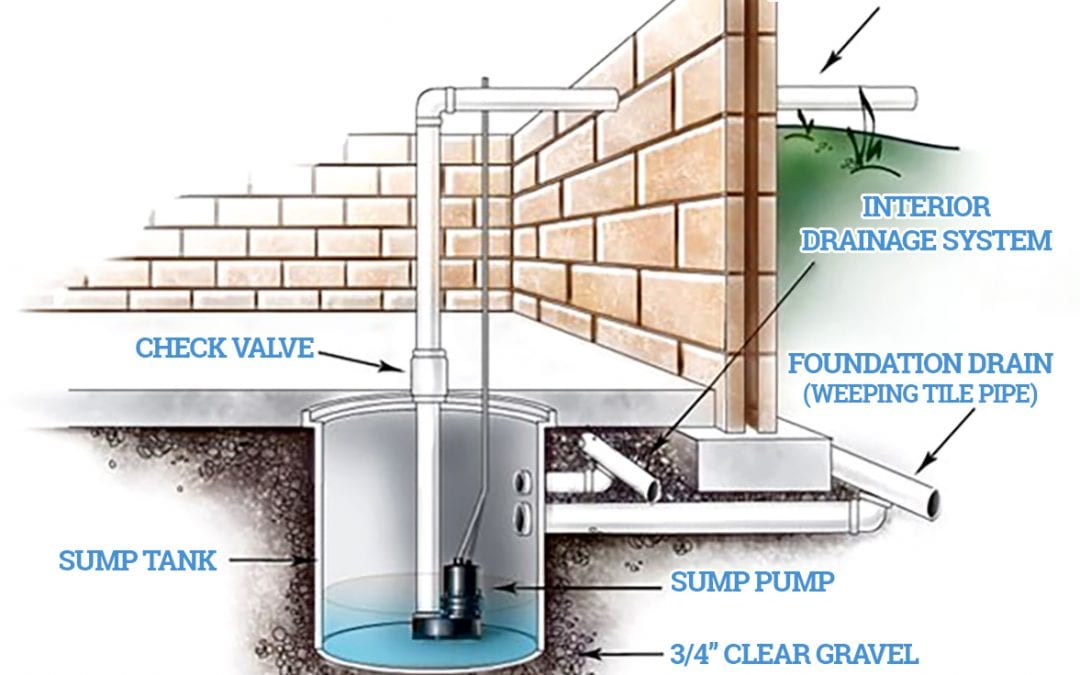
Alright, let's chat about a true unsung hero of your home, especially when the skies decide to cry buckets: your sump pump! I know, it’s not exactly the star of your dinner party conversations, but trust me, this little workhorse quietly sitting in its pit is doing some seriously important heavy lifting. It's protecting your basement, your belongings, and your peace of mind from becoming an unexpected swimming pool.
Imagine this: It’s the middle of a stormy night. Rain is drumming a furious rhythm on the roof, thunder rumbles, and you're all cozy in bed. You wake up next morning, expecting your usual dry floor, but instead, you find… a very uninvited, very un-fun indoor pond. Right there in your basement. Yikes!
Why Should This Humble Hero Matter to You?
That soggy nightmare? That’s precisely what your sump pump works tirelessly to prevent. It’s the bouncer at the exclusive club of your dry basement, making sure no unwanted water crashes the party. If it decides to retire without notice, you’re looking at more than just a damp rug. Think potential mold, ruined keepsakes, waterlogged furniture, and a cleanup job that's definitely not on your "fun things to do this weekend" list. So, caring about your sump pump is really about caring for your wallet, your valuable stuff, and your sanity.
Must Read
You wouldn't drive your car for years without an oil change, right? Or expect your trusty fridge to perfectly chill your snacks without a little maintenance? Your sump pump is a mechanical device, a diligent workhorse, and like any workhorse, it needs to be fit for duty.
The Big Question: How Long Does This Lifesaver Last?
This isn't a simple "X number of years" answer, because every pump has its own story. But generally speaking, most experts recommend replacing your sump pump every 7 to 10 years. Let's dive into what makes your pump's story unique.
It’s All About That Workload!
Does your sump pump kick into action every time it drizzles, or only during epic downpours? If you live in a low-lying area or have a high water table, your pump might be running more often than a coffee maker on a Monday morning. More work means more wear and tear. Think of it like two treadmills: one at a busy gym, used daily by dozens, and one in a quiet home, used once a week. The busy gym treadmill will likely need replacing sooner. So, if your pump is a marathon runner, you might lean towards the shorter end of that 7-10 year spectrum.
Age Happens, Even to Pumps
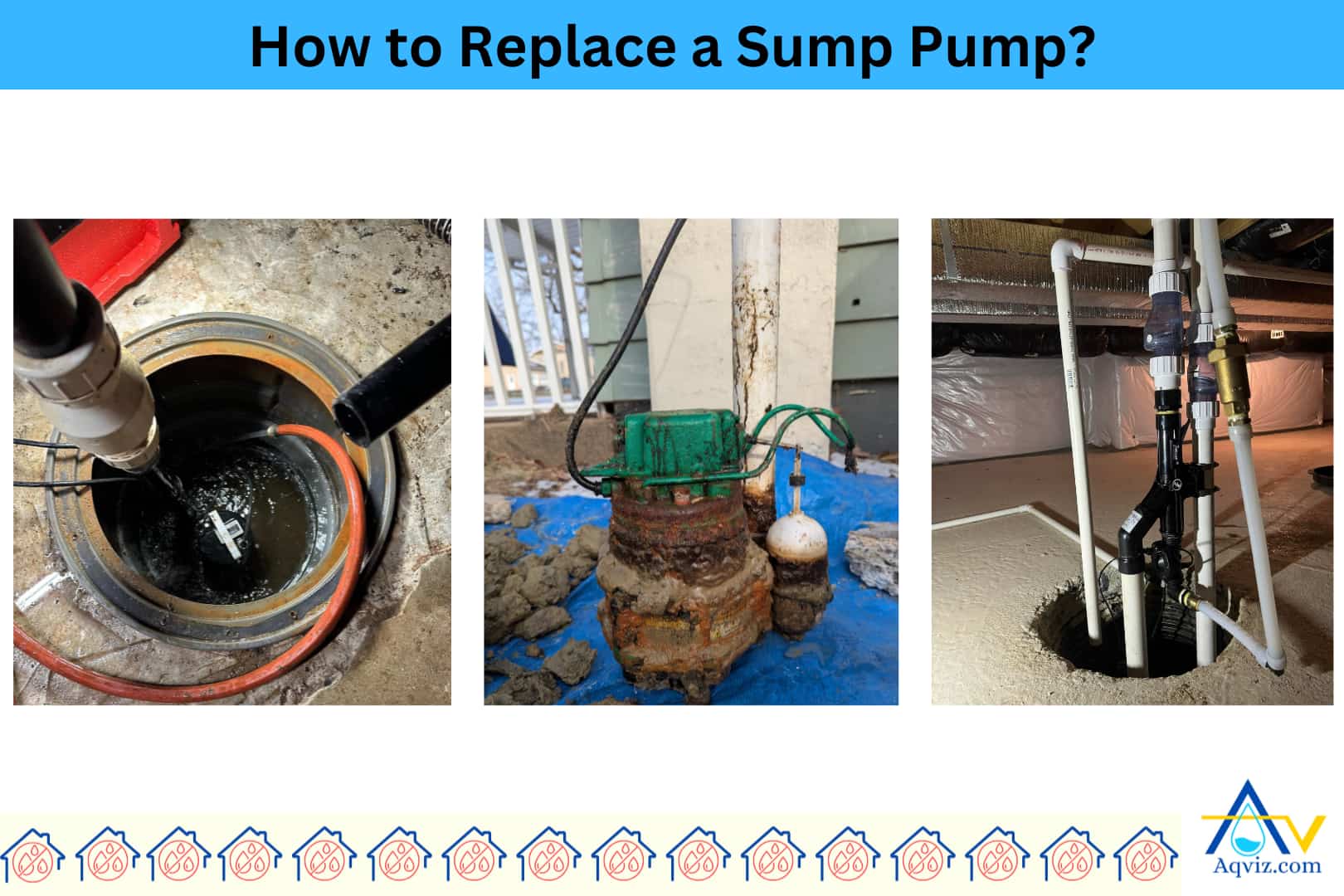
Even if your pump hasn’t seen a ton of action, like that favorite pair of shoes, things eventually start to show their age. Components can degrade, seals can weaken, and motors can lose their efficiency over time, even with minimal use. An older pump, even if seemingly fine, is a ticking time bomb for potential failure. Don't let an "if it ain't broke, don't fix it" mindset lead to a very wet surprise.
Submersible vs. Pedestal Pumps
You'll typically find two types. Submersible pumps sit directly in the water in the sump pit; they're generally quieter. Pedestal pumps have their motor above the pit, extending a pipe down. Pedestal pumps can sometimes last a bit longer (occasionally 10-15 years) because their motor isn't constantly exposed to water and heat. But regardless of type, regular checks are key!
Winks and Nods: Signs Your Pump Might Be Ready for Retirement
Before it throws up its metaphorical hands, your sump pump might give you hints that it's time for a refresh. Keep an ear and an eye out:

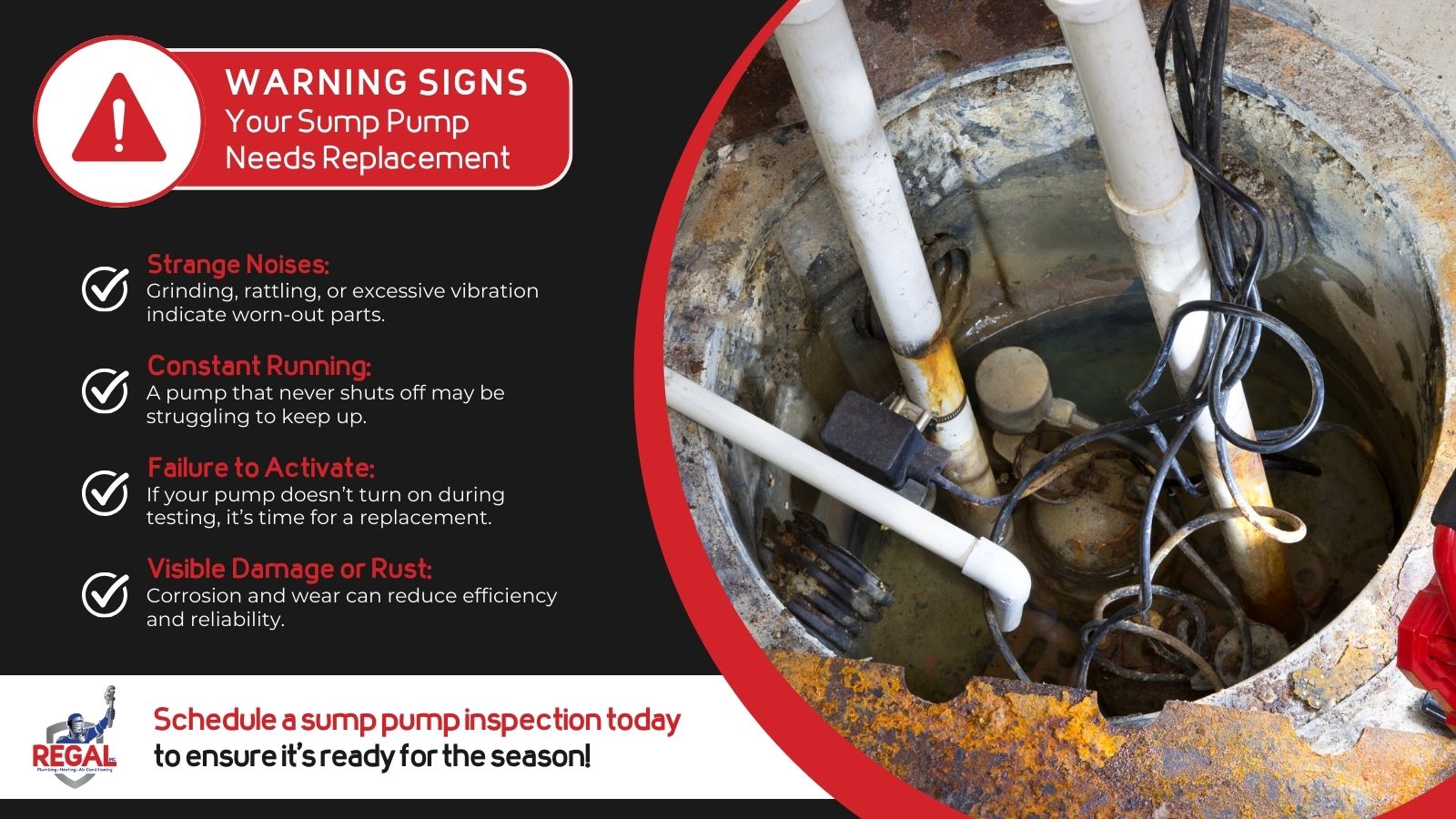
- Strange Noises: Grinding, rattling, or excessively loud operation. If your pump suddenly sounds like a tiny robot fighting a cat, it's time for a check-up.
- Constant Running: If it's running even without water to pump, or cycling on and off very frequently, something's amiss.
- Not Running At All: This is a big one! Test it by pouring water into the pit. If it just sits there, silently judging, Houston, we have a problem.
- Visible Rust or Corrosion: Take a peek. Rust, especially on electrical parts, is a huge red flag.
- Frequent Cycling: If it turns on and off very quickly, it might not be pumping efficiently or its float switch could be misbehaving.
Being Proactive: Your Basement Will Thank You!
Waiting for your sump pump to fail completely is like waiting for your car to run out of gas in the middle of nowhere before thinking about refueling. It’s stressful, inconvenient, and often costly. Being proactive means you can replace it on your terms, ideally during a dry spell when you're not in a panic, and you can shop for the best pump for your home.
Also, consider a battery backup sump pump! It’s like a superhero sidekick for your main pump, ready to jump into action if the power goes out during a storm. Because what's worse than a pump failure? A pump failure and a power outage!
The Takeaway: Keep Your Basement Dry and Happy
So, how often should you replace your sump pump? Aim for that 7 to 10 year window. But remember to listen to your pump, watch for warning signs, and consider how hard it works. A little attention and timely replacement can save you a mountain of headaches (and expensive repairs!). It’s a small investment for some seriously big peace of mind. Go forth, check your pump, and enjoy your dry, happy basement!