
How Much Vitamin D Do We Need A Day
Ever wondered why some days you feel like a sunbeam in human form, ready to tackle anything, while other days you're more like a grumpy vampire, craving only darkness and Netflix?
The answer might be simpler than you think: it could be about your vitamin D levels!
The Sunshine Vitamin: More Than Just a Tan
We all know that vitamin D is important, but let's be honest, it often gets lumped together with all the other vitamins in that alphabet soup of health advice.
Must Read
But vitamin D is special. In fact, it’s not even technically a vitamin! It’s a hormone, and our bodies can actually make it themselves, with a little help from our friendly neighborhood star – the sun!
Think of your skin as a solar panel, converting sunlight into this vital substance. Pretty cool, right?
So, How Much Sun Do We Really Need?
Ah, the million-dollar question! It's not as simple as saying, "Bake yourself in the sun for an hour every day," unfortunately.
Factors like your skin tone, the time of year, and even where you live on this big blue marble all play a role. Someone with darker skin, for instance, needs more sun exposure than someone with lighter skin to produce the same amount of vitamin D.
Think of it like this: melanin, the pigment that gives skin its color, acts a bit like sunscreen, naturally blocking some of the sun's rays.
And if you live in Seattle, well, you're basically in a perpetual state of twilight for half the year! More on that later.

The Numbers Game: Decoding the Daily Dose
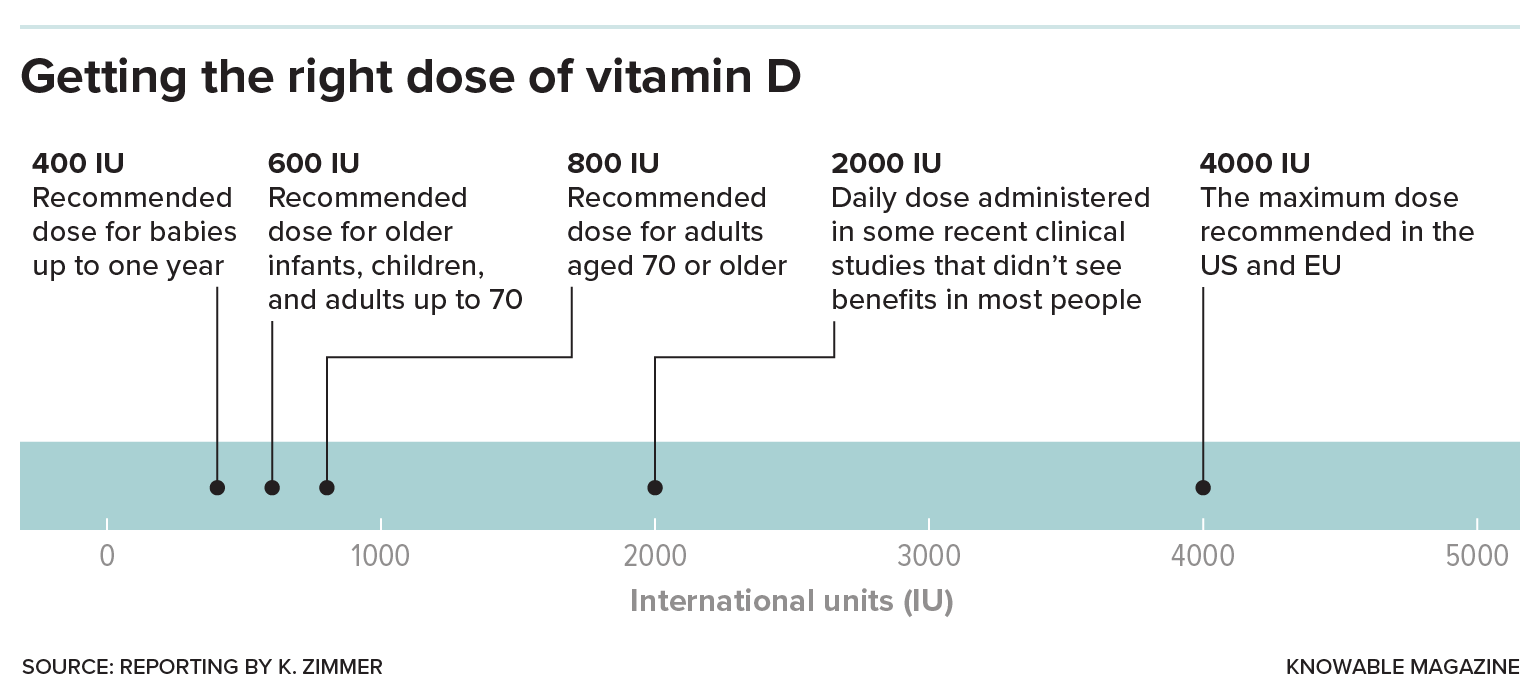
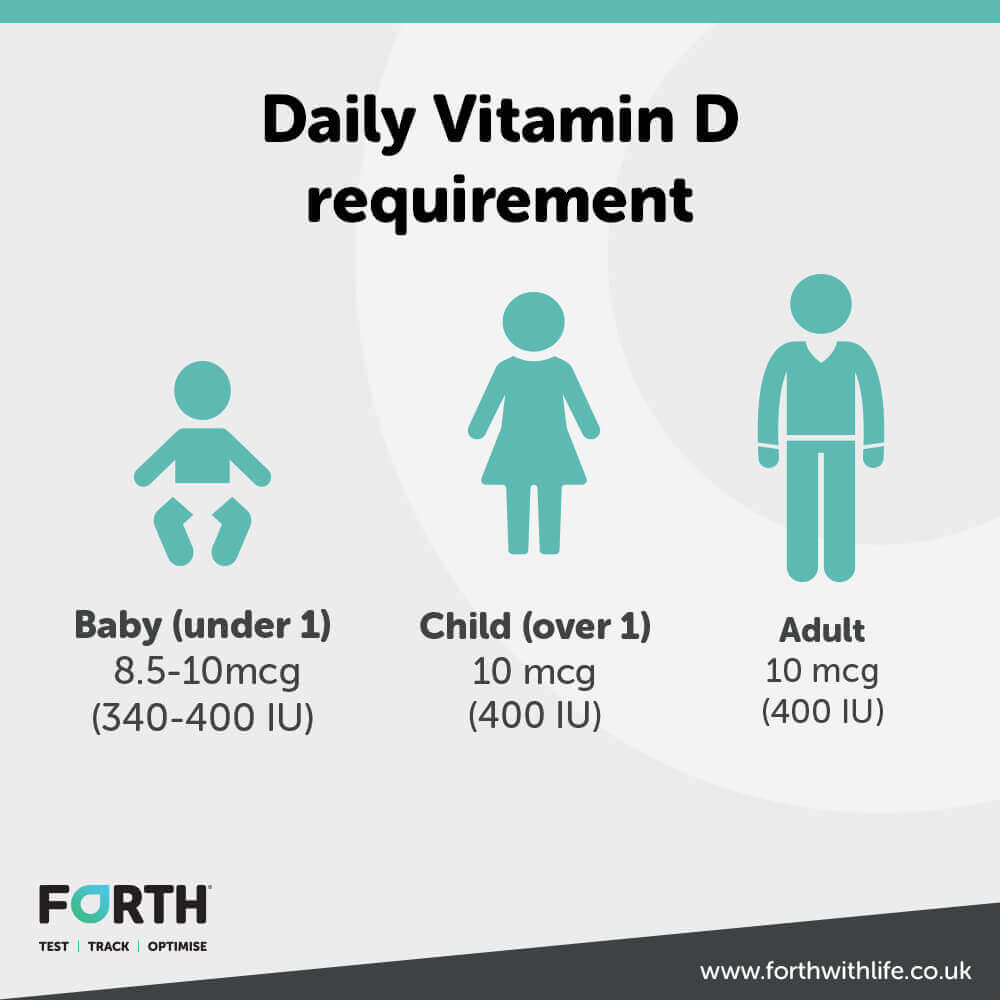
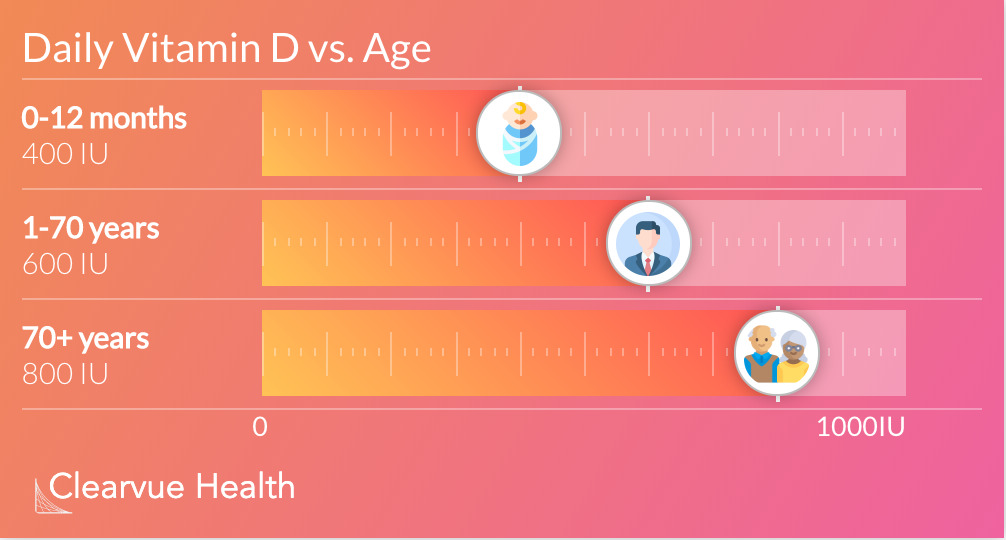
Okay, let's get down to brass tacks. The recommended daily intake of vitamin D is generally around 600 International Units (IU) for adults under 70.
However, that number can jump up to 800 IU for those over 70, as our bodies become less efficient at producing and absorbing vitamin D as we age.
Now, what does 600 IU even look like? It's not like you can hold it in your hand. That's where food and supplements come in.
Food, Glorious Food (and Supplements!)
Some foods are naturally rich in vitamin D. Think fatty fish like salmon, tuna, and mackerel. They’re like little sun-filled capsules of deliciousness!
Egg yolks also contain a bit of vitamin D, though not as much as fish. And then there are fortified foods, like milk, cereal, and orange juice, which have vitamin D added to them.
But here's the thing: relying solely on food to meet your vitamin D needs can be tricky. You'd have to eat a lot of salmon to hit that 600 IU mark every single day!

That’s where supplements come in. Vitamin D supplements are readily available in most pharmacies and grocery stores. They're an easy and reliable way to ensure you're getting enough of this vital nutrient.
Just remember, it's always a good idea to chat with your doctor before starting any new supplement regimen. They can help you determine the right dosage for your individual needs.
The "Sunshine State of Mind" (Even When There's No Sun)
Back to those of us living in perpetually cloudy locales! If you reside in a place with limited sunlight, especially during the winter months, supplementing with vitamin D becomes even more important.
Think of it as bringing your own personal sunshine indoors! It can help boost your mood, support your immune system, and keep those vampire cravings at bay.
But vitamin D isn’t just about warding off the winter blues.
The Superhero Sidekick: Vitamin D and Your Health
Vitamin D plays a crucial role in maintaining overall health. It helps your body absorb calcium, which is essential for strong bones and teeth.
It also supports your immune system, helping you fight off infections. Some studies even suggest that vitamin D may play a role in reducing the risk of certain chronic diseases.
In short, vitamin D is like that reliable superhero sidekick, always there to lend a helping hand (or, in this case, a helping hormone).
Too Much of a Good Thing?
While vitamin D deficiency is a common concern, it's also possible to get too much. Taking excessively high doses of vitamin D supplements can lead to a buildup of calcium in your blood, which can cause nausea, weakness, and other unpleasant symptoms.
This is why it's so important to talk to your doctor before starting any new supplement regimen, especially if you're already taking other medications. They can help you determine the right dosage for your individual needs and monitor your vitamin D levels if necessary.
Remember, moderation is key!
Listen to Your Body: The Ultimate Guide
Ultimately, the best way to determine how much vitamin D you need is to listen to your body and work with your doctor. Pay attention to how you feel. Do you often feel tired, weak, or achy? Do you get sick frequently? These could be signs of vitamin D deficiency.
A simple blood test can reveal your vitamin D levels, allowing your doctor to recommend the right course of action.
Think of your body as a finely tuned instrument. It's constantly giving you signals, letting you know what it needs to thrive. All you have to do is listen!
By understanding the importance of vitamin D and taking steps to ensure you're getting enough, you can unlock a world of health benefits, from stronger bones to a happier mood.
So go ahead, soak up some sunshine (responsibly, of course!), munch on some salmon, and consider adding a vitamin D supplement to your daily routine. Your body will thank you for it!
Remember, it's not just about surviving; it's about thriving! And vitamin D can be a key ingredient in your recipe for a vibrant and healthy life.
So, the next time you're feeling a little blah, consider the possibility that you might just need a little more sunshine in your life – either literally or in vitamin D form!