How Much Rain Is Needed To Cause A Flash Flood
Have you ever found yourself watching a really intense downpour, the kind where the rain just buckets down, and thought, "Wow, that's a lot of water!" It's easy to marvel at the sheer power of a strong rainstorm, but it also naturally leads to a curious question: how much rain is actually needed to cause a flash flood? It’s a super relevant question, especially with changing weather patterns, and it's surprisingly fun to dig into because the answer isn’t a simple number, but a fascinating blend of geography, timing, and human impact.
Understanding the dynamics behind flash floods isn't just an academic exercise; it has a profound purpose and many benefits for everyone. At its heart, it’s about safety. Knowing the conditions that lead to sudden, dangerous water surges can literally save lives and property. It helps us appreciate the intricate relationship between weather, our local environment, and how quickly things can change. This knowledge empowers us to make better decisions, whether it's planning a hike, choosing a campsite, or even just driving through a storm.
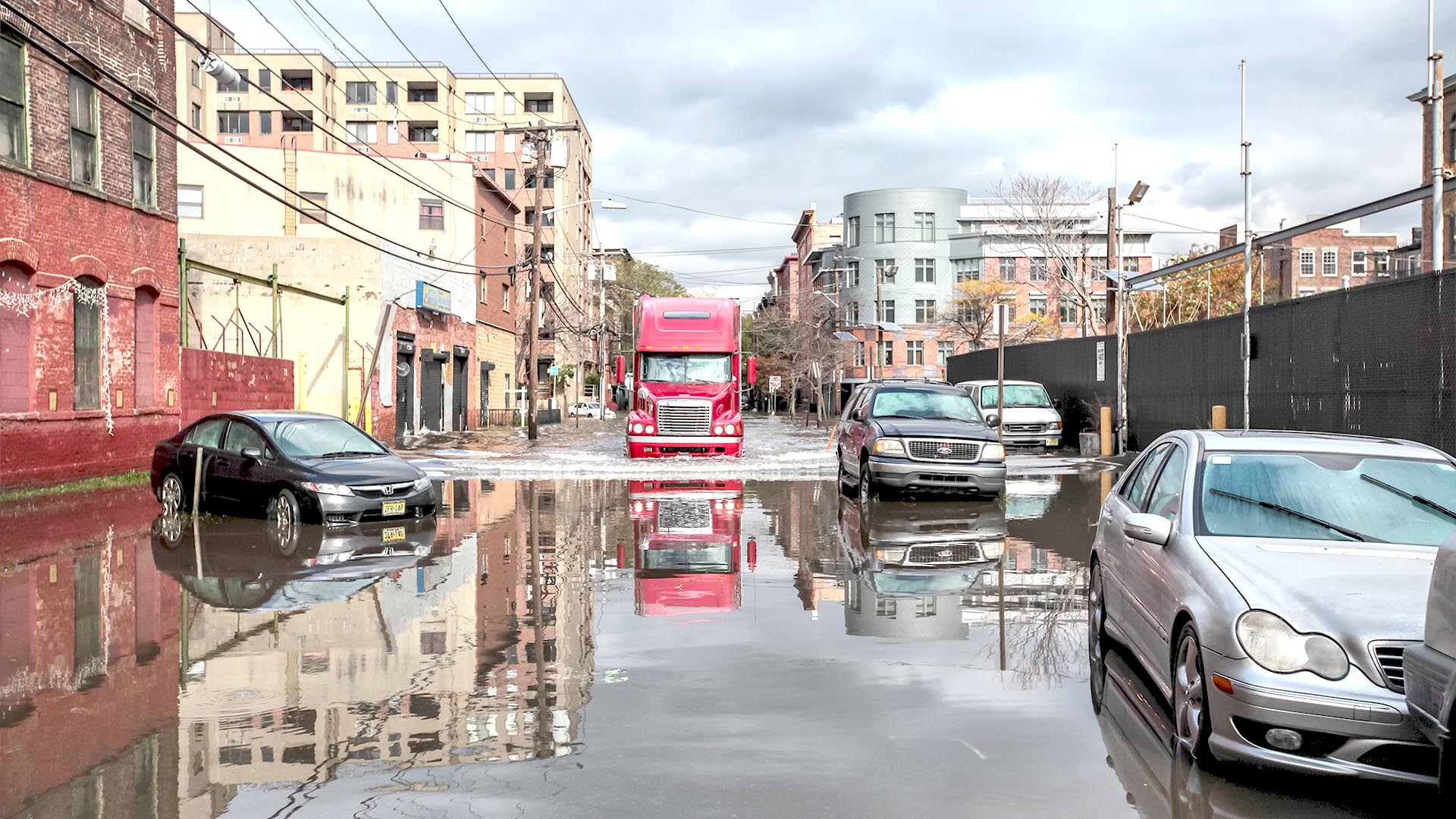
So, what's the magic number? The exciting, perhaps slightly frustrating, truth is: there isn't one universal answer. Flash floods are less about a specific amount of rain (say, X inches per hour) and more about a delicate combination of factors. Think of it like this: a desert canyon, with its hard, impermeable ground, might flash flood with just an inch of rain over 30 minutes because the water has nowhere to soak in and rushes downhill. Meanwhile, a lush, forested area with deep, absorbent soil might handle several inches of rain before any significant overland flow begins. Factors like soil saturation (is the ground already wet?), terrain steepness, the presence of vegetation, and even urbanization (concrete and asphalt prevent absorption) all play a huge role. Intense rain over a short period (high intensity) is often more dangerous than a long, steady drizzle, even if the total accumulation is the same.
Must Read
This understanding has practical applications in so many areas. In education, it’s a fantastic way to teach about watersheds, the water cycle, and environmental science. For emergency services, this knowledge is critical for issuing timely warnings and deploying resources. In daily life, hikers learn to avoid slot canyons during rainy seasons, urban planners consider permeable surfaces to reduce runoff, and we, as informed citizens, learn to heed flash flood watches and warnings, knowing that even a relatively small amount of rain can be problematic under the right conditions.
Want to explore this phenomenon yourself? Here are some simple, practical tips. First, pay attention to your local environment. Next time it rains heavily, observe where the water goes. Does it pool? Does it run off quickly? Check out the topography around your home or your favorite hiking spot. Is it steep? Are there natural channels? Second, get familiar with your local weather forecast and especially flash flood watches and warnings. These aren't just generic alerts; they're based on expert analysis of local conditions. Finally, remember the simple mantra: "Turn around, don't drown." Never drive or walk through floodwaters. By being curious and observant, you'll not only gain a deeper appreciation for the power of nature but also become a more prepared and safer individual.