How Much Glycine Is In Magnesium Glycinate
Okay, let's talk magnesium glycinate. We’ve all seen it touted as the holy grail for better sleep, reduced anxiety, and muscle relaxation. But what exactly is it? And, more importantly for our purposes today, just how much glycine is hitching a ride in each dose?
Think of magnesium glycinate like a celebrity power couple. Magnesium, the essential mineral we all know and (hopefully) love, is bound to glycine, an amino acid. This pairing is what makes magnesium glycinate so bioavailable, meaning your body can actually absorb and use it more effectively than other forms of magnesium, like magnesium oxide (which is basically just…less effective).
Decoding the Glycine Content
Now, for the million-dollar question: how much glycine are we actually getting? This isn't always straightforward, because supplement companies aren't required to list the exact glycine content. Tricky, right?
Must Read
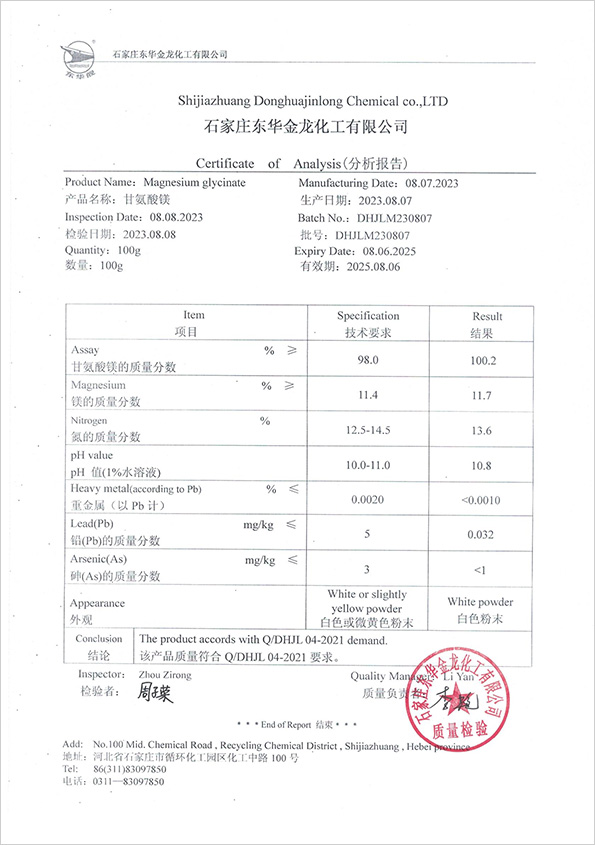
Here's the gist: magnesium glycinate is a molecule made up of one magnesium atom and two glycine molecules. This means a significant portion of the supplement's weight comes from glycine. The actual percentage varies a bit based on the manufacturing process and the specific brand. However, a good rule of thumb is that roughly 60-80% of the magnesium glycinate compound by weight is glycine.
Let’s break it down with an example. If your supplement label states that each capsule contains 500mg of magnesium glycinate, you can estimate that somewhere between 300mg and 400mg of that is glycine. Keep in mind this is just an estimate; contacting the manufacturer directly is always the best way to get the precise glycine content.
Why Glycine Matters (Beyond the Magnesium Boost)
So, you’re getting magnesium, great. But why should you even care about the glycine? Well, glycine isn't just a vehicle for magnesium. It's a superstar in its own right! It boasts a range of benefits, from improving sleep quality to supporting liver detoxification and even boosting collagen production.
Think of it this way: While you're taking magnesium glycinate to chill out before bed, that extra glycine is also quietly helping your body repair and rejuvenate overnight. It’s like a multitasking superhero working while you dream.
Practical Tips for Choosing Your Magnesium Glycinate
- Read the label carefully: Look for supplements that clearly state "magnesium glycinate" (also sometimes called "magnesium bisglycinate").
- Check the dosage of elemental magnesium: This is the amount of actual magnesium your body will absorb. Aim for a dose that aligns with your individual needs and consult with your doctor if you're unsure.
- Consider third-party testing: Look for certifications from organizations like USP, NSF International, or ConsumerLab.com. This ensures the supplement has been independently tested for purity and potency.
- Don't be afraid to contact the manufacturer: If you're curious about the specific glycine content, reach out to the company directly. A reputable company will be happy to provide this information.
Bonus tip: ever noticed that warm milk before bed is often recommended for better sleep? Milk contains both tryptophan (which helps produce melatonin) and…you guessed it, glycine! It’s not just an old wives' tale; there's some science behind it.
The Glycine-Magnesium Connection: A Modern Ritual
Incorporating magnesium glycinate into your routine can feel like a small act of self-care in our increasingly hectic world. It's about more than just chasing a quick fix; it's about nurturing your well-being from the inside out. Like lighting a candle, doing a skincare routine, or brewing a cup of herbal tea, taking magnesium glycinate can become a mindful ritual that signals to your body that it's time to unwind and prepare for rest.
By understanding the glycine content of your magnesium glycinate supplement, you're not just another consumer; you're an informed participant in your own health journey. And that's something to feel good about. So, the next time you reach for that magnesium glycinate, remember you're not just boosting your magnesium levels – you're also giving your body a dose of glycine goodness.