
How Much Does It Cost To Empty Septic Tank

Alright, let's talk about something that probably isn't the star of your dinner party conversations but is secretly one of the most important, and often overlooked, unsung heroes of your home: your septic tank. Yes, we're diving into the delightful world of what happens after you flush. And, more importantly, how much does it cost to empty that bad boy?
Let's face it, nobody wants to think about their septic tank until there's a problem. It's like that mysterious relative who lives in the basement – you know they're there, hopefully doing their job, but you really don't want to get too close. But just like that relative eventually needs their snacks replenished (or their room tidied), your septic tank needs some regular attention. Ignoring it is like ignoring a tiny gurgle in your car engine; eventually, it becomes a much louder, more expensive problem!
Why Do We Even Have These Things?
For those of us not connected to a municipal sewer system, our septic tank is our own personal, underground wastewater treatment plant. Every time you shower, wash dishes, or… you know… flush, all that wastewater flows into a large, watertight container buried in your yard. Here, solids settle to the bottom (forming sludge) and lighter materials like grease float to the top (forming scum). The liquid in the middle, called effluent, then flows out into a drain field where it's naturally filtered by the soil.
Must Read
Think of it like this: your septic tank is a diligent, though rather smelly, bouncer at a very exclusive club. It lets the clean-ish liquid through to the next party (the drain field) but keeps all the riff-raff (the solids and grease) contained. Over time, that "riff-raff" builds up. And when it gets too full? Well, that's when the bouncer gets overwhelmed, and the party gets really messy, potentially backing up into your house. Yuck! So, emptying it is less about "spending money" and more about "preventing a domestic disaster movie starring your toilet."
Show Me the Money: What's the Damage?
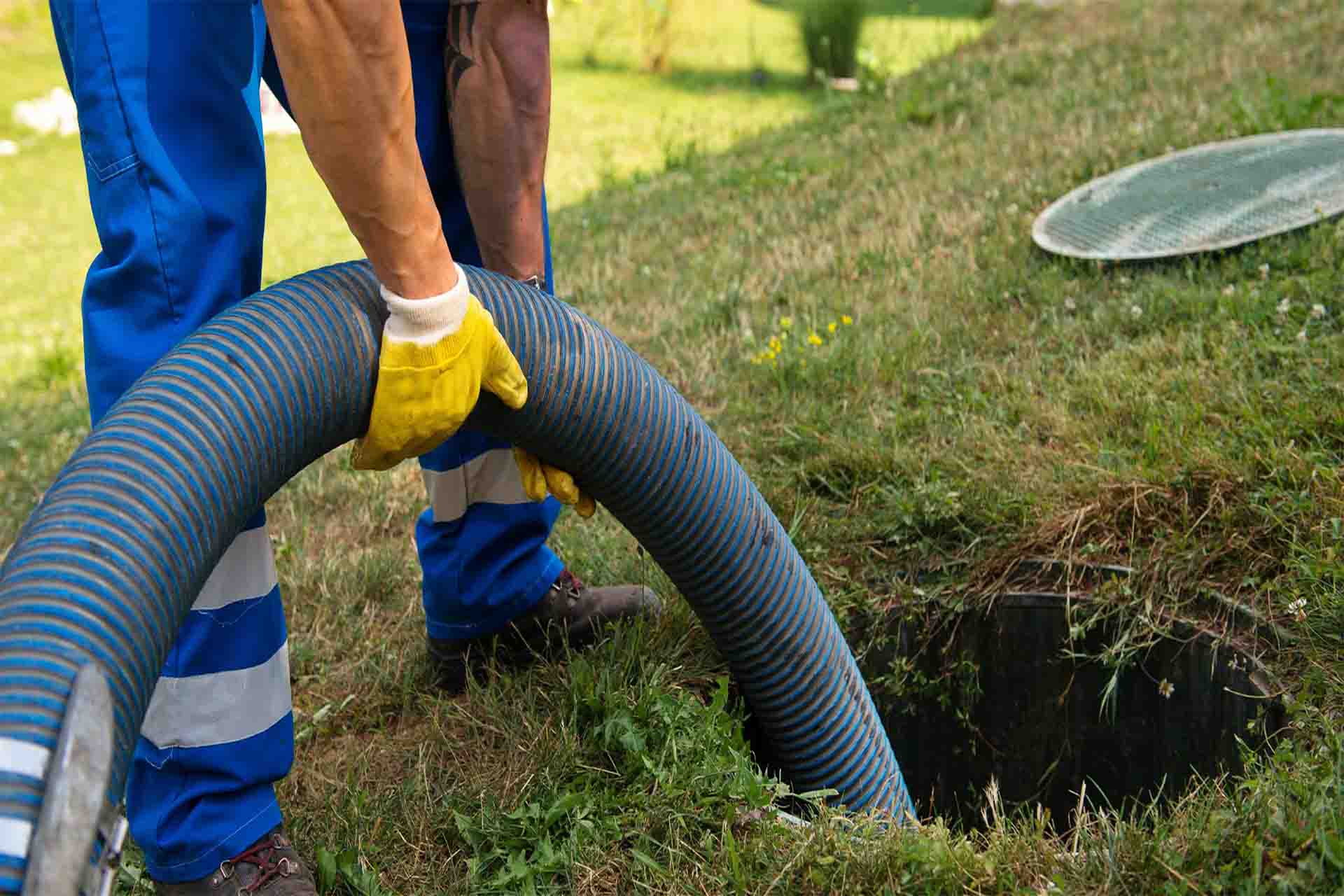
Okay, let's get down to the nitty-gritty. How much does it cost to have a big vacuum truck come to your house and suck out all the... history? Generally, you can expect to pay anywhere from $300 to $600 for a routine septic tank pump-out. But just like buying groceries, there are a few things that can make that price tag wobble a bit.

1. Tank Size: This is probably the biggest factor. Septic tanks come in different sizes, typically from 1,000 to 1,500 gallons for a standard home. A bigger tank means more... stuff... to remove, which naturally takes more time and resources. It's like filling a small kiddie pool versus an Olympic-sized one – bigger job, bigger bill.
2. Frequency of Pumping: Are you a planner, or do you live life on the edge? Pumping your tank every 3-5 years (as recommended) for maintenance is usually cheaper than calling someone in a panic when your toilets are staging a revolt. An emergency service call often comes with a premium, especially on weekends or holidays. Think of it as paying extra for same-day delivery when you could have ordered online days ago.
3. Location, Location, Location: Are you deep in the woods, requiring a long drive for the pumping truck? Or are you right off the main road? Remote areas or places difficult to access might incur an extra travel fee. Also, regional pricing can vary, just like a latte costs different amounts depending on the city.
4. Ease of Access to the Lid: Is your septic tank lid conveniently located and easy to uncover? Or is it buried under two feet of dirt, your prize-winning rose bush, and that garden gnome you've been meaning to move? If the pros have to spend time digging around like archaeologists on a dig, you might see an extra charge. Make it easy for them, and they'll make it easy on your wallet!
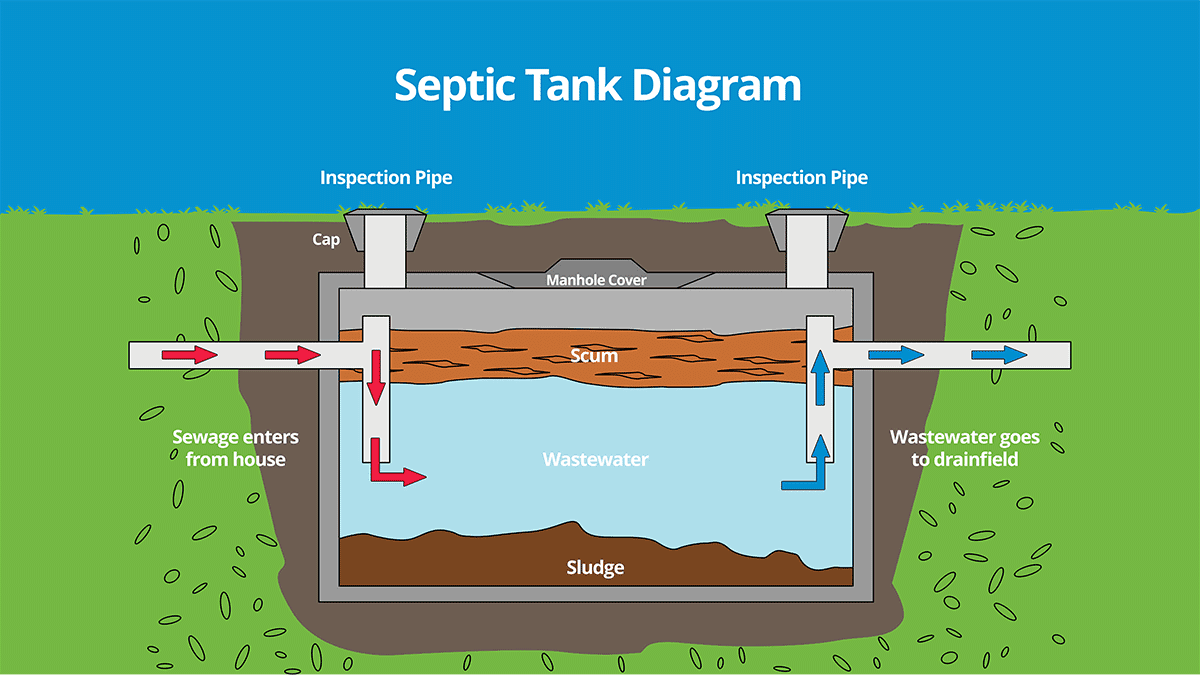
5. The "Oh No!" Factor (Emergencies & Repairs): If you've waited so long that your tank is completely overflowing, or there's a blockage, or issues with your baffles (internal components), then you're looking at more than just a pump-out. You might need repairs or specialized cleaning, which will definitely bump up the cost. This is the equivalent of needing an entire engine overhaul instead of just an oil change.
Why Should You Even Care (Besides the Smell)?
Beyond avoiding a truly epic, foul-smelling disaster in your yard (which, let's be honest, is reason enough!), there are some compelling, fun-to-think-about reasons to keep your septic tank happy:
- Protect Your Investment (Your Home!): Your home is likely your biggest asset. A failing septic system can cause significant damage to your property, both inside and out. It can destroy your lawn, ruin landscaping, and even damage your home's foundation. Plus, try selling a house with a known septic problem – it's a huge red flag for buyers! Keeping up with maintenance is like giving your house a health check-up.
- No More "Poo-Nami" in Your Backyard: This isn't just a funny phrase; it's a nightmare scenario. Imagine sewage backing up into your toilets, sinks, and showers. Or worse, bubbling up from your lawn. Not only is it disgusting and a health hazard, but the cleanup costs are astronomical. Regular pumping is your superhero cape against a smelly catastrophe.
- Be a Good Neighbor (and Global Citizen): An overflowing septic tank isn't just your problem. It can contaminate local groundwater, pollute nearby streams or lakes, and create a truly unpleasant environment for everyone. Think of it as contributing to the greater good, one pumped tank at a time!
- Peace of Mind: Knowing your septic system is humming along efficiently offers a surprising amount of peace of mind. No more worrying every time someone flushes! It's like knowing you have enough milk in the fridge – a small thing, but it prevents a morning panic.
Smart Tips to Keep Costs Down and Septic Happy:
- Schedule Regular Pump-Outs: Mark it on your calendar, set a recurring reminder on your phone. Most experts recommend every 3-5 years, depending on your tank size and household usage. Be proactive, not reactive!
- Watch What You Flush: Your septic tank is not a magical black hole for anything and everything. Avoid flushing "flushable" wipes (they're not!), feminine hygiene products, excessive grease, harsh chemicals, or non-biodegradable items. Think of your septic tank as having a very sensitive stomach.
- Conserve Water: Less water used means less wastewater entering your tank. Shorter showers, efficient appliances, and fixing leaky faucets all help extend the life of your system.
- Know Your System: Find out where your tank and drain field are located. Keep heavy vehicles off the drain field, and avoid planting trees with aggressive roots nearby.
- Get Multiple Quotes: Don't just call the first company you find. Get a few estimates to ensure you're getting a fair price.
So, while emptying your septic tank isn't exactly a thrilling topic, it's a crucial part of homeownership. It's an investment in your home's health, your family's well-being, and preventing a whole lot of stinky, expensive trouble. Think of it as giving your hardworking underground buddy the spa day it deserves. Your nose, your wallet, and your peace of mind will thank you!
