How Much Did Lucy Charge For A Psychiatric Session
Hey there, friend! Ever wondered about the inner workings of a psychiatrist's office, specifically, the iconic (and fictional) Lucy Van Pelt's? Let's dive into the burning question: Just how much did Lucy charge for her psychiatric services? Buckle up, because the answer is... well, it's complicated!
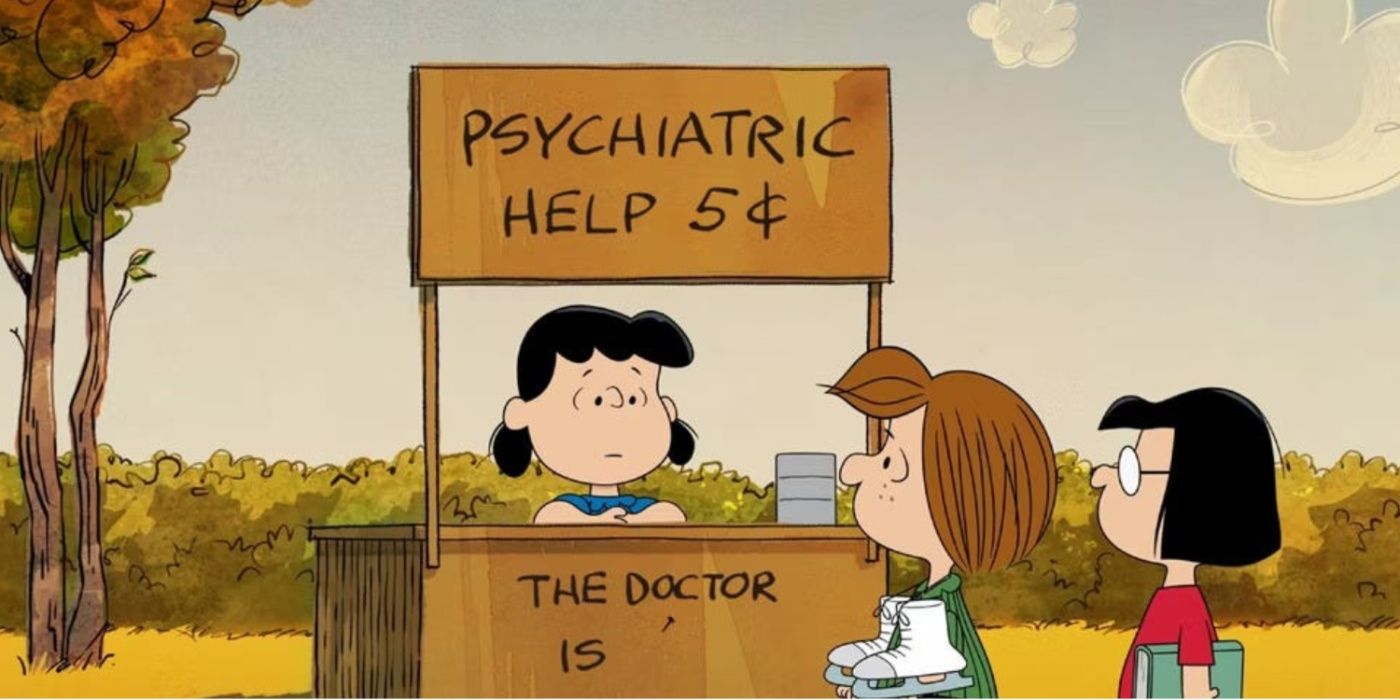
Now, if you’re thinking of Lucy as a legitimate medical professional, let's just say her credentials were a little... ahem... unconventional. We're talking a lemonade stand masquerading as a psychiatric booth, decorated with a hand-drawn sign. So, expecting a bill that aligns with, say, a Harvard-educated therapist? Probably not. More like "Harvard... Street Corner" levels of expertise.
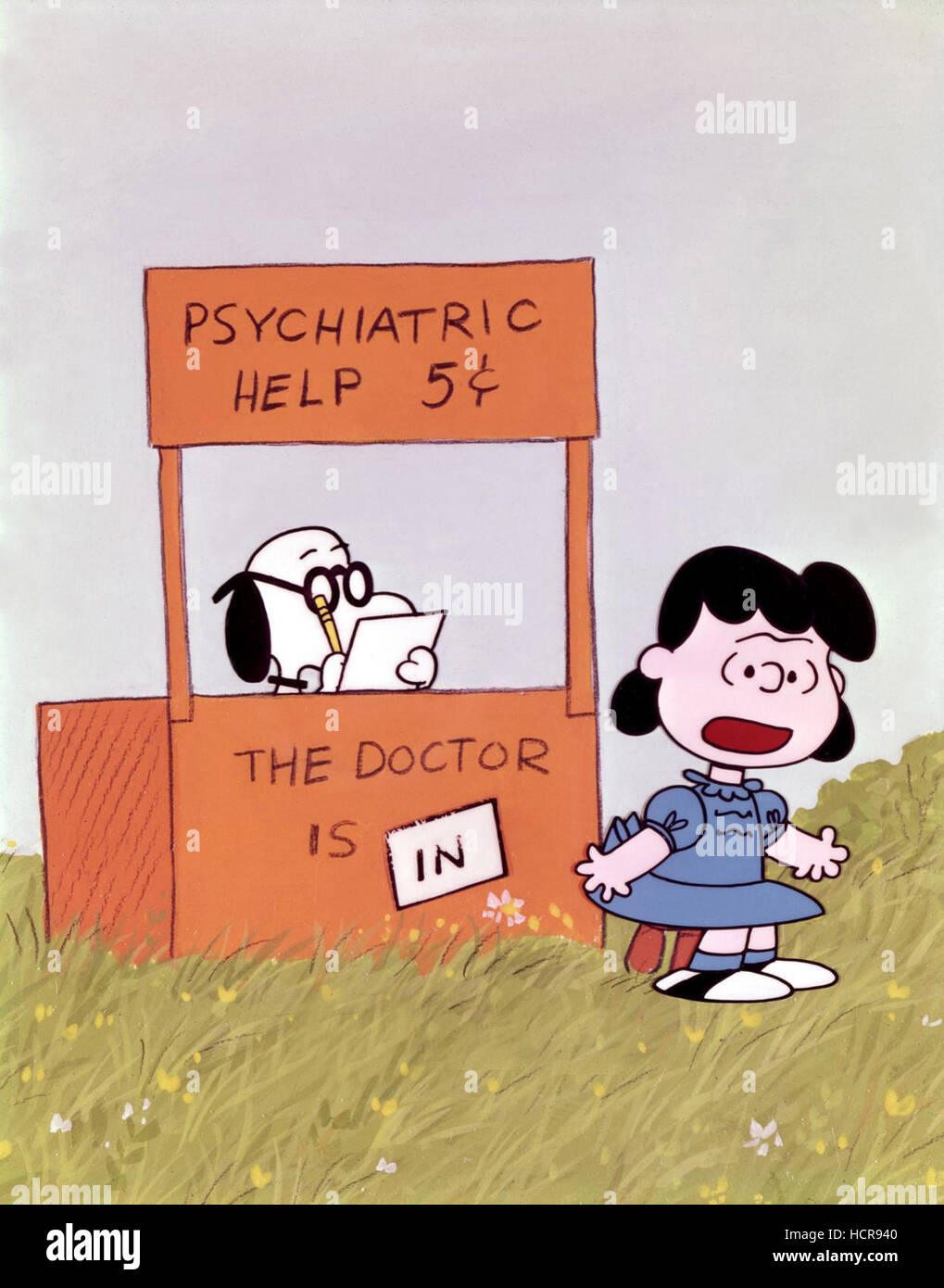
Through the Peanuts comic strip and TV specials, Lucy's price remained remarkably consistent: 5¢ a session. Yes, you read that right. Five. Cents. You could practically find that amount between the couch cushions!
Must Read
But wait! There's a catch! (Isn't there always?) Lucy's diagnosis? Pretty much always the same: "You're depressed!" or some variation thereof. Her advice? Equally generic: "Snap out of it!" or "You need to be tougher!" For five cents, you weren't exactly getting personalized, in-depth therapy, were you?
What You Got for Your Nickel
Think of it like this: for five cents, you weren't buying therapy; you were buying access. Access to Lucy's… unique brand of "wisdom." Access to a listening ear (though she might be more interested in your nickel). And access to the potential for a witty (if sometimes harsh) retort. Let's be honest, half the entertainment was in the delivery!

It's important to remember the context. This was a comic strip, after all, reflecting the humor of childhood. Imagine trying to run a real psychiatric practice on a nickel per patient! You'd be bankrupt faster than you can say "cognitive behavioral therapy!"
Adjusting for Inflation
Okay, let's get really nerdy for a moment. If we adjust five cents for inflation from, say, the 1950s (when Peanuts really took off) to today, it's still... not much! We're talking somewhere around 50-60 cents. Still less than a gumball! You'd spend more on the gas to drive to her "office".
So, Lucy wasn't exactly raking in the dough. But that wasn't the point, was it? The point was the humor, the absurdity, and the relatable struggles of the Peanuts gang.
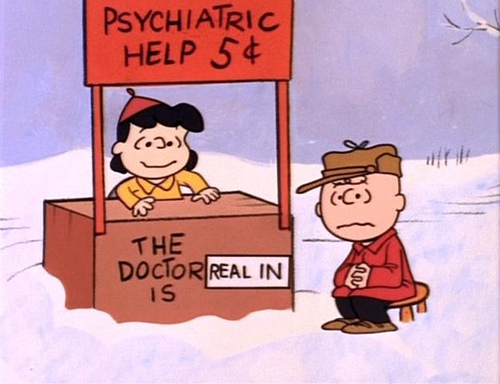
Think about it: Charlie Brown constantly seeking advice from Lucy, despite knowing her "help" usually consisted of insults and pronouncements. It's a comedic loop that resonates because, in a way, we've all been there. Seeking answers, even when we suspect they won't be pretty. (Or helpful.)
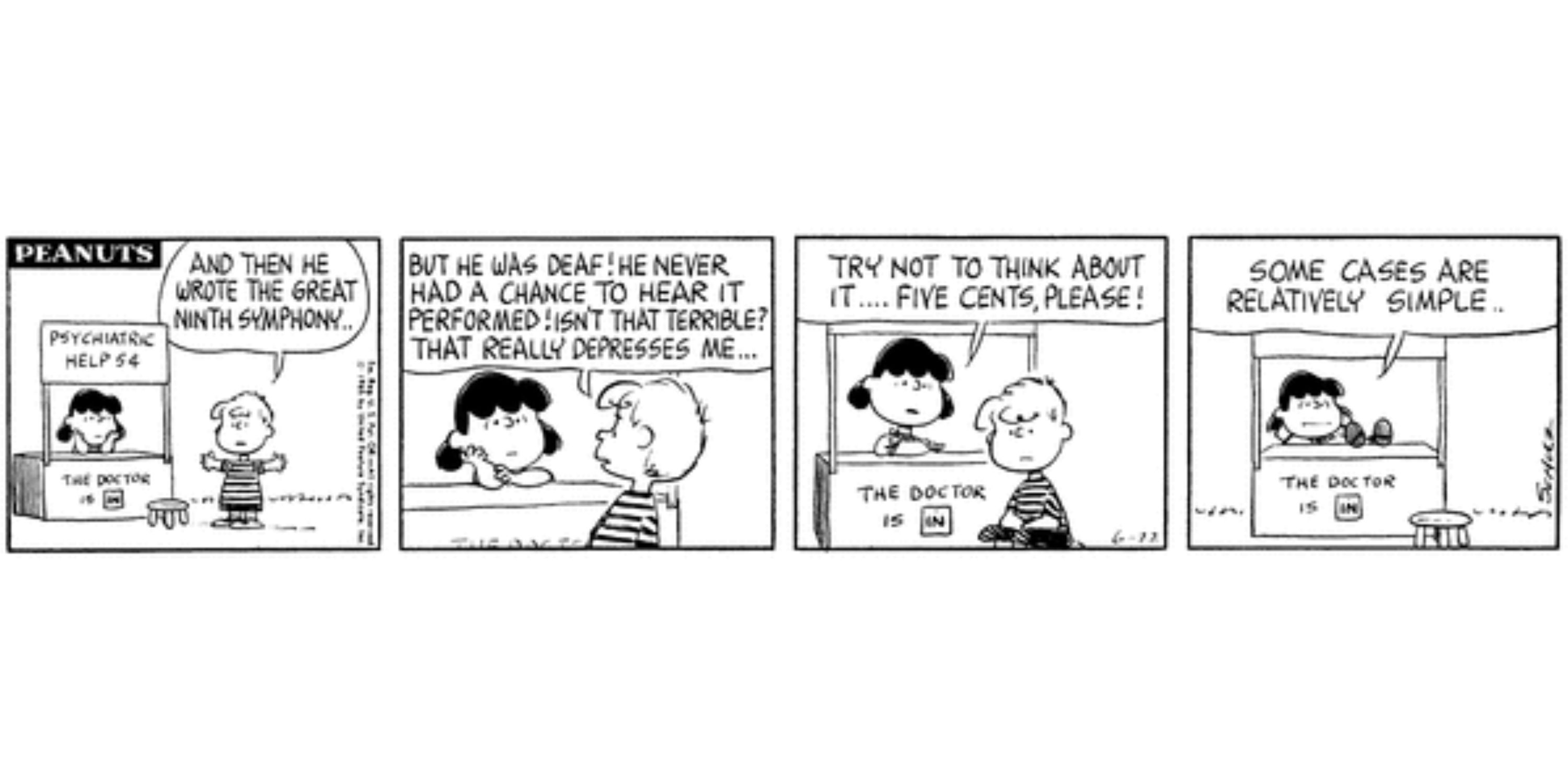
Plus, let's be real: It's hard to argue with that price point! Even if her methods were… questionable. It’s a tempting deal for the perpetually anxious Charlie Brown. Five cents for a quick fix, even if it's just a temporary distraction from his existential dread. He's probably thinking, "At least it's cheaper than Linus's blanket!"
The Real Value of Lucy's Sessions
Ultimately, the "value" of Lucy's sessions wasn't in the monetary cost, but in the humor and the commentary on human nature. The strip taught us about anxieties, insecurities, and the often-comical ways we try to cope with them. It also highlighted the importance of friendship, even when those friendships involve a five-cent psychiatrist with a less-than-stellar bedside manner.
In conclusion: While Lucy's five-cent psychiatric sessions wouldn't exactly cover your rent, they did provide generations with laughter and a gentle reminder that it's okay to feel a little blue sometimes. And, hey, maybe all you really need is a friend (who might charge you a nickel to tell you to get over it!). So, the next time you're feeling down, remember Lucy, and remember that sometimes, a little laughter is the best medicine – even if it comes with a side of sass.