
How Many Paragraphs Are In An Essay
Okay, let's talk essays! And specifically, let's tackle a question that's probably plagued you at least once (probably more, let's be honest!): How many paragraphs should be in an essay? The answer? It's…well, it's not as scary as you think! In fact, it's kind of liberating!
Forget rigid rules for a second. We're going to embrace the power of the paragraph and learn how to use them to make your writing shine.
The Myth of the Magic Number
Seriously, there's no magical "five-paragraph essay" fairy sprinkling dust on perfectly structured arguments. The idea that essays must be exactly five paragraphs is a myth. While it can be a helpful starting point, especially when you're first learning, it's not the be-all and end-all. Don't let it box you in!
Must Read
Think of it this way: You wouldn't tell a painter they have to use five colors, right? Or a musician they must write a song in a specific length? The paragraph count should serve your argument, not the other way around.
Paragraphs: Building Blocks of Brilliance
Paragraphs are like the building blocks of your essay. Each one should focus on a single, clear idea or point. It’s like a mini-argument within the bigger argument! Think of each paragraph as a little stage where one particular actor (your idea) gets to shine.
Ask yourself, "What am I trying to say in this specific part of my essay?" The answer to that will often dictate whether you need a new paragraph. Is it a new facet of your argument? A counter-argument you need to address? A fresh example to illustrate your point? Then bam! New paragraph time.
Finding Your Flow: A Few Guidelines
Okay, so there’s no magic number, but here are some helpful guidelines to keep in mind. These are more like friendly suggestions than strict rules, promise!
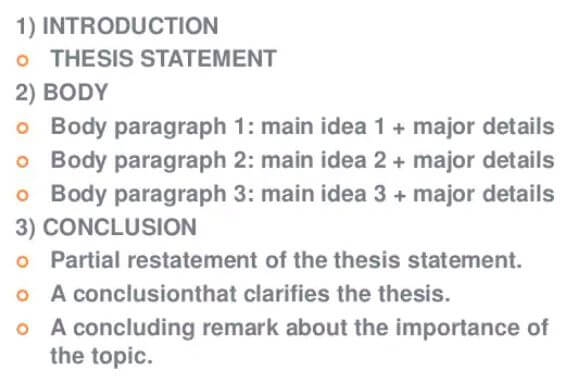
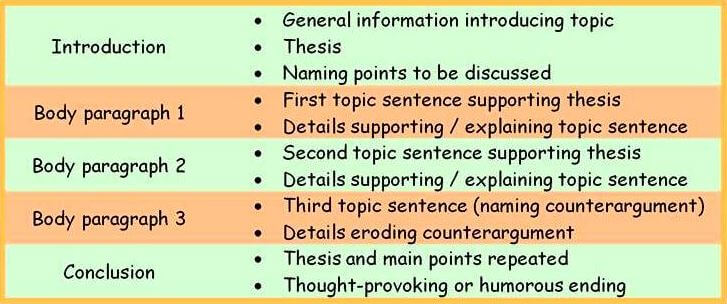
- Introduction: This is where you introduce your topic, grab the reader's attention, and state your thesis. Usually, this is one, maybe two paragraphs.
- Body Paragraphs: These are the meat and potatoes of your essay, where you develop your arguments, provide evidence, and explain your reasoning. This section will have the most variation in the number of paragraphs. Remember, one paragraph = one main idea!
- Conclusion: Here, you summarize your main points, restate your thesis in a fresh way, and leave the reader with a lasting impression. Usually, this is one, maybe two paragraphs.
See? Not so scary! The key is clarity and coherence. Make sure each paragraph has a clear topic sentence, supports that sentence with evidence, and transitions smoothly to the next paragraph.
Paragraph Length: Quality Over Quantity
Just as important as the number of paragraphs is their length. A wall of text is intimidating! Break it up! Think about your reader. You want to keep them engaged, not overwhelm them.
![Opinion Essays [IELTS Writing Task 2] - TED IELTS](https://ted-ielts.com/wp-content/uploads/2022/09/Typical-Essay-Structure-4-Paragraphs.png)
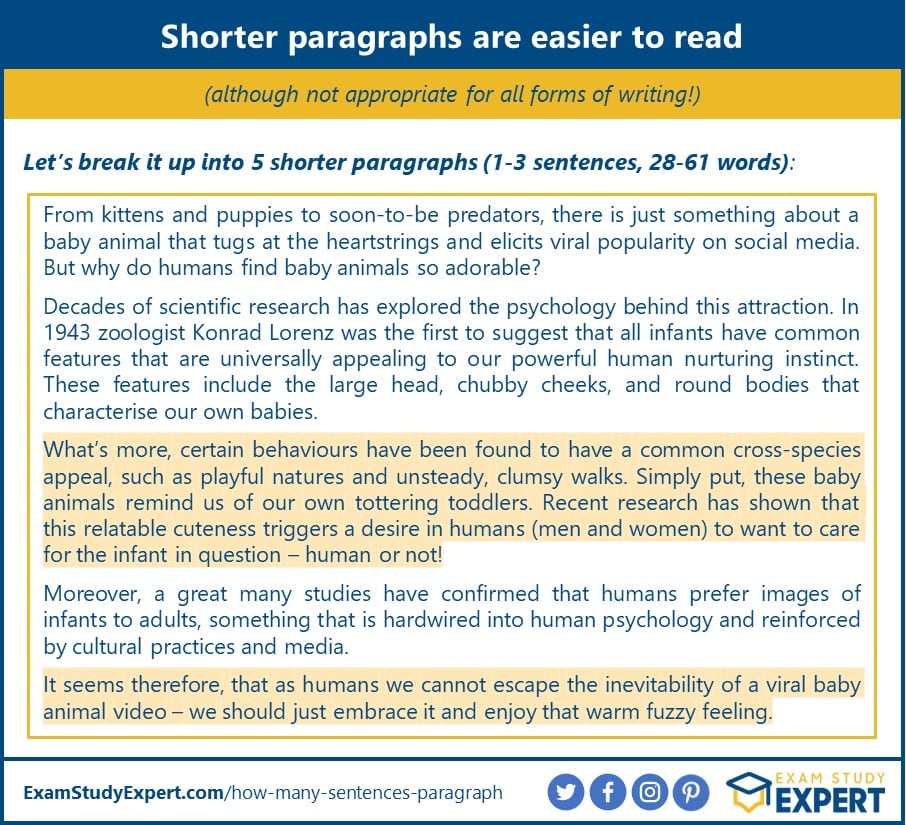
Aim for paragraphs that are a reasonable length. Too short, and they feel choppy and underdeveloped. Too long, and they become dense and hard to follow. Somewhere in the 3-7 sentence range is often a good starting point, but trust your gut!
Also, consider the visual appeal! Think of it like interior design for your essay. White space helps readers breathe and prevents eye strain. Break up long paragraphs if they feel overwhelming, even if the logic of the argument seems to flow through.
Embrace the Essay Adventure!
Ultimately, the number of paragraphs in your essay should be dictated by the complexity of your argument and the needs of your reader. Don't be afraid to experiment! Try different paragraph structures, see what works best for you, and most importantly, have fun with it!
Writing essays doesn't have to be a chore. It's an opportunity to explore ideas, express yourself, and develop your critical thinking skills. So, go forth and write! Don't be afraid to break the "rules" (because, let's be honest, they're not really rules anyway!). Find your own voice, and let your paragraphs tell your story.
Ready to level up your essay game? There are tons of amazing resources online and in libraries that can help you refine your writing skills. Explore, experiment, and discover the joy of crafting compelling arguments. The world of words awaits!