
How Many Nuclear Power Plants Are In United States

Hey there, curious minds! Ever find yourself scrolling through TikTok or just staring out the window, and suddenly a random, slightly profound question pops into your head? Maybe something like, "How much energy do we actually use?" or even better, "Where does all that electricity come from?"
If you're anything like me, your brain probably jumps to all sorts of cool stuff: giant wind turbines spinning gracefully, vast fields of shiny solar panels soaking up the sun, or maybe even those super-dramatic hydroelectric dams. But what about nuclear power? It's often talked about with a bit of a hush, sometimes even a slight shiver, conjuring images straight out of a sci-fi movie.
But let's be real, nuclear power isn't about giant, glowing monsters or secret underground lairs. It's actually a pretty fascinating, super-efficient, and surprisingly common part of our energy mix. And it’s been quietly humming along, powering our homes and lives for decades. So, let’s peel back the curtain a bit and answer that burning question: How many nuclear power plants are actually in the United States?
Must Read
The Big Reveal: A Fleet of Silent Powerhouses
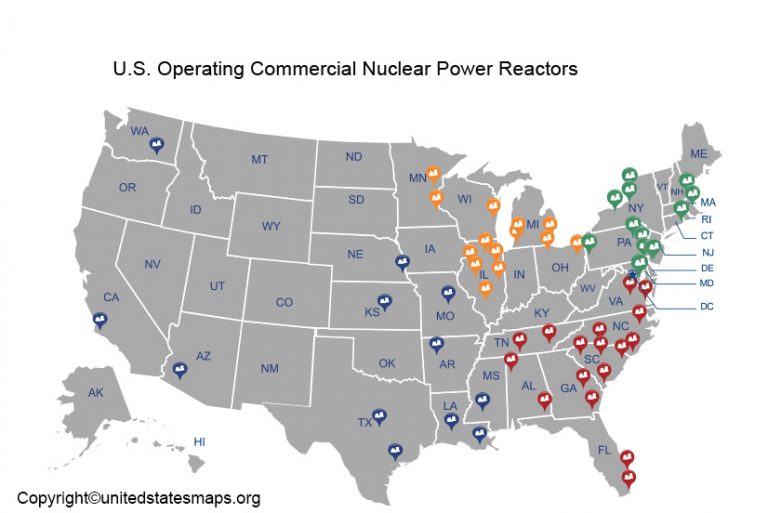
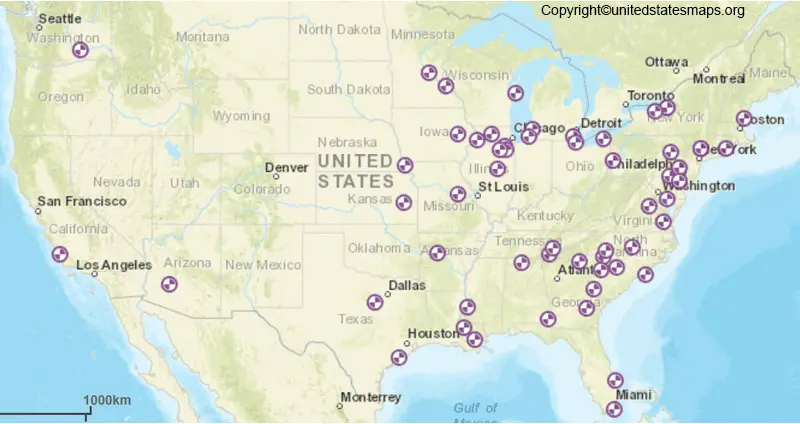
Alright, drumroll please! As of early 2024, the United States is home to a rather specific number of operational nuclear reactors: 93 of them! These 93 reactors are housed within 54 distinct nuclear power plants spread out across 28 states. Isn't that a neat number?
Think of it like this: If you were building a super-efficient, super-reliable fleet of energy-generating machines, you wouldn't just have one or two. You'd have a whole team, right? That's what these plants represent – a dedicated team working around the clock to keep the lights on.
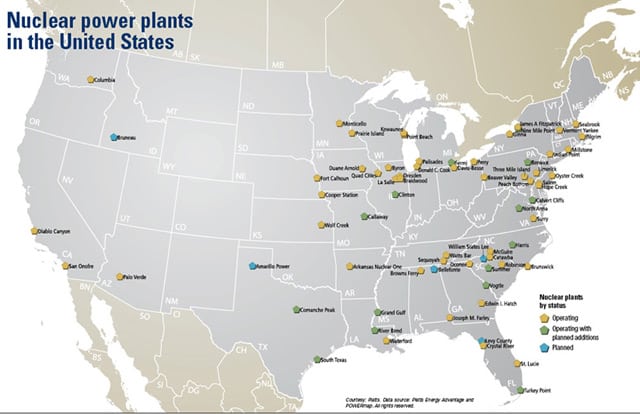
Now, 93 might not sound like a huge number compared to, say, the thousands of gas stations or grocery stores. But remember, these aren't just any old facilities. Each one is a marvel of engineering, capable of generating a staggering amount of electricity.
Why So Few (But So Mighty)?
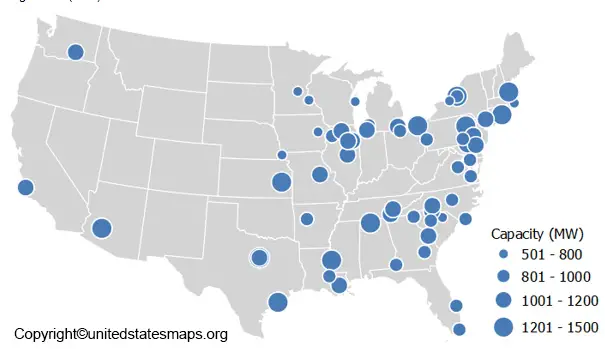
You might be thinking, "Only 54 plants for a country as massive as the U.S.? That seems kinda low!" And it's a fair thought. But here’s where nuclear power really shines: its sheer power density. These plants are incredibly efficient at turning a small amount of fuel into a massive amount of electricity.
Consider this fun comparison: To generate the same amount of electricity as a typical nuclear plant, you'd need:
- A coal plant that burns through about 2.5 million tons of coal a year (imagine the train cars!).
- Or a solar farm covering about 20,000 football fields.
- Or a wind farm with roughly 430 massive turbines.
Pretty wild, right? A single nuclear reactor can power millions of homes, continuously, 24/7, for months on end without needing to refuel. It's like having a tiny, super-powerful battery that lasts forever (almost!). This is why they’re often called "baseload" power – they provide a constant, reliable stream of energy, no matter the weather, no matter the time of day.
Beyond the Numbers: What Makes Them Cool?
So, beyond just being numerically interesting, what’s the big deal about these plants?
First off, they produce zero carbon emissions during operation. That's a huge win for our planet! While building and fueling them has an environmental footprint, the actual process of generating electricity doesn't release greenhouse gases into the atmosphere. This makes them a critical component in our journey towards a cleaner energy future.
Secondly, they're incredibly reliable. Have you ever noticed how your lights don't flicker just because the sun went down or the wind died? A lot of that credit goes to nuclear power, which consistently churns out electricity. It's like the steady, dependable friend in your energy portfolio, always there when you need it.
And let’s not forget the technology! Modern nuclear power plants are built with multiple layers of safety systems, designed to withstand all sorts of challenges. Engineers are constantly innovating, too, with exciting developments like Small Modular Reactors (SMRs) on the horizon. These are smaller, more flexible reactors that could be built in factories and deployed where needed, making nuclear power even more accessible and adaptable.
Where Are They Hiding? (Not Really Hiding!)
You might not see them from your backyard, and that's usually by design. Nuclear power plants are often located in more rural areas, typically near large bodies of water (which they need for cooling). Many are situated in the eastern half of the U.S., but you'll find them scattered across the country, from California to Florida, Illinois to South Carolina.
Each plant is a hub of skilled professionals – engineers, technicians, safety experts – all working together to ensure everything runs smoothly and safely. It's a testament to human ingenuity and our continuous quest for better, more sustainable ways to power our world.
So, What's the Takeaway?
Next time you flip a light switch or charge your phone, take a moment to appreciate the vast, complex, and often unseen world of energy generation that makes it all possible. Our 54 nuclear power plants, with their 93 reactors, are quietly playing a massive role in keeping our modern lives humming along.
They might not always be the flashiest part of the energy conversation, but they're certainly one of the most powerful and intriguing. Who knew that asking a simple question could lead to such a cool dive into how our world is powered?