How Many Kw To Run A House
Ever stared at your electricity bill, a mix of curiosity and dread bubbling up, and wondered, "Exactly how much power does my humble abode actually chug down?" You're not alone! Understanding the answer to "how many kilowatts to run a house" isn't just for energy nerds; it's for anyone who loves saving money, being a bit greener, or simply having a clearer picture of their home's inner workings. It's surprisingly fun and incredibly useful to demystify those cryptic numbers that keep our modern lives humming.
So, let's talk kilowatts. A kilowatt (kW) is a unit of power, representing how much energy an appliance or an entire house needs to operate at a specific moment. Think of it like a car's speedometer: it tells you how fast you're going right now. When you look at your electricity bill, you're usually charged for kilowatt-hours (kWh), which is the total amount of energy used over time – like the total distance your car traveled. So, while your house might demand a certain number of kW to run its various gadgets simultaneously, your bill reflects the kWh consumed over a month.
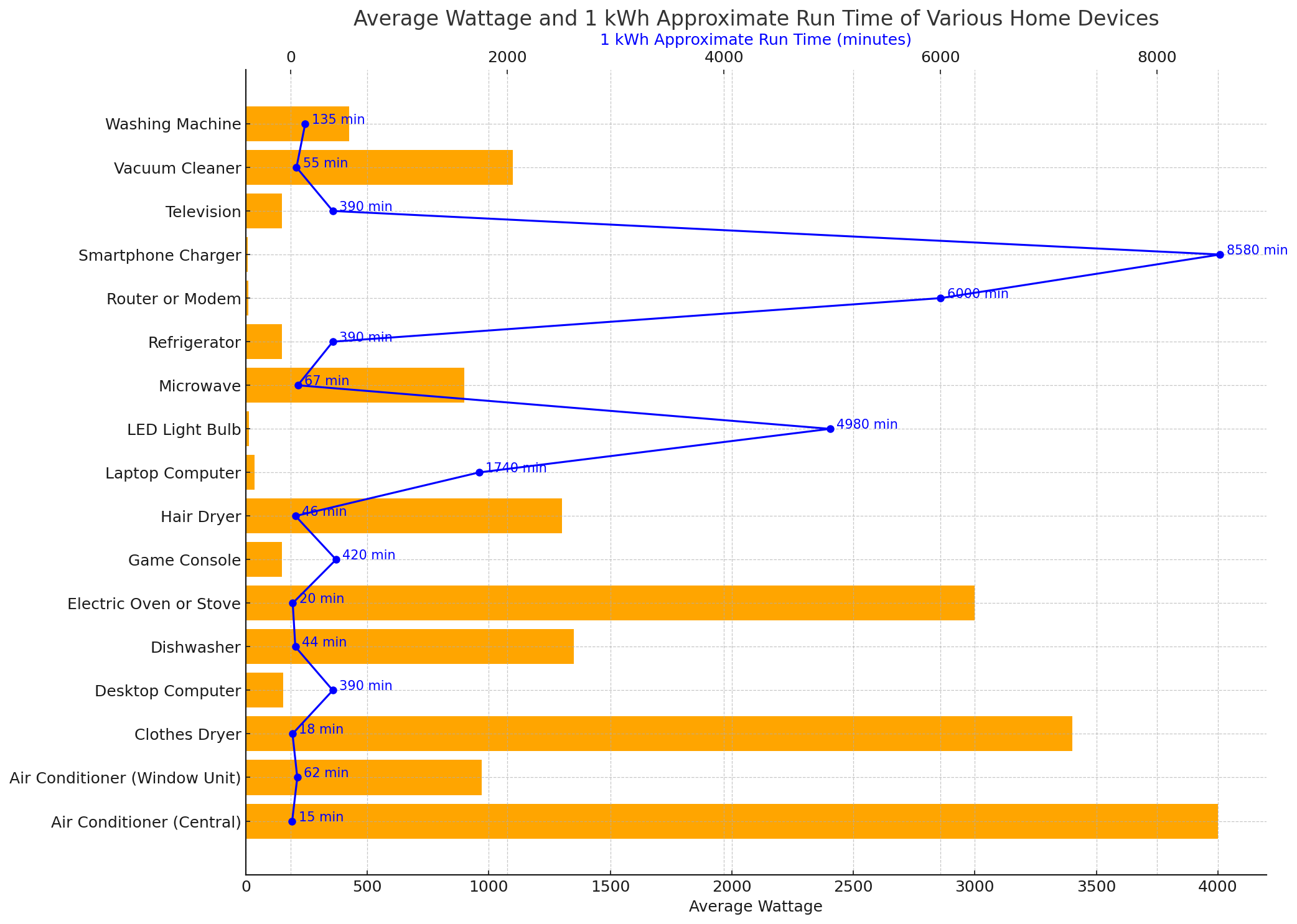
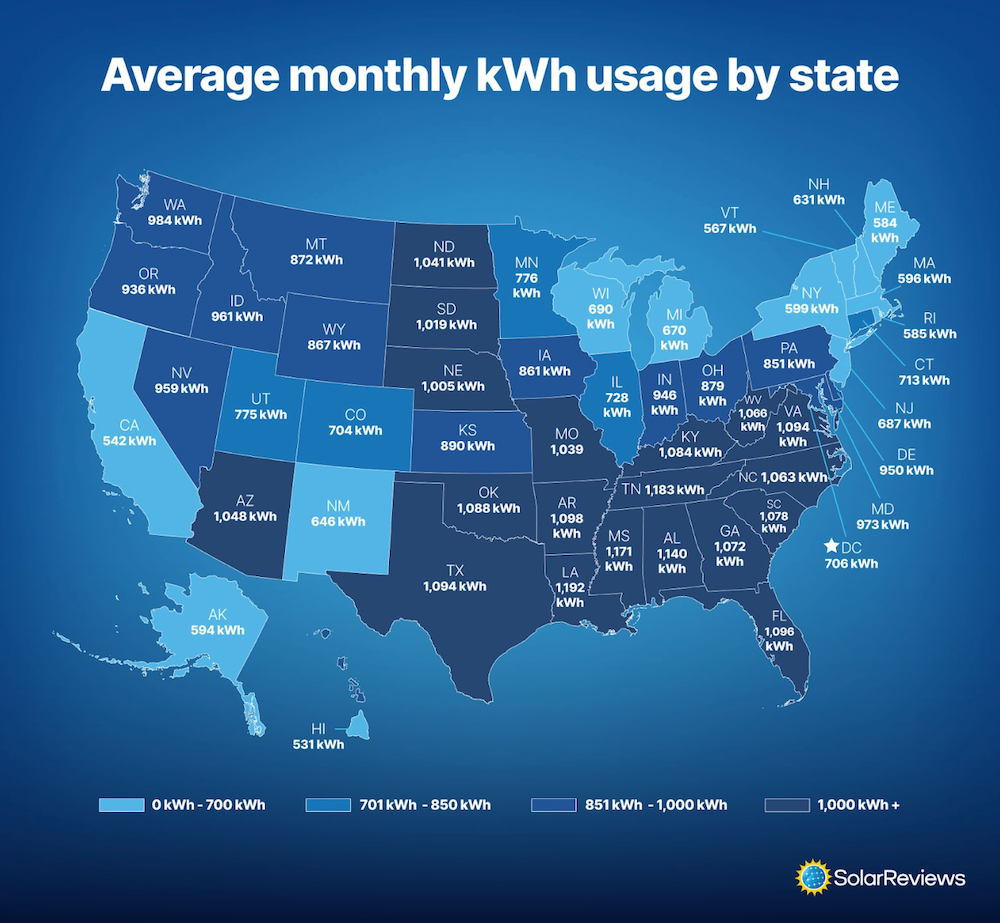
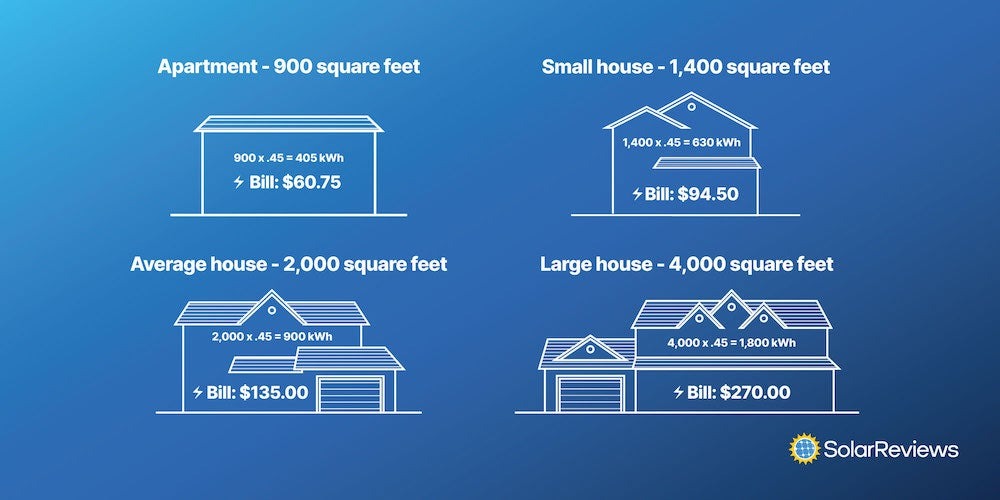
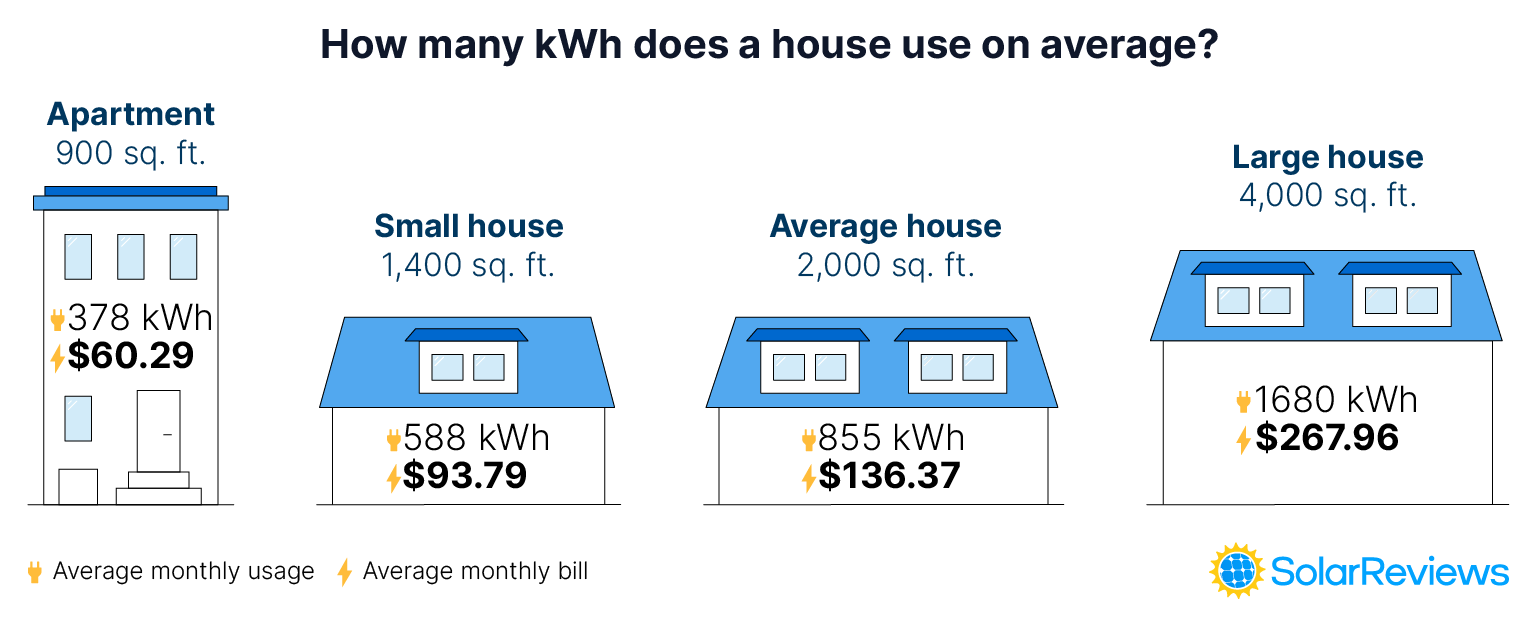
Now, for the big reveal: how many kW to run a house? The truth is, there’s no single magic number, as it varies wildly. A small, energy-efficient apartment might only need 1-2 kW of instantaneous power when running typical appliances, while a large home with multiple occupants, central air conditioning blasting, and an electric dryer churning could easily peak at 5-10 kW or even more during high-demand periods. For a monthly average, a typical U.S. home often consumes anywhere from 600 to 1,200 kWh, which translates to an average continuous draw of about 0.8 kW to 1.6 kW over the entire month. But remember, this is an average; actual instantaneous demand fluctuates greatly.
Must Read
What makes this number swing? A bunch of factors!
- Size and Insulation: Bigger houses with poor insulation require more power for heating and cooling.
- Number of Occupants: More people usually means more lights, devices, and hot water use.
- Appliance Efficiency: An old, inefficient fridge can be a real power hog compared to a new, ENERGY STAR-rated one.
- Lifestyle: Are you a gamer, a remote worker with multiple screens, or someone who loves long hot showers? Your habits play a huge role!
- Season: Heating and air conditioning are typically the biggest power draws, causing peaks in winter and summer.

Understanding your home's kW demands and kWh consumption offers incredible benefits. Firstly, it empowers you to make smarter decisions – whether it's upgrading an old appliance, sealing drafty windows, or simply being more mindful of turning off lights. This directly translates to lower electricity bills. Secondly, it contributes to a greener planet by reducing your carbon footprint. Knowing your numbers is the first step towards more sustainable living and even evaluating options like solar panels.
So, next time you flip a switch, remember there's a fascinating world of kilowatts and kilowatt-hours at play. By grasping these simple concepts, you're not just understanding your power bill; you're taking control of your home's energy story.