How Expensive Are Solar Panels For A Home

Okay, picture this: it’s a scorching summer day, your AC is blasting like a jet engine, and you just got your electricity bill. You know the one. The bill that makes your wallet do a little gasp, a faint whimper, maybe even a full-blown existential crisis. You stare at it, then glance wistfully at your neighbor’s roof, shimmering with those sleek, silent solar panels. A sigh escapes. "Must be nice," you think. "But man, those things must cost an absolute fortune, right?"
And that, my friends, is the million-dollar question – or rather, the thousand-dollar question, multiple times over. Because, let’s be honest, the thought of going solar often conjures up images of emptying your life savings, selling a kidney, or perhaps even both. We’ve all heard the whispers, the rumors of astronomical costs. But what if I told you that while it’s definitely an investment, the "expensive" part isn’t quite the monster under the bed it used to be?
The Elephant in the Room: Upfront Cost
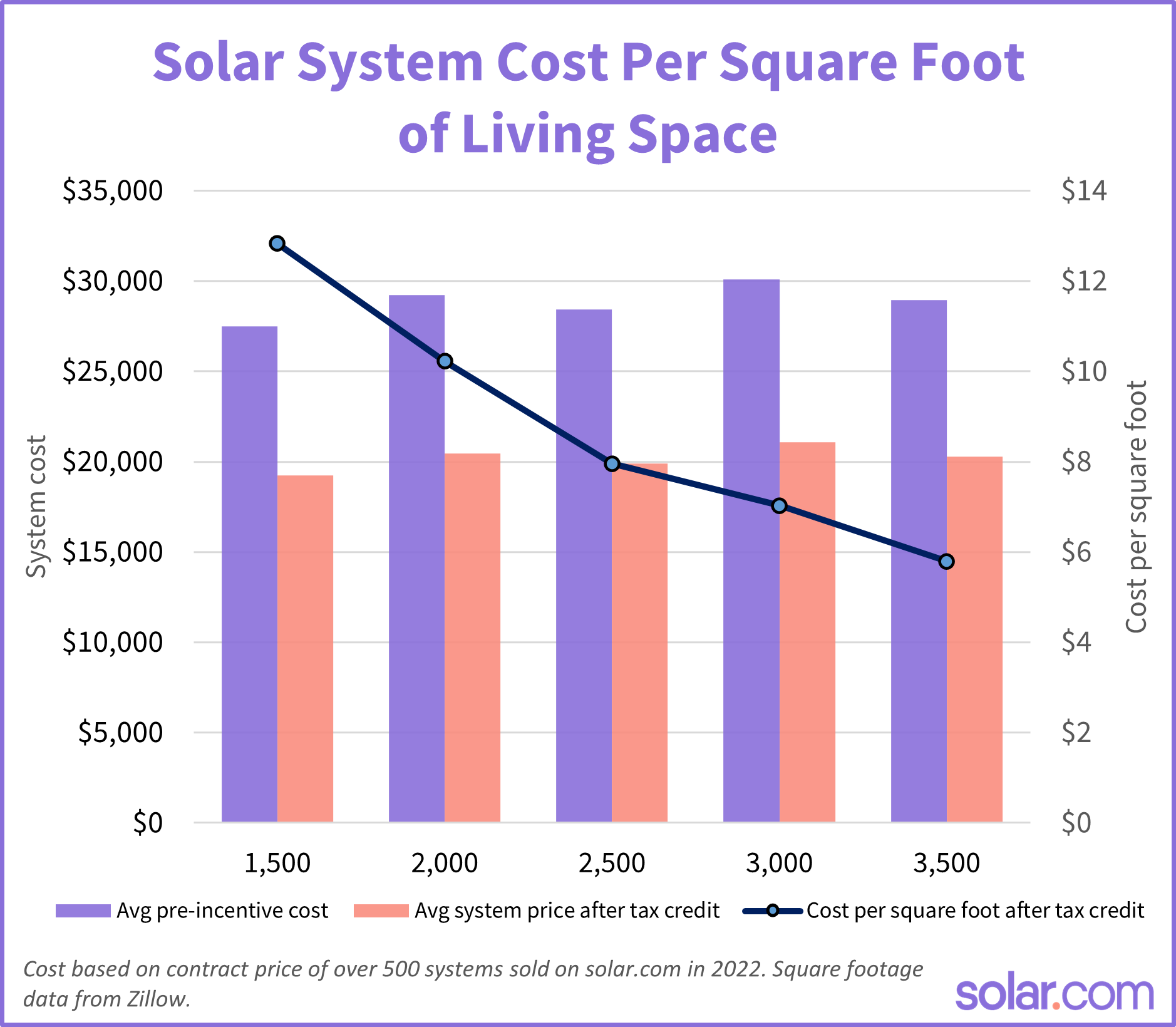
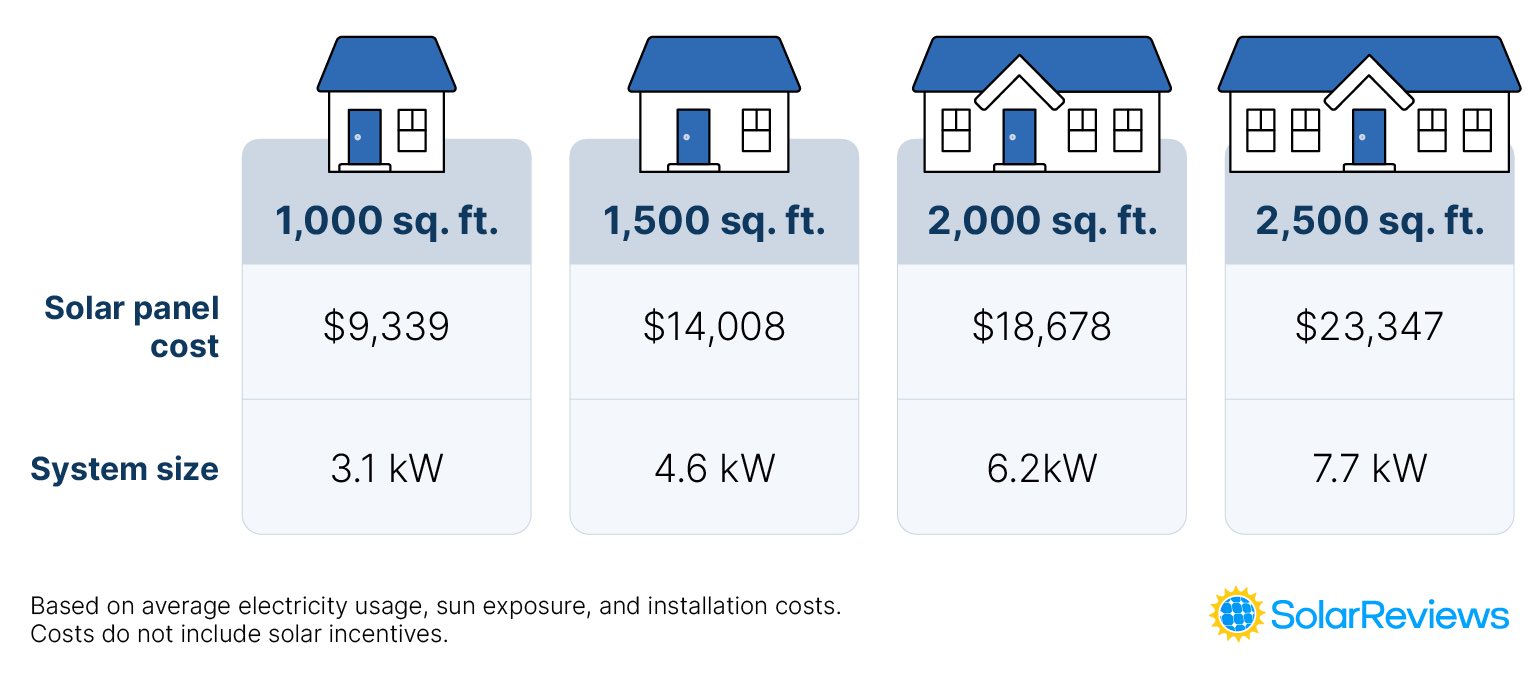
Let’s not beat around the bush. Installing solar panels isn't like buying a new toaster. There’s an initial sticker shock, no doubt. Your wallet might do a little gasp at the total price tag. For an average residential system, you’re often looking at figures that range from, say, $15,000 to $30,000 or even more, before incentives. Yeah, I know. That's a chunky number. For a lot of folks, that's a new car, a down payment, or a really, really nice vacation.
Must Read
But here’s the thing: prices have actually plummeted over the last decade. Seriously, like a lead balloon, but in a good way for consumers. Thanks to technological advancements, increased manufacturing, and widespread adoption, solar has become significantly more accessible. What once was a luxury for the ultra-rich is now a solid, tangible investment for many middle-class homeowners.
So, What Exactly Are We Paying For?
It’s not just the panels, my friend. Oh no, it’s a whole symphony of components and services:
- The Panels Themselves: Obviously! These convert sunlight into electricity. Different brands, different efficiencies, different price points.
- Inverters: Crucial little boxes that change the DC electricity from your panels into AC electricity your home can use.
- Mounting Hardware: Racks and rails that securely attach everything to your roof.
- Labor & Installation: This is a big one! Expert electricians and installers who ensure everything is up to code and working perfectly. It's not just screwing things into the roof; it's a precise engineering job.
- Permits & Inspections: Your local municipality wants to make sure your new system is safe and compliant. There are fees involved here too.
- Design & Engineering: Each system is custom-designed for your home, your energy needs, and your roof’s unique characteristics.
Think of it like building a custom kitchen. You're not just buying cabinets; you're paying for design, demolition, installation, plumbing, electrical work, and all the little details that make it functional and beautiful.
Your Price Tag Will Vary (Wildly!)
This isn't a one-size-fits-all kind of deal. The cost for your neighbor’s system might be totally different from what you’d pay. Why? A few key factors:

- System Size: This is the big kahuna. It’s determined by your household’s electricity consumption. The more power you use, the more panels you need, and the higher the cost.
- Your Roof: Is it steep? Shady? Does it need repairs before panels can go on? All these can impact installation complexity and cost.
- Equipment Quality: Like cars, there are economy models and luxury models. Premium panels and inverters might cost more upfront but could offer better efficiency and longer warranties.
- Battery Storage: Want to store excess energy for nighttime use or power outages? Awesome! But adding a battery system significantly increases the initial investment.
- Location, Location, Location: Labor costs vary by region, and local incentives can be a game-changer.
The "But Wait, There's More!" Part: Incentives and ROI
Here’s where it gets exciting, folks! That hefty upfront cost rarely reflects what you actually end up paying. Why? Because the government (and sometimes states or local utilities) wants you to go solar!
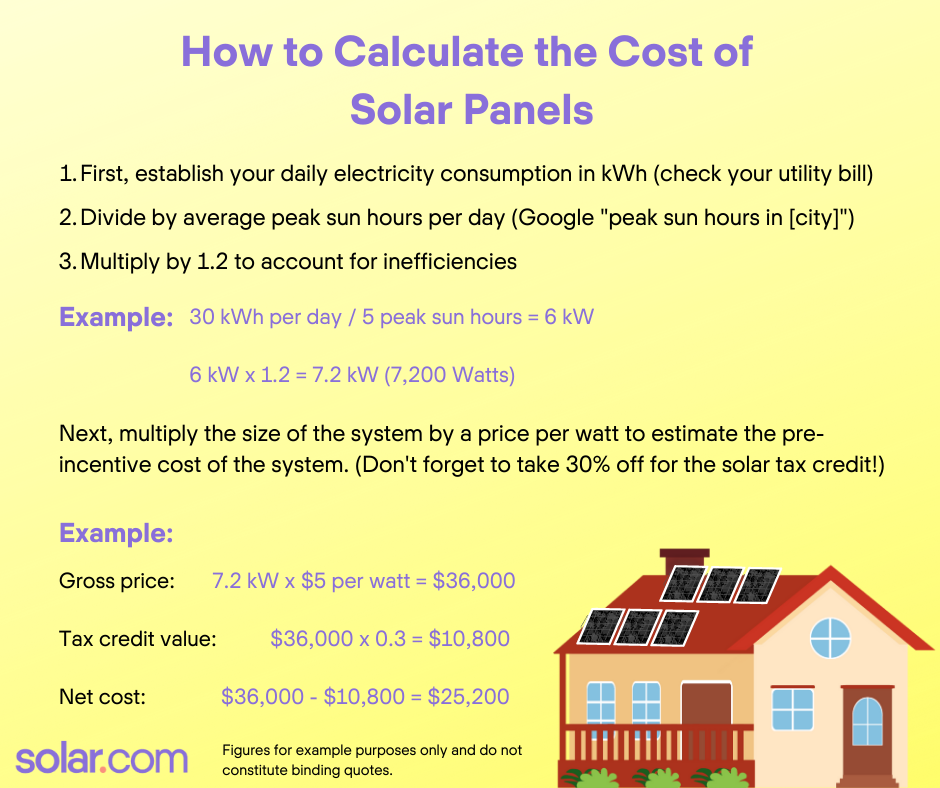
- Federal Solar Tax Credit (ITC): This is huge! You can claim a percentage (currently 30%!) of your total system cost as a tax credit. This isn't a deduction; it's money directly off your tax bill. Seriously, this is a massive chunk of change off the top.
- State & Local Incentives: Many states offer additional rebates, property tax exemptions, or programs like SRECs (Solar Renewable Energy Certificates) where you can sell credits for the clean energy you produce. Do your research for your area!
- Net Metering: This allows you to send any excess electricity your panels produce back to the grid, and your utility credits your account. Basically, the grid becomes your battery!
When you factor in these incentives, that $25,000 system could realistically drop to something closer to $17,500 after the federal tax credit alone. And that’s before any state help!
The Long Game: Investment, Not Just Expense
So, is it expensive? The initial outlay is significant, yes. It's not pocket change. But thinking of solar panels as a pure "expense" is missing the forest for the trees. It’s an investment.
- Goodbye, Electricity Bill Volatility: Imagine knowing, month after month, that your electricity costs are stable, predictable, or even nonexistent. That peace of mind? Priceless.
- Increased Home Value: Homes with solar panels often sell faster and for more money. It’s a tangible upgrade.
- Payback Period: Most homeowners see their solar system pay for itself within 6-10 years through energy savings. After that? Pure profit, baby! For decades to come.
In essence, you're not just buying panels; you're buying decades of significantly reduced or eliminated electricity bills, energy independence, and a boost to your home's value. You're literally buying freedom from those terrifying monthly utility statements.
So, the next time you look at your neighbor’s sunny roof, instead of thinking "fortune," maybe think "smart investment." Because while the upfront cost might make you wince, the long-term savings and benefits could make your wallet (and your conscience) breathe a very happy sigh of relief.