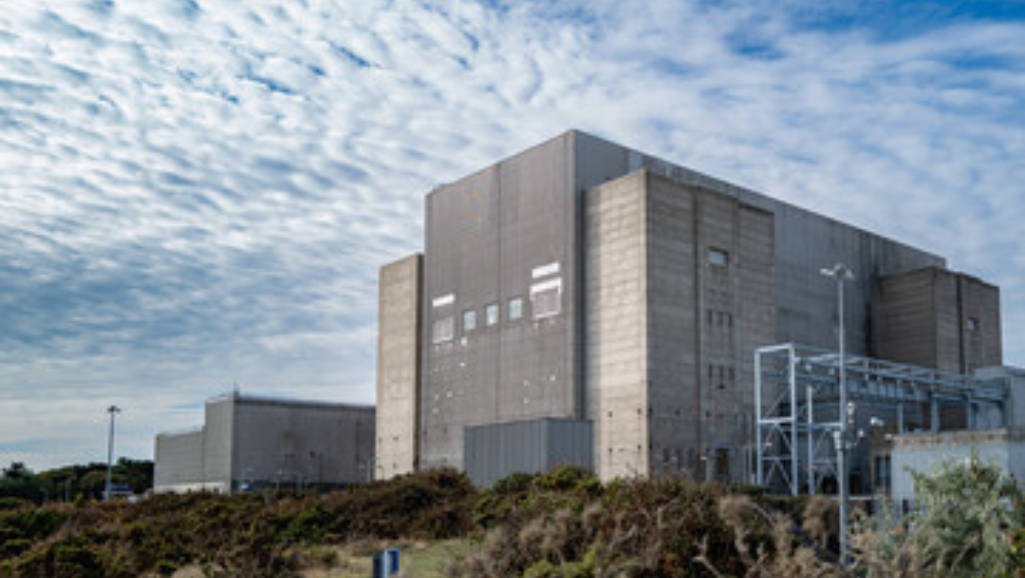
How Does A Nuclear Power Station Produce Electricity

Most of us flip a switch without a second thought, expecting light, warmth, or the glorious hum of our Wi-Fi router. Electricity! It’s the invisible superhero of modern life. We know about solar panels soaking up sunbeams and wind turbines dancing with the breeze, but what about those mysterious giants, the nuclear power stations? They often sound like something out of a science fiction movie, but at their heart, they’re surprisingly simple, and perhaps even a little heartwarming in their cleverness.
It's All About Making Steam!
Believe it or not, almost every major power station on Earth, whether it runs on coal, gas, or nuclear fuel, has one big thing in common: it's essentially a giant, incredibly powerful kettle. Their main job is to boil water and create steam. Why steam? Because steam is a fantastic, energetic gas that loves to push things. Think of the lid rattling on a boiling pot – that's steam wanting to escape and do work!
The Tiny Spark: Splitting Atoms
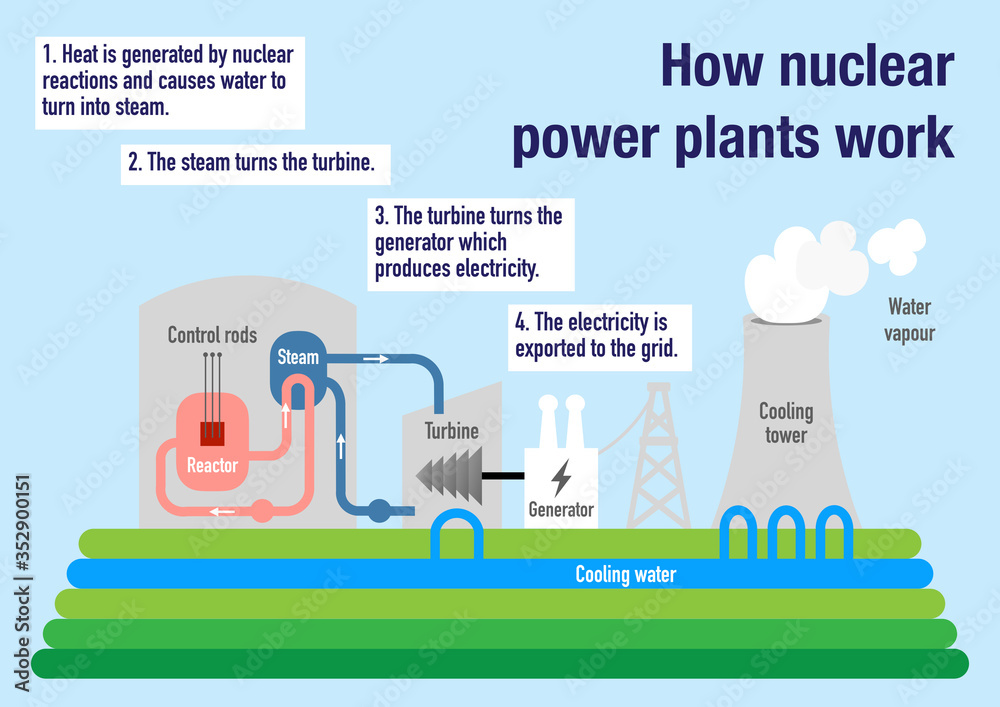
Here's where the "nuclear" magic happens. Instead of burning coal or gas to heat the water, a nuclear power station uses something called nuclear fission. Don't let the fancy word scare you! It simply means splitting atoms. Imagine you have a tiny, almost invisible pea, let's call it an uranium atom. Inside our nuclear reactor, we gently encourage this uranium atom to split into two smaller atoms. When it does, it releases an astonishing burst of energy – mostly as heat.
Must Read
"It's like cracking open a microscopic nut, and inside, there's a mini-sun!"
This isn't some chaotic explosion; it's a meticulously controlled chain reaction, like setting off one tiny, perfectly timed domino to knock over another, and then another, all within a heavily shielded, super-safe environment. The engineers are like meticulous conductors, ensuring this atomic orchestra plays just right, producing a steady, enormous amount of heat.
This intense heat then warms up water in a closed loop. It's a bit like the radiator in your car, but on a colossal scale. This hot water, under immense pressure, eventually transfers its heat to another loop of water, turning it into super-heated steam. This steam is incredibly powerful, full of enthusiasm to escape and push anything in its way.
The Giant Windmill: Spinning Our Way to Power
Now comes the fun part! This high-pressure, super-energetic steam is directed through a series of pipes towards a magnificent machine called a turbine. Picture a giant, multi-bladed fan, or perhaps a massive pinwheel, encased in a strong shell. The steam, eager to expand, pushes against these blades, making the turbine spin at an incredible speed – sometimes thousands of rotations per minute! It’s like a playful gust of wind pushing a toy windmill, but with the power to light up entire cities.
The Invisible Link: From Spin to Spark
Connected to the spinning shaft of the turbine is another ingenious device: the generator. This is where the actual electricity is born! A generator is essentially a clever arrangement of magnets and coils of wire. When the turbine spins the magnets rapidly past the coils (or vice-versa), it causes the tiny, invisible particles called electrons to get excited and start moving. This flow of electrons is what we call electricity!
"It's like an atomic ballet, where the spinning causes electrons to dance in unison, creating a powerful current."
From the generator, this newfound electrical energy travels through transmission lines – those big power lines you see crisscrossing the countryside – straight to our homes, schools, and workplaces.
What’s truly amazing about this whole process is the sheer power locked inside those tiny atoms. A single small pellet of uranium, no bigger than your fingertip, can hold as much energy as a ton of coal or 17,000 cubic feet of natural gas! It’s a remarkable testament to the universe’s hidden power, harnessed safely and efficiently to power our modern lives.
So, the next time you plug in your phone, boil a kettle for tea, or simply enjoy the glow of a lightbulb, spare a thought for those incredible, carefully controlled atoms, happily splitting and spinning turbines to bring that convenient magic right into your living room. It’s a grand symphony of physics, all playing its part to keep our world humming, and it’s surprisingly elegant, isn’t it?