
How Do I Know If Carbon Monoxide Detector Is Working

We all have one. That little plastic box, quietly hugging the wall or ceiling. It's our silent guardian, our watchful sentry against the unseen.
It’s the carbon monoxide detector, of course. The unsung hero of home safety, just chilling there, doing its thing.
But here’s the million-dollar question, the one that keeps us up at 3 AM after a particularly weird dream about invisible gas:
Must Read
"How do I actually know if that thing is working?"
It’s not like a smoke detector, where you can burn toast (accidentally, of course) and get a dramatic, ear-splitting confirmation.
No, the CO detector is far more mysterious. It just... sits there. Is it judging our decorating choices? Secretly wishing for new batteries?
My unpopular opinion? We rely a little too much on pure faith. It's like having a ninja bodyguard who never speaks, and you just have to trust they’re good at their job.
The Test Button: Our Great Hope
The first port of call for any nervous homeowner is usually the test button. Oh, the mighty test button!
You press it, often with a little jab, as if to say, "Hey! Are you alive in there?"
And then, it happens. A loud, piercing, unholy shriek erupts. It fills the house, making pets jump and small children question their life choices.
That's the sound of a working siren, right? It means the detector is alive and well, ready to scream its head off if CO dares to show up.

But does it mean the sensor is working? That little bit inside that sniffs out the invisible danger?
That's the part that still feels a bit like a magic trick. The button just confirms the speaker works, and maybe the battery isn't completely flat.
It’s like testing if your car horn works. Great! But does the engine still run? Does it have gas? The horn won't tell you that.
"The test button is really more of a 'scream test' than a 'sniff test'."
Still, pushing that button once a month or so is a good habit. It’s like a little check-in, a friendly poke to ensure your guardian is still awake.
The Expiry Date: A Birthday You Don't Celebrate
Here’s another subtle clue: the expiry date. Yes, these silent sentries have a shelf life.
Just like that fancy yogurt in the back of your fridge, your CO detector isn't meant to last forever. They usually last about five to seven years.
Flip it over. Look for the manufacturing date or a specific "replace by" date. It's usually printed on the back or side, often in tiny, cryptic letters.
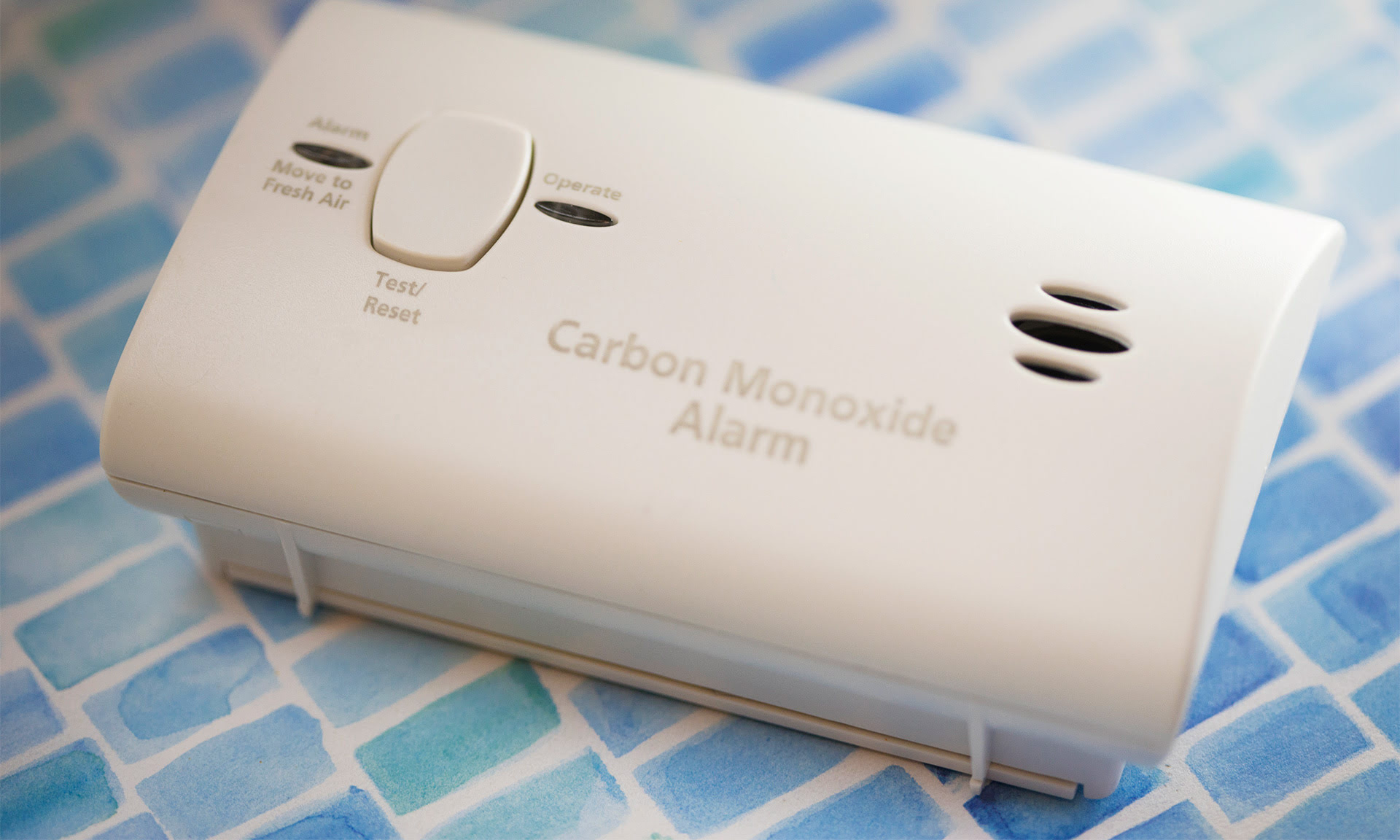
If that date has passed, your detector is officially retired. It's probably having tiny, invisible carbon monoxide detection dreams on a beach somewhere.
An expired detector isn't just old; its sensor can become less reliable. So, replace it without ceremony, even if it still screams when you push the button.
This is probably the most reliable "test" you can do. If it's past its prime, it's not working optimally, regardless of its noise-making abilities.
The Battery Saga: A Midnight Opera
Ah, the low battery chirp. This is perhaps the most universally recognized sign of life from your detector, often at the least convenient moment.
It’s always 3 AM, right? Just when you’ve finally drifted off into a peaceful slumber, the tiny, insistent chirp begins.
Chirp... chirp... chirp... It's like a lonely cricket amplified by a thousand. It demands your attention, your obedience, your groggy search for a ladder.
While annoying, this chirp is actually a good sign. It means the detector has enough juice to tell you it's running low. It's still communicating!
.jpg?itok=zwEl3CfV)
Changing the batteries annually (or when it chirps, obviously) ensures it has the power it needs to do its job. It's like feeding your pet superhero.
If you press the test button and get nothing, absolutely zero sound, even with new batteries, that's a red flag. A very, very silent red flag.
The Unwanted True Test: When It Actually Goes Off
Let's be honest. The real test, the undeniable proof, is when your carbon monoxide detector actually detects carbon monoxide.
And let me tell you, that's a test you never want to ace. It's the ultimate pop quiz where the stakes are a little too high.
If it does go off, loudly and persistently, and you're not intentionally gassing yourself (please don't!), then it's absolutely working.
At that point, you follow the emergency protocols: get fresh air, call the fire department, and get your house checked. Immediately.
But until then, how do we reassure our anxious brains that it’s not just a fancy piece of plastic?

"My unpopular opinion, again: the detector’s true working state is a mystery until it isn't. But we can still be proactive!"
A Final, Playful Thought
So, how do you really know? You don't have a portable CO generator for home testing (and thank goodness for that!).
You rely on those little rituals: the monthly button press, the annual battery swap, and the strict adherence to the expiry date.
These actions, while seemingly simple, are your best bet for ensuring your silent guardian is ready for action. They are your peace of mind checks.
Think of it less as an exact scientific measurement and more as diligent care for a very important, very quiet house guest.
Give it a little dusting now and then. Make sure it's not painted over. Keep it happy, well-fed with batteries, and within its lifespan.
And then, just trust it. Because when it comes to invisible dangers, a little faith, backed by a few simple checks, goes a very long way.
Your CO detector might be a mystery, but keeping it in tip-top shape doesn't have to be.