
Heavy Implantation Bleeding Stories And Pictures

Okay, let's talk about something that can be a little confusing, a little scary, but ultimately, a totally natural part of the early journey to potential parenthood: implantation bleeding. And specifically, we're tackling the topic of "heavy" implantation bleeding. Buckle up, because it's a bit of a wild ride!
Now, before you start frantically Googling (we've all been there, right?), let's clarify something crucial. Implantation bleeding, in most cases, is light. We're talking spotting, maybe a light stain – think whisper, not shout. But, sometimes, it can feel heavier. That's where the "heavy implantation bleeding" stories come in. And yes, some people share photos (though we won't be showing any here – Google Images is your friend… cautiously!).
What is Implantation Bleeding Anyway?
Must Read
First things first: After a sperm and egg do the tango (a very tiny, cellular tango, mind you!), the resulting embryo travels down to the uterus. It then burrows into the lining, called the endometrium. This burrowing can sometimes cause a little bit of bleeding. Hence, implantation bleeding!
So, What Makes it "Heavy"?

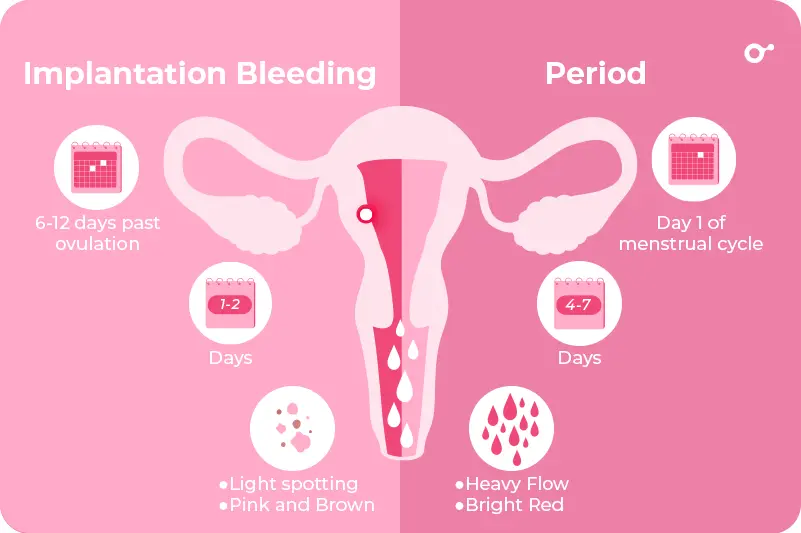
Good question! And the honest answer? "Heavy" is subjective. What one person considers heavy, another might shrug off. Generally, we're talking about bleeding that's more than just spotting, but still significantly lighter than a typical period. Think maybe needing a pantyliner instead of a full-blown pad. But here's the kicker: it's also about the duration. A heavier-than-usual implantation bleed might also last a bit longer, maybe a day or two.
Why the Stories and Pictures?
Because knowledge is power, baby! And when it comes to our bodies, understanding what's "normal" (or at least, within a reasonable range) is incredibly empowering. Seeing and hearing other people's experiences can help you feel less alone and more prepared if you ever find yourself in a similar situation. It's about normalizing the variety of experiences that fall under the umbrella of "early pregnancy."

Decoding the Bleeding: When to Worry (and When Not To)
Okay, let's get serious for a moment. If you're experiencing heavy bleeding, especially with pain, dizziness, or clots, it's always best to consult a doctor. Seriously. Don't rely on Dr. Google for this one. There are other reasons for bleeding during early pregnancy, some of which require medical attention.
Here's a simplified (but not exhaustive!) breakdown:
- Implantation Bleeding (Maybe Heavy-ish): Lighter than your period, shorter duration, no severe pain. Could be pink, brown, or light red.
- Period: Heavier, longer duration, potentially with cramps. Often bright red.
- Other Causes (See a Doctor!): Heavy bleeding, severe pain, dizziness, passing clots, persistent bleeding. These could be signs of something that needs medical attention.
The Pitfalls of the Internet (and Pictures!)
Listen, the internet is a wonderful place… and a terrible one, all at the same time. While sharing experiences can be helpful, remember that everyone's body is different. Comparing yourself to others, especially based on pictures, can lead to unnecessary anxiety. Use online resources as a starting point, not as your definitive diagnostic tool. A pregnancy test and a chat with your healthcare provider are infinitely more reliable.
Why This Matters (and Why It's a Little Fun!)
Understanding your body is powerful. Knowing what to expect, even if it's a range of possibilities, can reduce stress and anxiety. And let's be honest, decoding the mysteries of early pregnancy can be a little bit fun! It's like being a detective, piecing together clues to solve the puzzle of what's going on inside. Embrace the journey, even the confusing bits!

So, What's the Takeaway?
Implantation bleeding can vary, and some people experience what they perceive as "heavy" implantation bleeding. Sharing stories and pictures can be helpful for understanding the range of possibilities, but it's crucial to remember that everyone's body is different. Always consult a doctor if you have concerns about bleeding during early pregnancy. And most importantly, be kind to yourself and trust your instincts!
Feeling a little more informed? Great! Now, go forth and learn even more! There are tons of resources out there – reputable websites, books, and, most importantly, healthcare professionals – ready to help you navigate the exciting (and sometimes perplexing) world of early pregnancy. Empower yourself with knowledge, and remember to enjoy the ride!