Fox News Political Cartoons
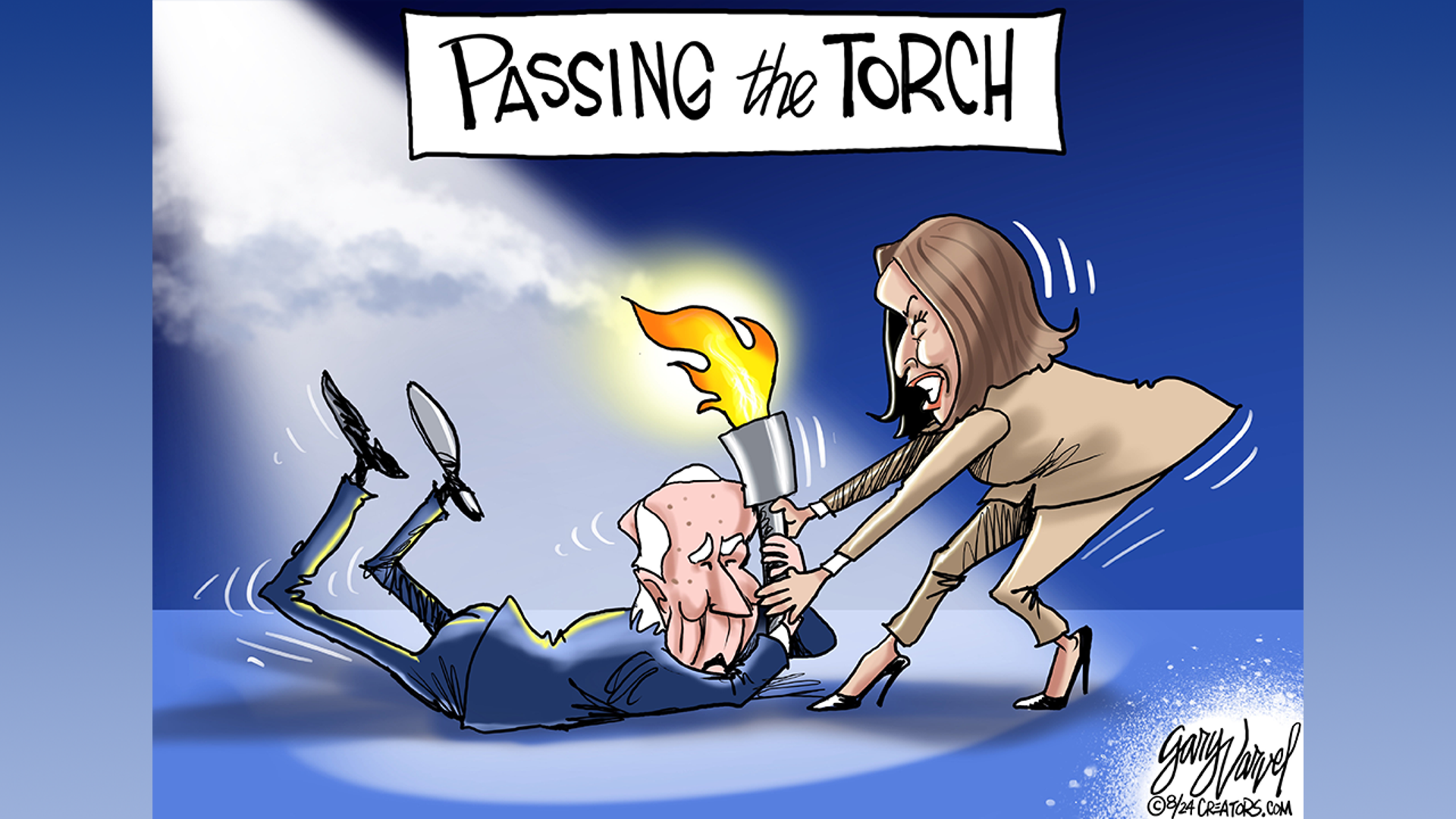
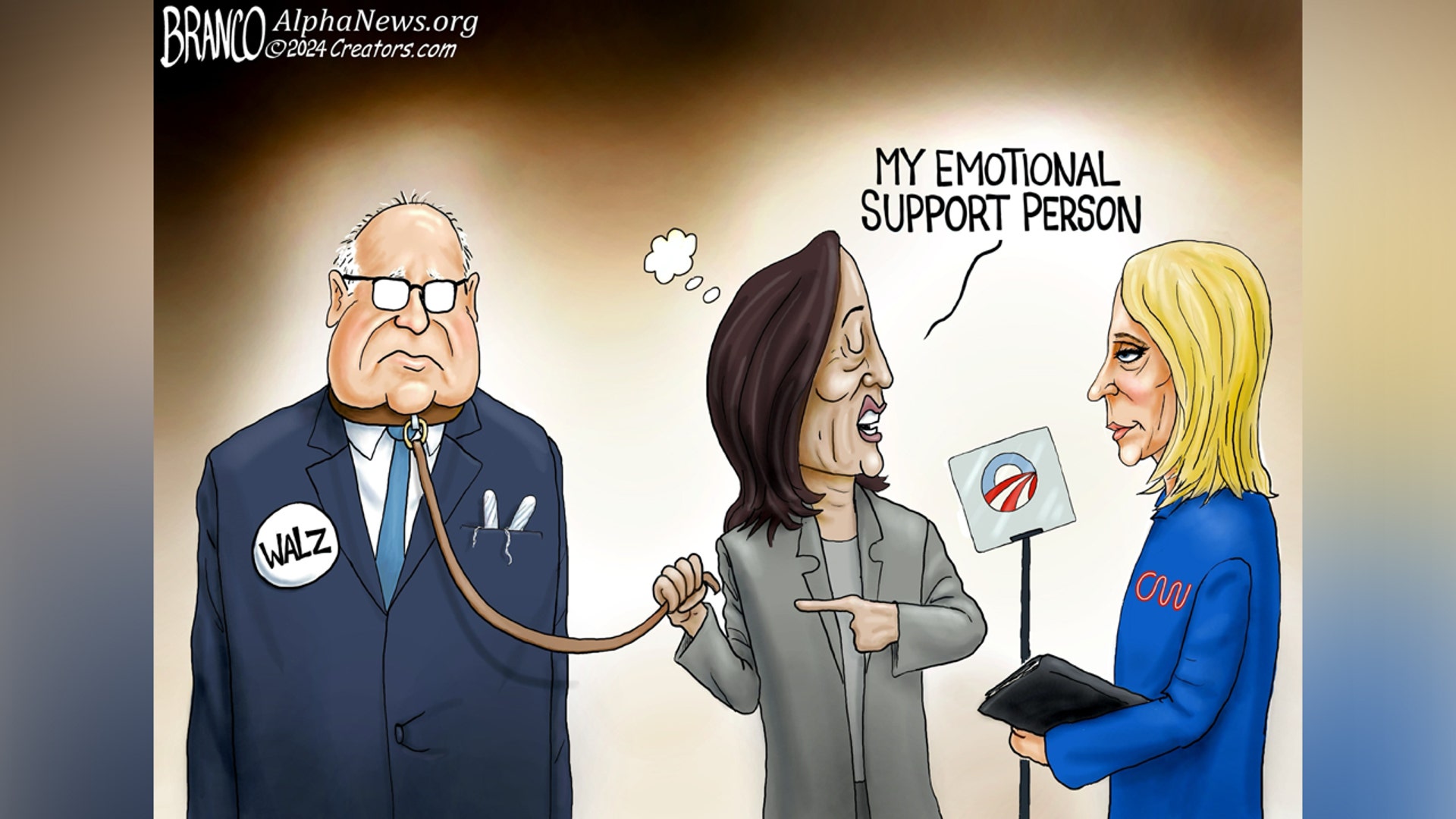
Let's be real, political cartoons can feel like that one history class you tried to nap through. Dense, confusing, and occasionally leaving you wondering, "Wait, what just happened?" But before you zone out, let's decode the world of Fox News political cartoons. They're not just doodles; they're visual arguments packed with opinion, satire, and a healthy dose of right-leaning perspective.
Decoding the Canvas: What to Look For
Think of these cartoons as mini-editorials. They don't just present facts; they interpret them. So, what should you be paying attention to? Here are a few clues:
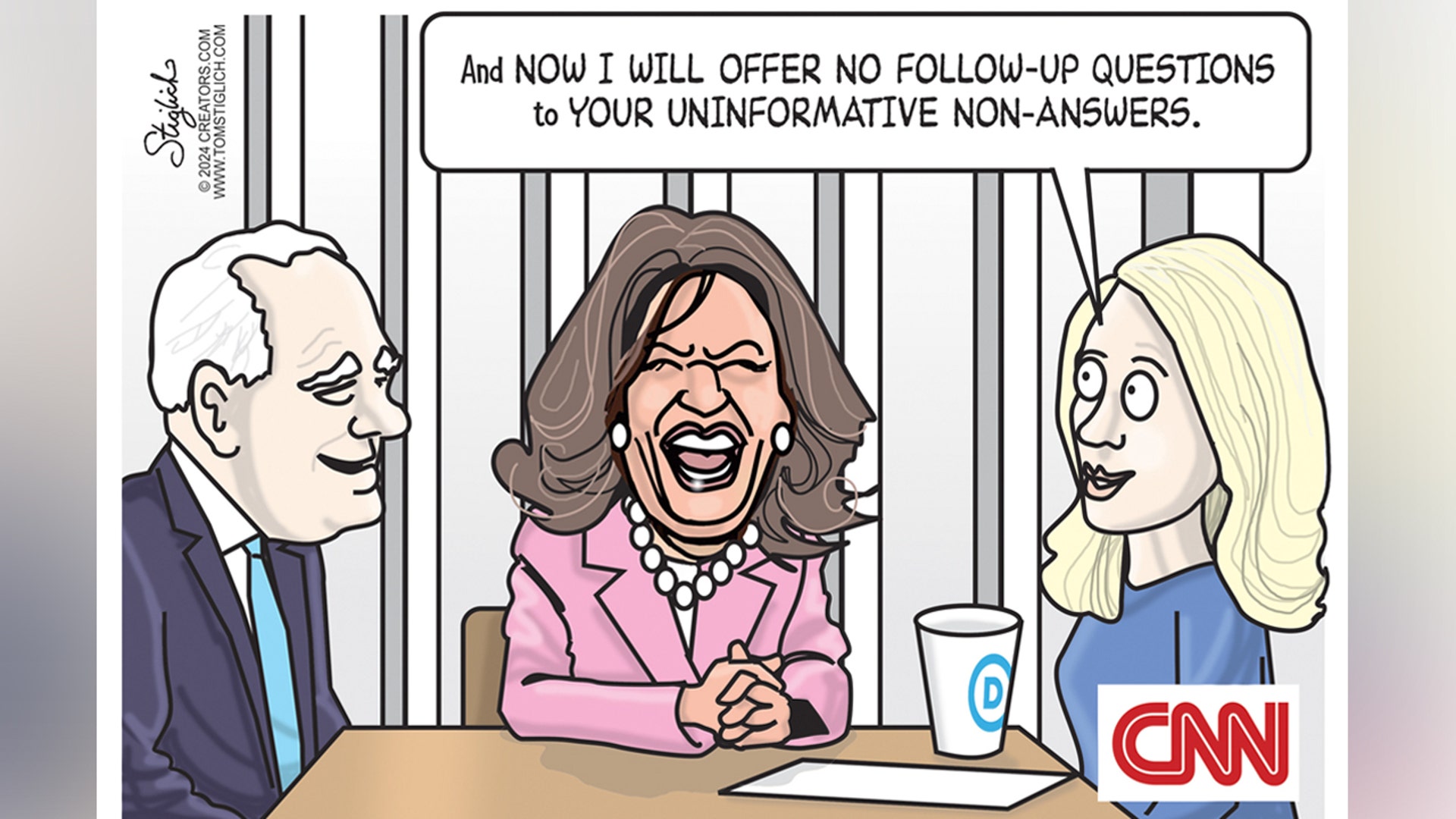
- Caricatures: Exaggerated features are a cartoonist's best friend. A politician with a ridiculously large nose? Probably not a compliment.
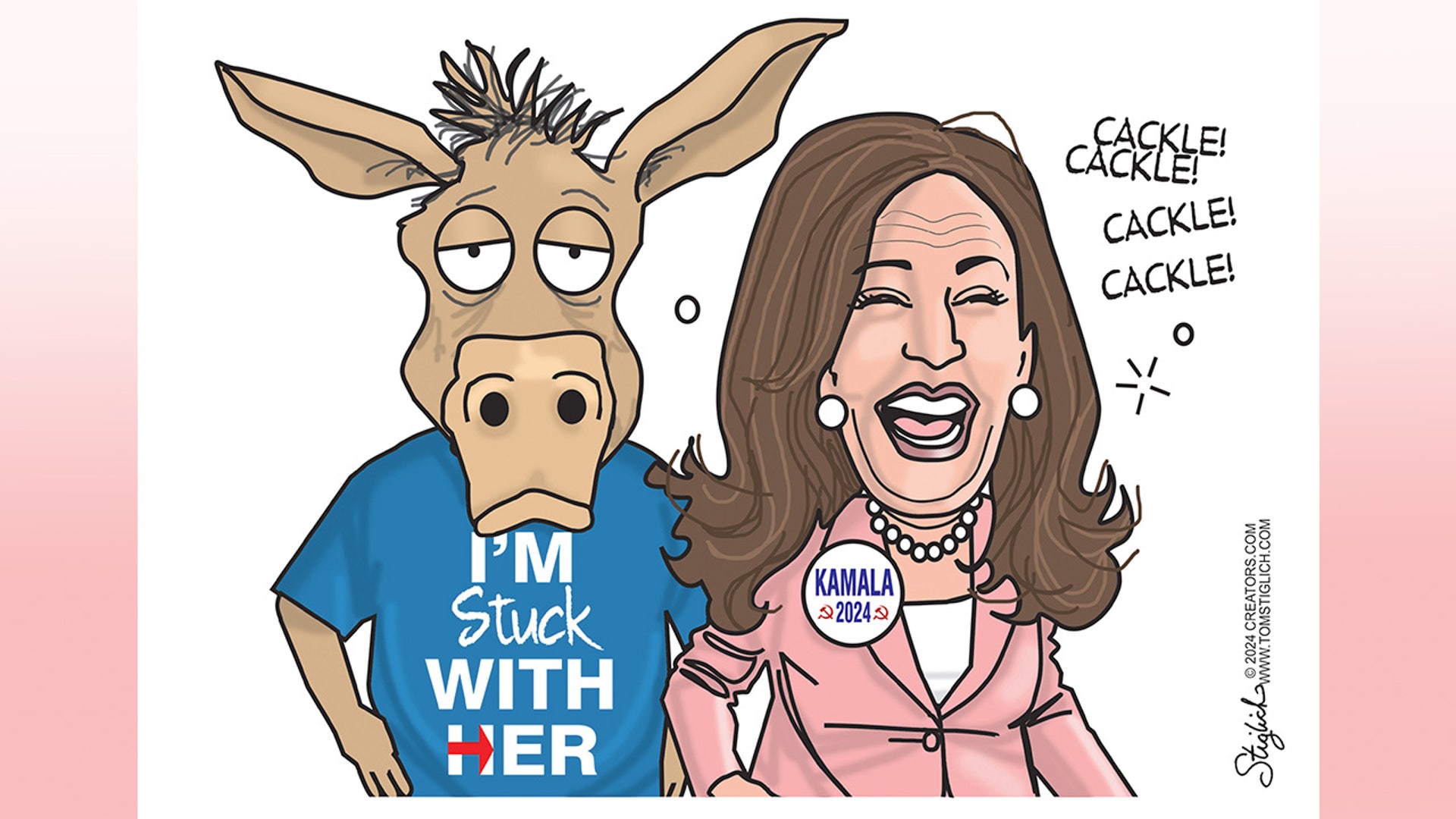
- Symbols: The donkey and elephant representing Democrats and Republicans are just the tip of the iceberg. Keep an eye out for Uncle Sam, the Statue of Liberty, and other iconic American symbols – their portrayal often reveals the cartoonist's message.
- Labels: Cartoonists aren't always subtle. Words and phrases slapped onto characters or objects clarify the intended meaning. If you see a bag of money labeled "Taxes," you know what's up.
- Context: A cartoon about inflation won't make sense if you've been living under a rock. Knowing the current events is key to understanding the satire.
Pro Tip: If you're totally lost, Google it! A quick search for "political cartoon [topic]" can usually give you enough background to get the joke.
Must Read
The Fox News Angle: A Right-Leaning Lens
Okay, let's address the elephant (no pun intended) in the room. Fox News has a distinct political slant, and their cartoons reflect that. Expect to see:
- Conservative viewpoints: This might mean critiques of liberal policies, support for Republican politicians, and a generally right-leaning interpretation of events.
- Focus on specific themes: Common topics include government spending, immigration, and cultural issues – all viewed through a conservative lens.
- Specific Targets: It's not uncommon to see the left-leaning media, Democratic politicians, or "woke" agendas as the subject of satire.
This doesn't automatically make the cartoons "bad" or "wrong." It just means they're coming from a specific perspective. Just like reading opinion pieces from different sources, you get a fuller picture by looking at multiple viewpoints.
Fun Fact: Political cartoons have been around for centuries! Some of the earliest examples can be traced back to the 16th century.
Beyond the Laughs: Critical Thinking Required
Political cartoons are often funny (or at least try to be). But they're not just for entertainment. They're designed to persuade. So, how can you engage with them critically?
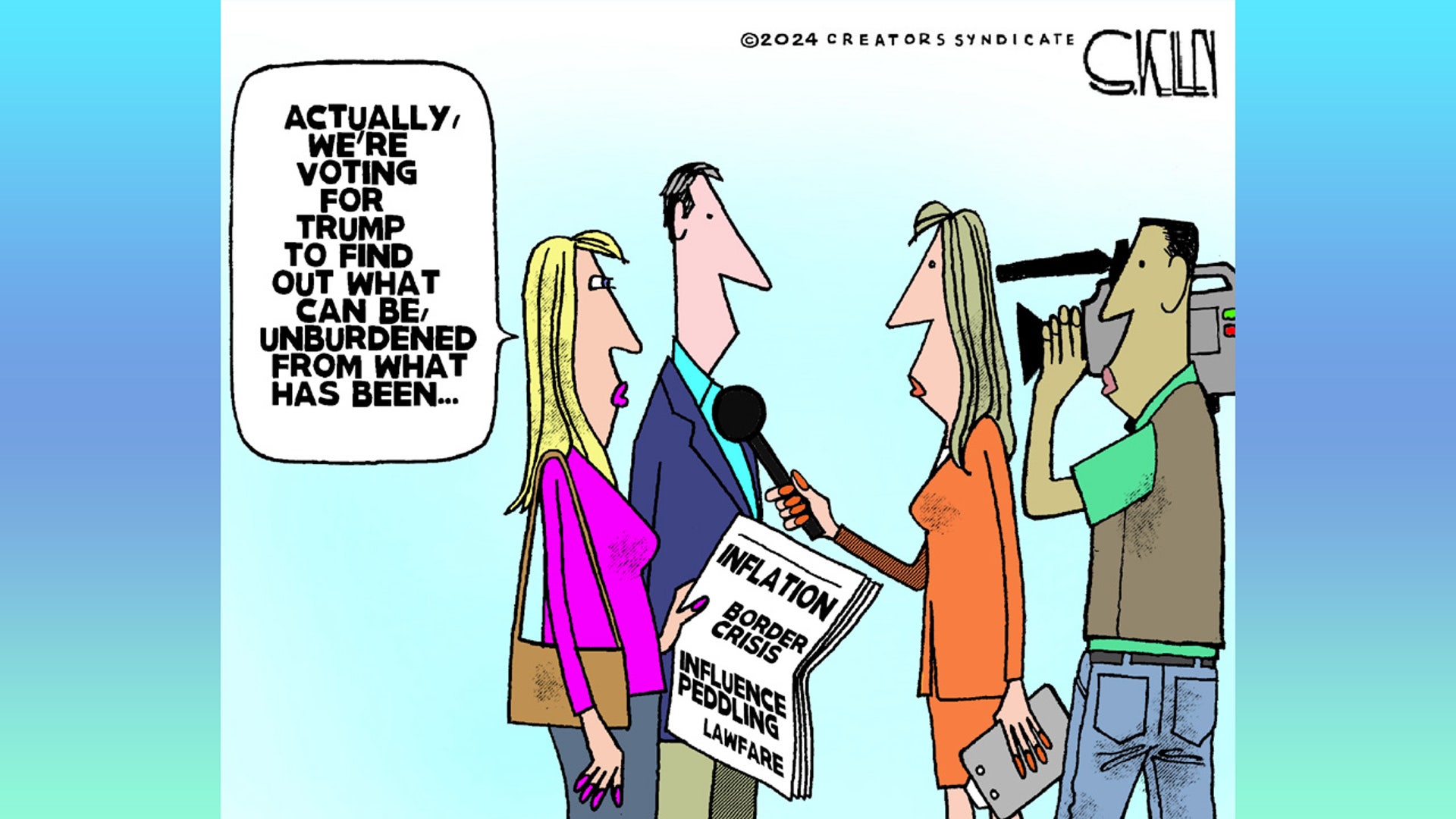
- Identify the argument: What's the cartoonist trying to say? Are they supporting a policy, criticizing a politician, or simply making a commentary on society?
- Evaluate the evidence: Are the cartoonist's claims based on facts or exaggerations? Are they using stereotypes or appealing to emotions?
- Consider the source: Knowing the publication's political leanings can help you understand the cartoonist's bias.
- Seek alternative viewpoints: Don't just read cartoons that confirm your existing beliefs. Explore different perspectives to challenge your own assumptions.
Practical Tip: After viewing a Fox News political cartoon, seek out a cartoon on the same topic from a more left-leaning source (e.g., The New Yorker, The Nib). Compare and contrast their arguments. You might be surprised by what you discover.
Cartoon Power: More Than Just a Drawing
Political cartoons, at their best, can be powerful tools for social and political commentary. They can spark conversations, challenge the status quo, and even influence public opinion. They have the unique ability to distill complex issues into a single, impactful image. But like any form of media, they should be consumed with a critical eye.
Cultural Reference: Remember Art Spiegelman's Maus, a Pulitzer Prize-winning graphic novel that used cartooning to explore the Holocaust? Cartoons can tackle serious topics with incredible depth and nuance.
So, next time you stumble upon a Fox News political cartoon, don't just scroll past it. Take a moment to analyze it, consider its message, and compare it to other viewpoints. You might learn something new, even if you don't agree with everything you see.
And hey, in a world saturated with information, a little bit of critical thinking goes a long way. It's a skill that extends far beyond the funny pages, helping us navigate the complexities of daily life, from interpreting news headlines to understanding different perspectives in our own communities.