
First Alert Smoke Detector Malfunction

Ah, the sweet symphony of a Saturday morning, perhaps with a freshly brewed coffee in hand, a good book, or just the gentle hum of the world waking up. That is, until it’s rudely interrupted by a high-pitched, persistent, and utterly infuriating chirp. Or worse, a full-blown alarm blare that could wake the dead – and probably did your neighbors. We’re talking about the infamous smoke detector malfunction, and today, our star of this unexpected drama is often the reliable First Alert unit.
You’re not alone if you've found yourself staring up at the ceiling, wondering if your breakfast toast really did trigger a five-alarm emergency, or if your shower steam suddenly developed an ambition to be a firefighter. These little guardians of our homes, while essential, can sometimes be a tad overzealous, or simply in need of a little TLC. It’s less of a fire hazard, more of a "tech tantrum."
The Whistleblower: Why Your First Alert Might Be Freaking Out
Let's unpack the mystery behind the beep, because understanding is the first step to peace (and quiet). Most often, that persistent, irritating chirp every 30-60 seconds is the smoke detector's way of telling you, "Hey! My battery is dying!" It's a universal language of impending power failure, like your phone hitting 1%.
Must Read
And yes, it seems to always happen at 2 AM. Why? Batteries tend to lose voltage more rapidly when temperatures drop, which often coincides with the lowest temperatures of the day in the wee hours. It’s not trying to personally annoy you, honest. It’s just physics!
But beyond the battery ballet, there are other culprits. Have you ever noticed your alarm going off after a particularly steamy shower or while searing a steak? Cooking fumes, steam, or even dust accumulation are common triggers. Think of your detector as a very sensitive nose. It smells something out of the ordinary, even if it’s just your culinary ambition.
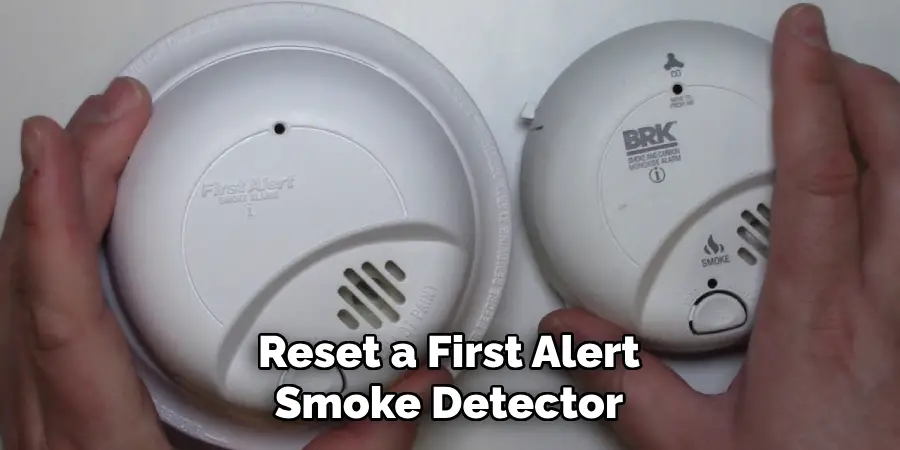
Operation Silence: Your Mission, Should You Choose to Accept It
So, your First Alert unit is singing the song of its people, and you need it to stop. What’s next? First, identify the exact alarm. Is it a continuous shriek, indicating a potential fire, or that annoying chirp? Assuming it's the latter, here's your playbook:
1. The Battery Swap: This is usually the first port of call. Most First Alert detectors use a 9-volt battery. Pop open the cover (check your manual for specifics, but it’s usually a twist or slide mechanism) and swap it out for a fresh one. Make sure you install it correctly! You’d be surprised how often a backward battery is the issue. If your unit is hardwired, it still likely has a backup battery that needs replacing.
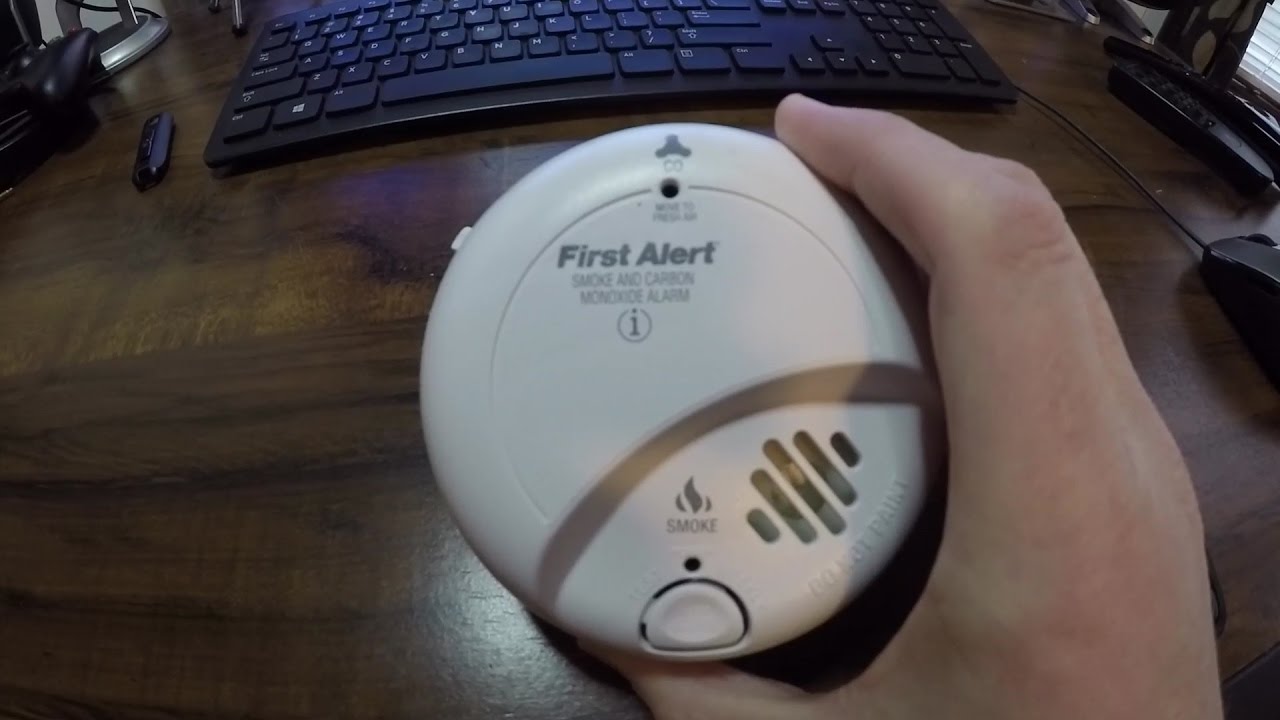
2. The Dust Bunny Bust: Over time, dust and cobwebs can accumulate inside the sensor chamber, mimicking smoke particles. This is especially true if your detector is near a vent or high-traffic area. Gently vacuum around the vents of the detector with a brush attachment or use a can of compressed air to clear out any intruders. Think of it as giving your detector a spa day.
3. The Reset Button: Many detectors have a small reset button. After changing the battery or cleaning, pressing and holding this button for 15-20 seconds can often silence and reset the unit. If it’s still acting up, try completely disconnecting it from its power source (both battery and, if hardwired, the ceiling connection) for a minute or two, then reconnect. It’s the classic "turn it off and on again" solution for home tech.

4. Location, Location, Location: If your alarm frequently goes off from steam or cooking, consider relocating it. Smoke detectors should generally be at least 10 feet away from cooking appliances and bathrooms. Different types of detectors exist too – photoelectric for smoldering fires, ionization for fast-flaming fires. Many modern units are dual-sensor or include carbon monoxide detection for comprehensive safety.
When It's Time to Say Goodbye (and Hello to a New One)
Smoke detectors aren’t forever, folks. Like a beloved pair of sneakers or your favorite streaming show, they have a lifespan. Most manufacturers, including First Alert, recommend replacing your smoke detectors every 7 to 10 years. Even if it seems to be working perfectly, the internal components can degrade over time, making them less reliable.

Pro tip: When you install a new detector, grab a permanent marker and write the installation date on the inside of the cover. It’s a simple hack that saves future you a lot of guesswork. Plus, it makes for a fun little archaeology project years down the line when you discover an alarm from "2024 BC" (Before Caffeine).
Peace of Mind, One Chirp at a Time
A malfunctioning smoke detector, while annoying, is a fantastic reminder to check on all your home safety devices. It's like your house is gently nudging you, "Hey, let's make sure we're all good here." Take a moment to test all your alarms monthly by pressing the test button. It’s a tiny action that offers a huge return: peace of mind.
In a world full of smart devices and complex gadgets, the humble smoke detector stands as a steadfast guardian. Its occasional cry for attention, even if a false alarm, is ultimately a testament to its readiness to protect. So, the next time your First Alert decides to throw a mini-concert, take a deep breath, troubleshoot with these tips, and remember: it's all part of the beautifully imperfect rhythm of home life.