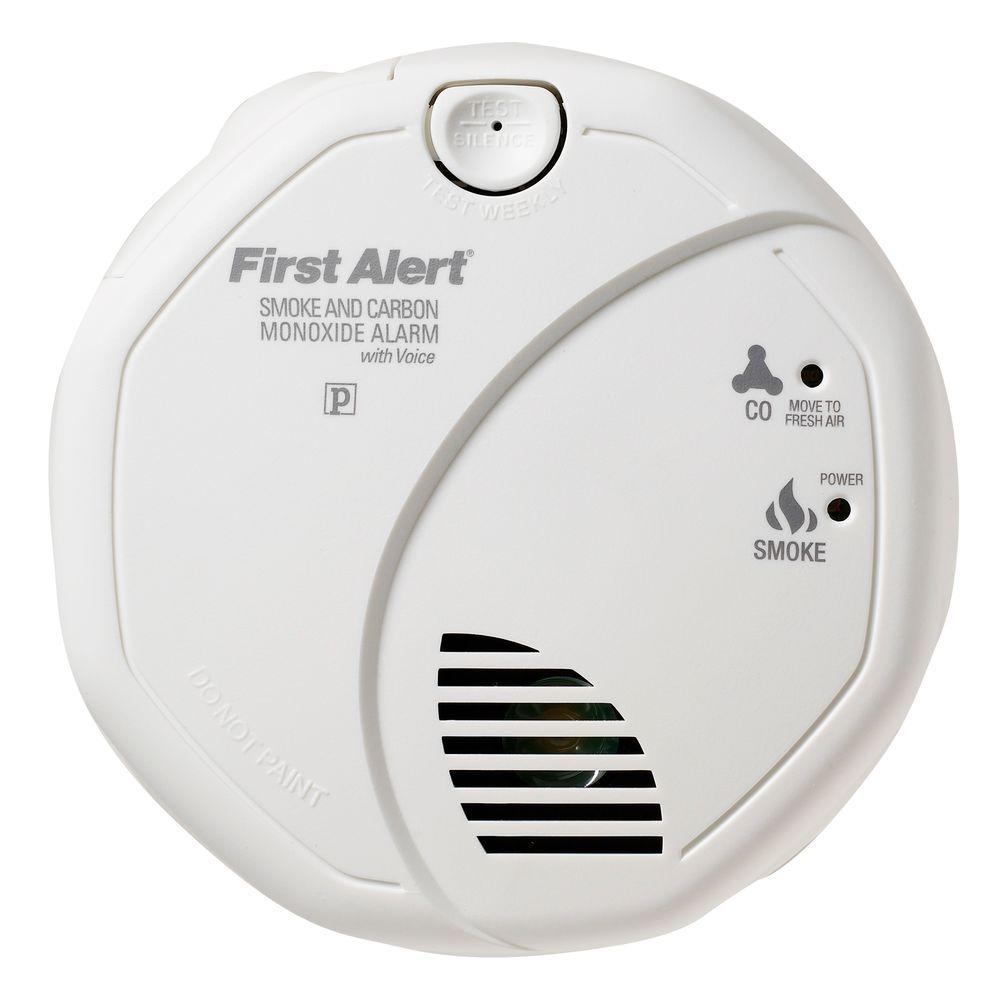
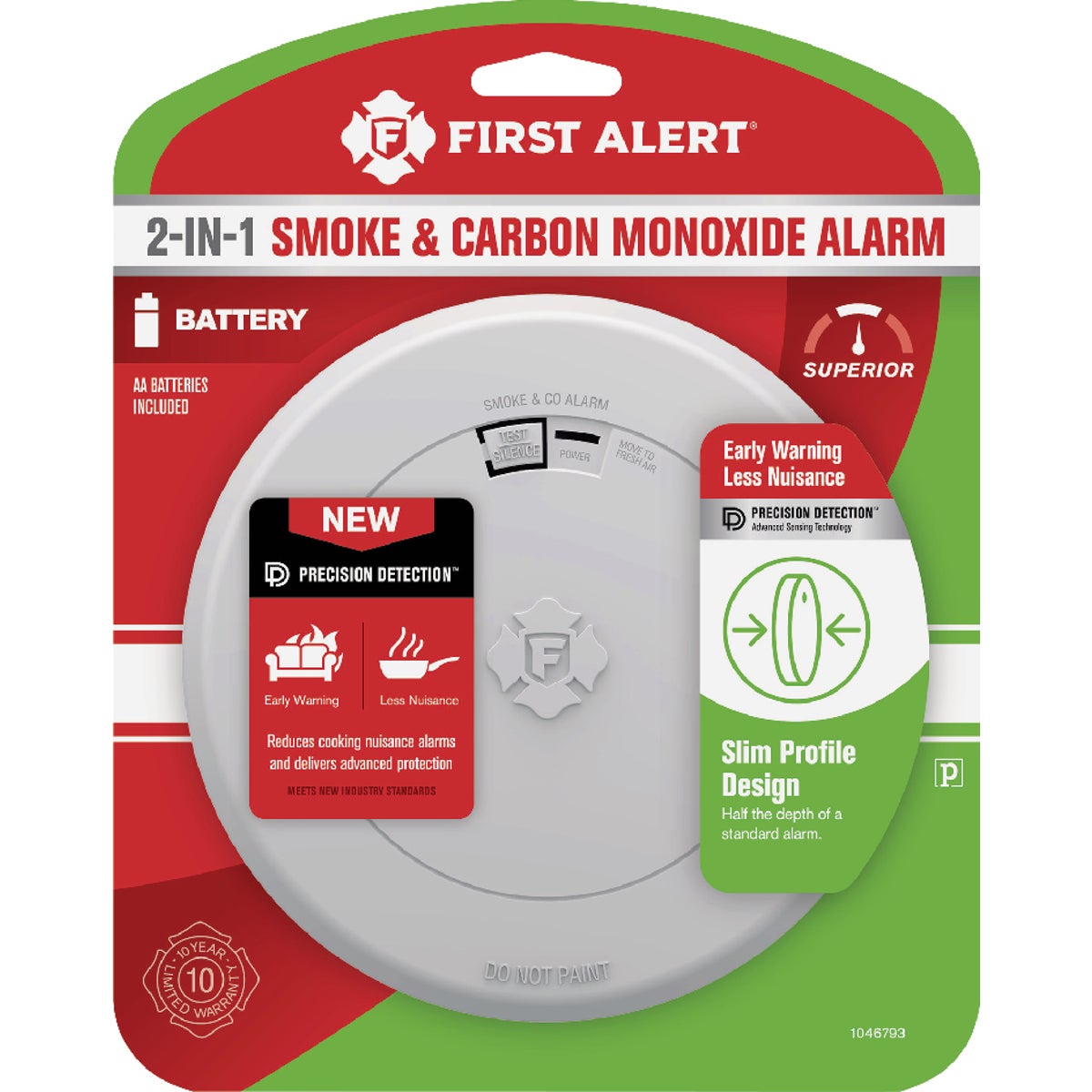
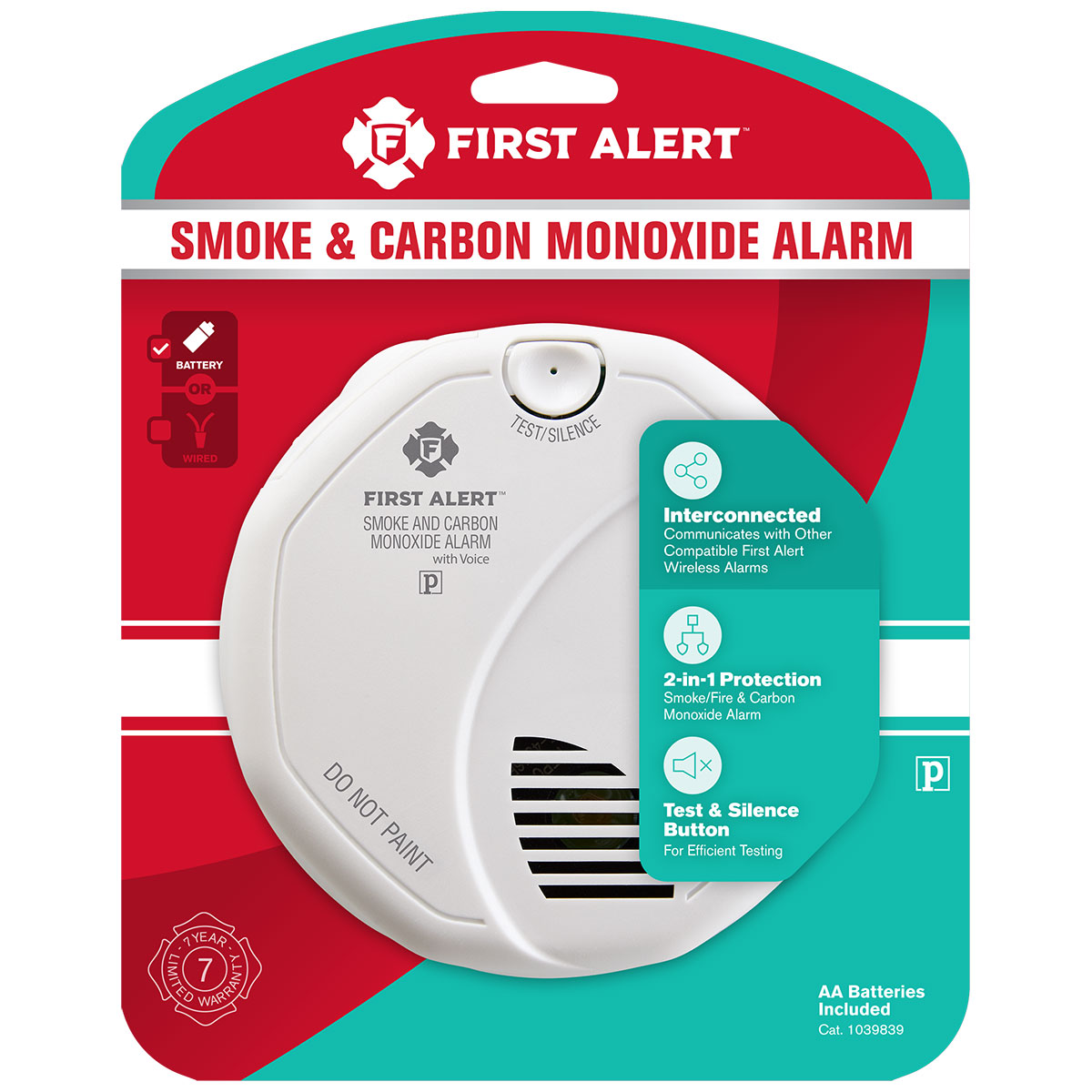
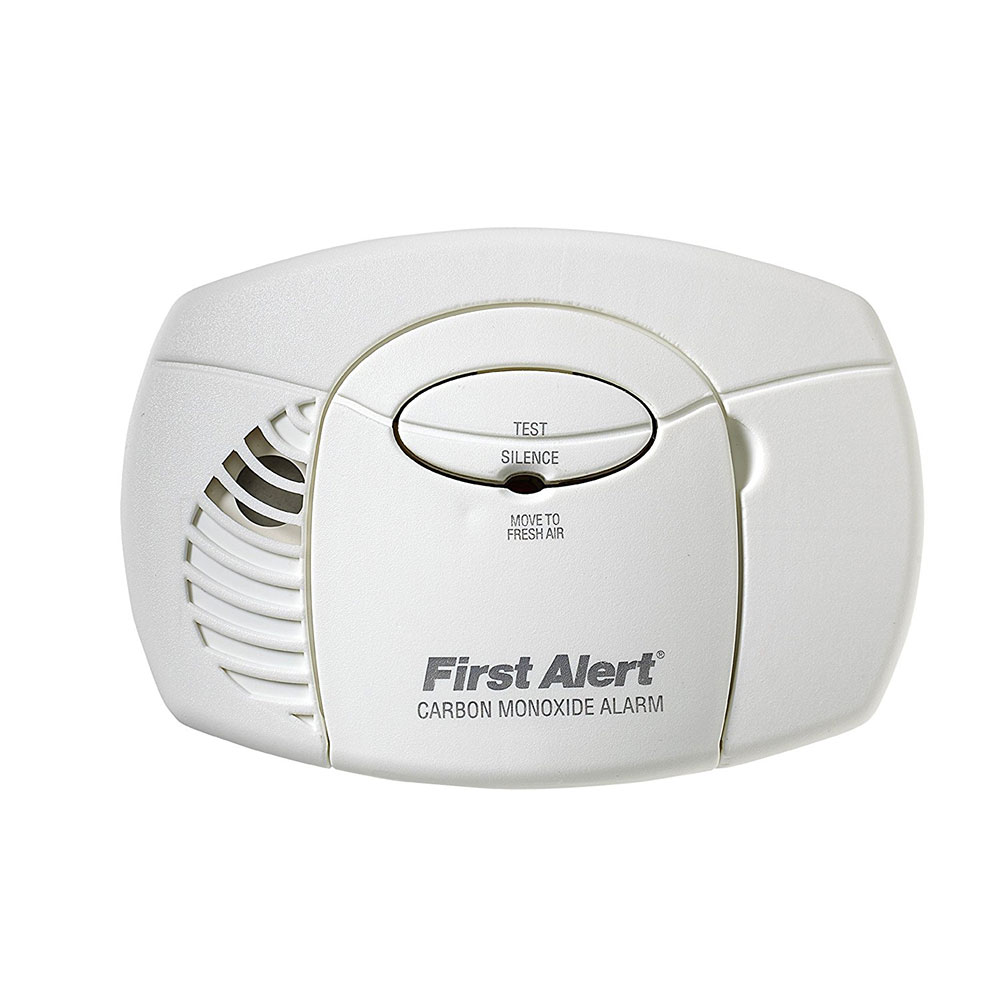
First Alert Smoke And Carbon Monoxide
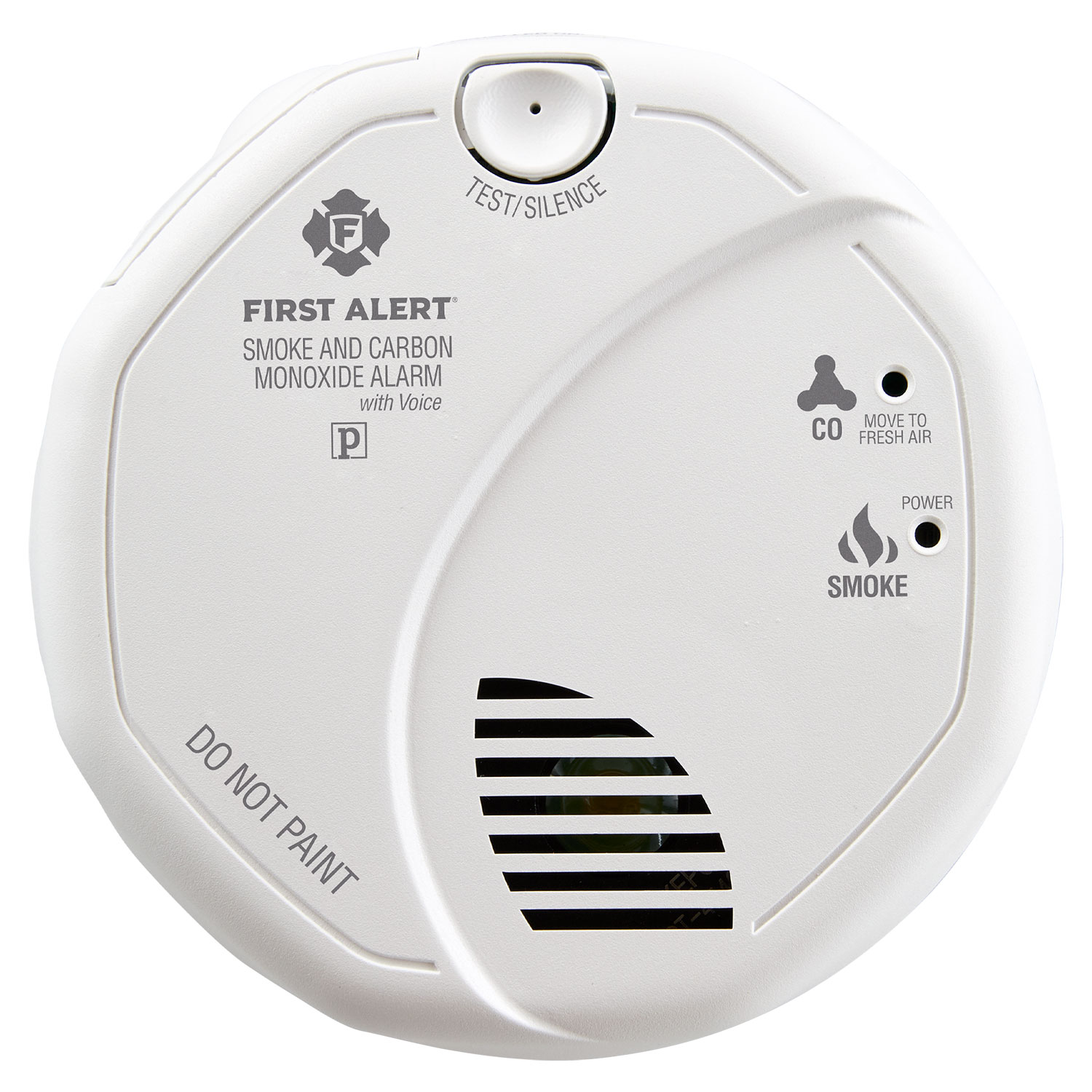
We all have those little luxuries and conveniences that make modern life a bit sweeter, don't we? Maybe it's that perfectly brewed cup of coffee in the morning, the comfort of a warm blanket on a chilly evening, or the sheer joy of a perfectly cooked meal shared with loved ones. What often goes unappreciated, however, are the quiet guardians working behind the scenes, allowing us to truly enjoy these moments without a gnawing worry. Enter the unsung heroes of home safety: your First Alert Smoke and Carbon Monoxide detectors.
While you might not "enjoy" the thought of them in the same way you enjoy a good book, what you absolutely cherish is the profound sense of peace of mind they provide. Imagine savoring that delicious dinner you just whipped up, knowing that if something were to go awry in the kitchen, you'd have an immediate warning. Or consider snuggling into bed on a cold night, confident that any invisible threats like carbon monoxide will be detected long before they become dangerous. That, my friends, is the true purpose and immense benefit these devices bring to our everyday lives.
These dual-purpose gadgets aren't just about yelling at you when you burn the toast (though they excel at that too!). They're designed to protect you from two of the most insidious home hazards. Smoke, of course, is the obvious one, alerting you to fires that can rapidly engulf your home. But the carbon monoxide detector is arguably even more critical. CO is an invisible, odorless, and tasteless gas, often dubbed the "silent killer." It can leak from faulty furnaces, gas stoves, fireplaces, or even car exhaust seeping in from an attached garage. Without a detector, symptoms can mimic the flu, making it incredibly hard to diagnose until it's too late. First Alert devices stand guard, offering crucial information that could save lives and property.
Must Read
So, how do you make the most of these invaluable home defenders? First, ensure you have enough! Place them on every level of your home, inside and outside sleeping areas, and near major appliances like water heaters or furnaces. Avoid placing them too close to cooking appliances (about 10 feet away is a good rule of thumb) to minimize nuisance alarms, but definitely have one in the general area. Second, and this is paramount, test them monthly using the test button. It only takes a second! Third, change the batteries at least annually – a common trick is to do it when you change your clocks for daylight saving time. If your unit is hardwired, still check the battery backup. Finally, remember that these units don't last forever. Most smoke and CO detectors have a lifespan of 7-10 years. Check the manufacturing date on the back and plan for a replacement. A tiny investment in these little heroes ensures that your home remains a sanctuary, allowing you to focus on the things you truly enjoy, knowing you're well-protected.