
First Alert Detector Keeps Going Off

Ever had that moment? You're chilling, maybe reading a book, binge-watching your favorite show, or trying to catch some Zs, when suddenly – BEEP! Or worse, a relentless, ear-splitting Wail! It’s your First Alert detector, and it’s going off. Again. Annoying? Absolutely. But what if, just for a second, we paused the eye-roll and considered what this tiny, insistent device is actually up to? What if its constant chirping isn't just a nuisance, but a fascinating little mystery unfolding right in your own home?
Think about it: this little gadget, often tucked away on a ceiling or high on a wall, is essentially your home's personal guardian, a miniature sentinel constantly on duty. When it decides to vocalize, especially repeatedly, it's not just making noise; it's trying to tell you something important. And that, my friend, is actually pretty cool.
Decoding the Chirp: What's It Really Saying?
Before we dive into the common culprits of the ceaseless beep, let’s appreciate the tech for a moment. Most First Alert devices are either smoke detectors, carbon monoxide (CO) detectors, or a combination of both. These aren't just empty plastic boxes; they're packed with sophisticated sensors, kind of like your phone, but specifically tuned to detect invisible dangers.
Must Read
Smoke detectors often use one of two technologies: ionization or photoelectric. Ionization detectors are brilliant at sensing tiny, fast-burning particles from flaming fires, while photoelectric detectors are heroes when it comes to larger, slow-burning particles from smoldering fires. Pretty neat, right?
Then there are CO detectors. Carbon monoxide is a sneaky, odorless, colorless gas – the ultimate silent killer. These detectors use an electrochemical sensor that reacts with CO, triggering the alarm. They're basically sniffing out danger before you ever could. So, when one of these starts singing, it's not just a random act of protest; it's the result of some very clever engineering doing its job.
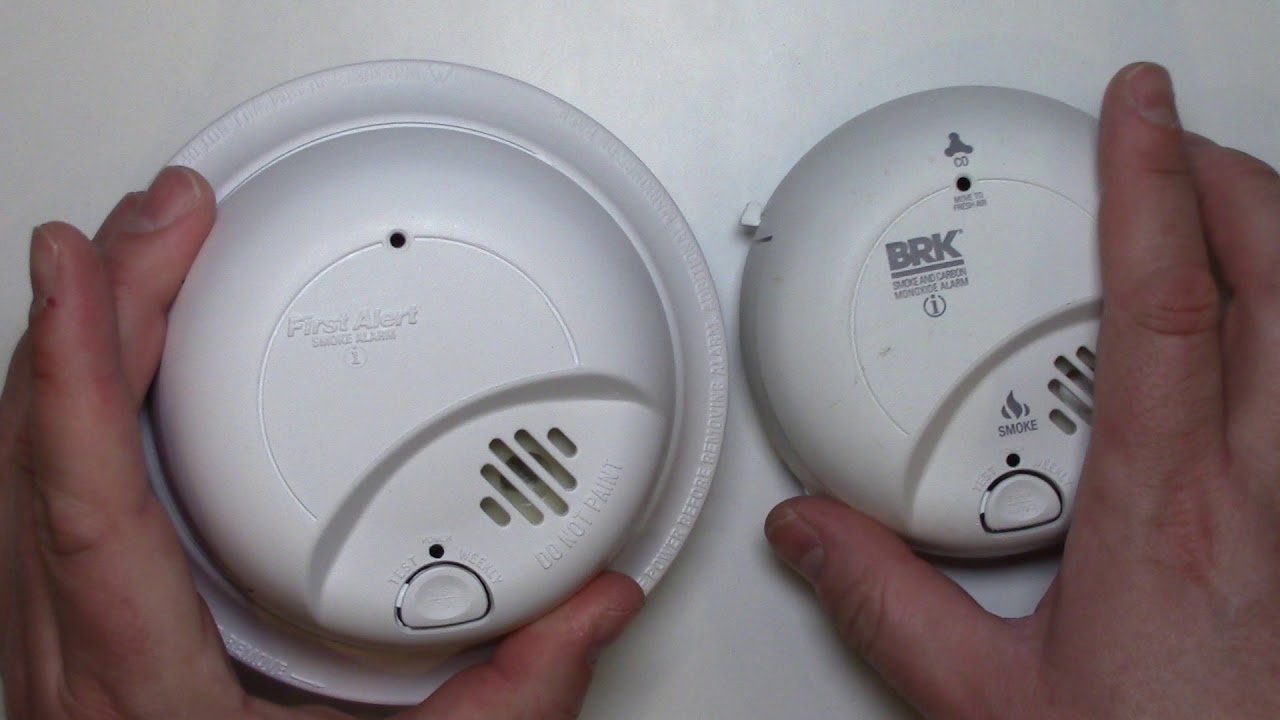
The Usual Suspects: Why the Alarm?
Okay, so we know they're smart. But why do they seem to cry wolf so often? Let's turn that annoyance into an investigation. Here are some of the most common reasons your detector might be having a moment, and why each one is actually kind of interesting:
First up, the classic: the low battery signal. You know the one – that intermittent, lonely chirp that usually kicks off in the middle of the night. Annoying as it is, this isn't a fault; it's a feature! Your detector is literally telling you, "Hey, my energy levels are dipping, please give me a refresh so I can keep protecting you." It's its way of sending a little help request, like a tiny, urgent text message.

Next, let's talk about dust and debris. Imagine a tiny dust bunny, floating through the air, right into the sensor chamber of your smoke detector. To the detector, that little particle might look suspiciously like smoke! It's like a tiny, overly cautious security guard mistaking a leaf blowing in the wind for an intruder. It's a false alarm, sure, but it tells you just how sensitive these devices are to anything in the air.
Or perhaps it's steam from a hot shower or cooking fumes from that epic stir-fry you just made. These invisible culprits can mimic smoke particles, sending your detector into a frenzy. It’s not wrong, per se; it’s just interpreting the environment a little too enthusiastically, like a neighborhood dog barking at every squirrel.
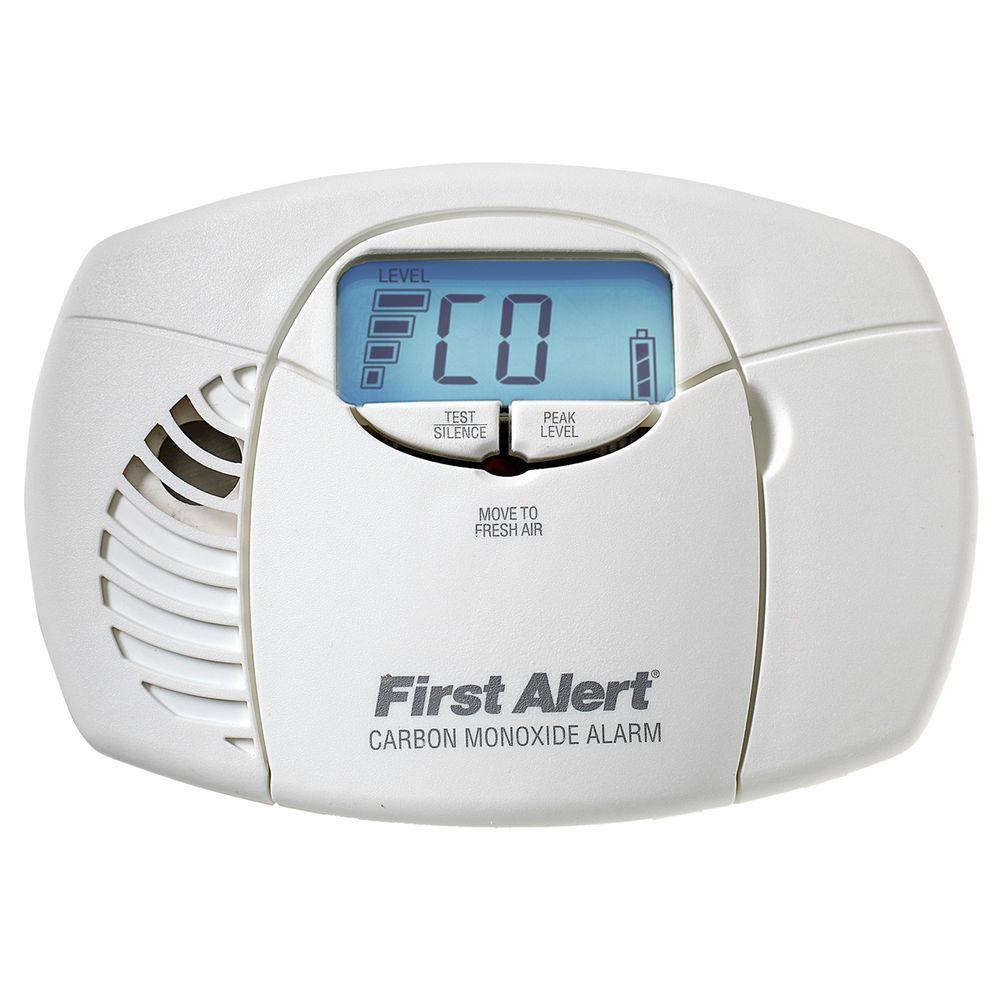
Sometimes, it's aerosol sprays or strong cleaning chemicals. Hairspray, air fresheners, even bug spray can contain particles or volatile organic compounds that confuse your detector's sensitive nose. It's a reminder of all the unseen things we release into our indoor air!
And then there's age. Did you know smoke and CO detectors have an expiration date? Yep, usually around 7-10 years. Over time, their sensors can degrade, becoming less reliable or more prone to false alarms. When an old detector starts acting up, it’s not just broken; it's gracefully (or grumpily) retiring, signaling that it’s time for a fresh recruit to take its place. It's a lifecycle in action, right there on your ceiling!
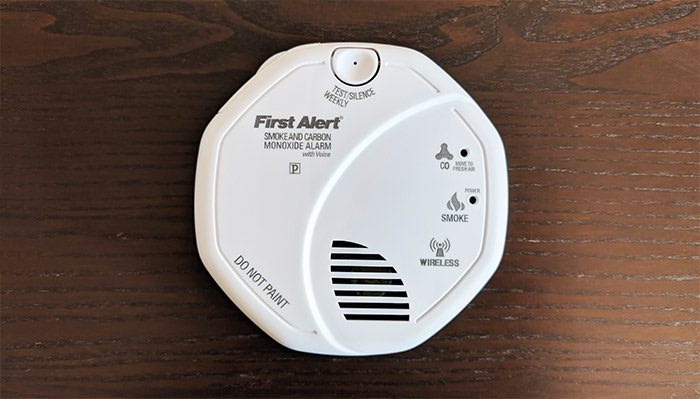
Even temperature and humidity fluctuations can sometimes trigger a fussy detector. A sudden burst of heat or an unusually humid day might just set off a sensitive sensor. It’s like the detector is a tiny, delicate barometer of your home's atmospheric conditions.
Embrace the Detective Work
So, the next time your First Alert detector starts its impromptu concert, try not to just get mad. Instead, lean into the curiosity. Ask yourself: What is it trying to tell me? Is it genuinely detecting something unseen and dangerous, like a subtle gas leak? Or is it simply a sign that it needs a new battery, a good dusting, or maybe even a well-deserved retirement?
This little beeping box is more than just a piece of safety equipment; it's a testament to human ingenuity, a vigilant guardian that, even in its most annoying moments, is constantly working to keep you safe. Its chirps and wails aren't just noise; they're messages, waiting for you to decipher them. And isn't that a rather cool thought, when you stop to think about it?