
Fire Extinguisher For Wood Paper And Fabric
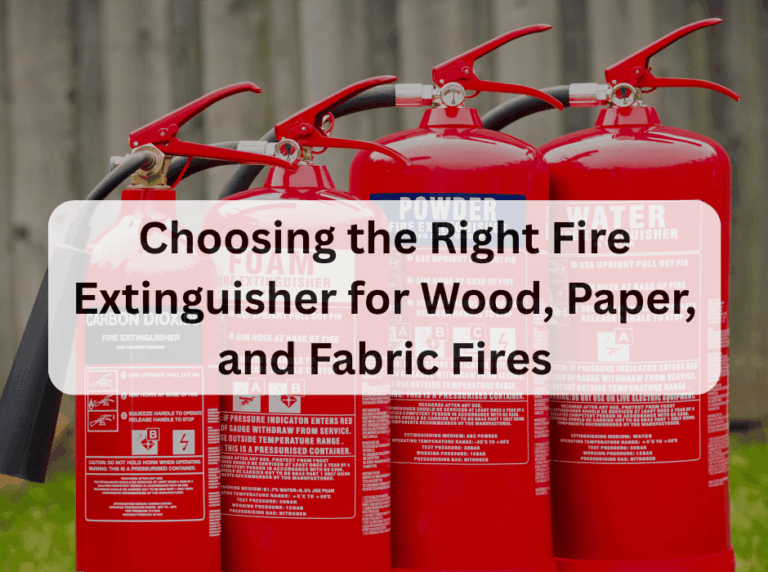
Alright, let’s be real for a sec. We all love a good cozy night in, maybe with a candle flickering just so, or getting lost in a good book. But let's face it, our homes are basically treasure chests of things that love to burn. I'm talking about your beloved wooden coffee table, that stack of mail you swear you'll get to someday, and even your comfy couch. Yup, these everyday heroes of our living spaces are also prime candidates for an impromptu campfire if things go sideways.
Now, nobody wants to think about a fire. It's like thinking about your least favorite relative showing up unannounced – you just try to avoid it. But here’s a little secret: being ready for it is like having a superhero power. And for the most common household flare-ups, your trusty sidekick is often a specific kind of fire extinguisher. We're talking about the one that tackles the everyday, "oops, my toast burst into flames" kind of mess.
Meet the Usual Suspects: Wood, Paper, and Fabric
Think about your house. What’s it made of? Chances are, a whole lot of wood. Your floors, your furniture, the very structure of the place. Then there’s paper: books, magazines, that giant pile of Amazon boxes you haven't broken down yet (no judgment, we've all been there!). And fabric? Oh, glorious fabric! Curtains, blankets, your favorite sweatpants that have seen better days but are just so darn comfortable. These three musketeers of household items fall into what the grown-ups call Class A fires.
Must Read
What makes a Class A fire special? Well, when they burn, they leave an ash. It’s like they're saying, "Yup, I was here, and now I'm just a pile of dusty memories." Think about a campfire – wood burns, leaves ash. A piece of paper goes up in smoke, leaves ash. Your grandpa's old armchair finally kicks the bucket (in a fiery way, hypothetically speaking), leaves ash. See the pattern?
Your Everyday Hero: The Class A Extinguisher
So, what's the perfect antidote for a Class A fire? You might think it's some fancy chemical concoction, but for these guys, the simplest solution is often the best: water. Or, at least, something that acts a whole lot like water. Many household extinguishers are water-based or contain a foam that's mostly water.
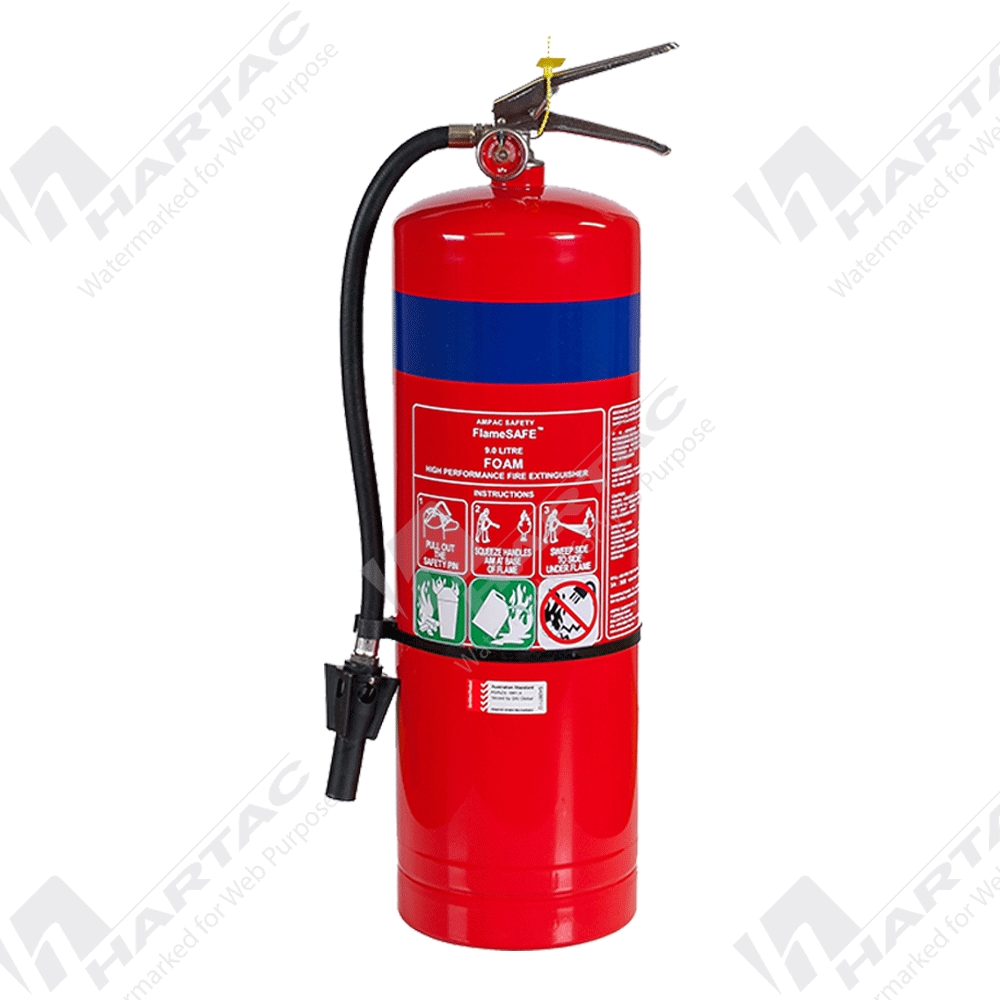
Why water? Because it’s the ultimate party pooper for a fire. It does two brilliant things: first, it cools everything down, taking away the heat that the fire needs to thrive. Imagine trying to keep a bonfire going while someone's hosing it down with ice water – not happening, right? Second, it often smothers the fire, creating a barrier that starves it of oxygen, which is another one of fire's essential life forces.
It's like trying to put out a tiny kitchen fire with a feather duster. It might look impressive, but it’s just not the right tool for the job. You need the big guns, or rather, the correct guns. For wood, paper, and fabric, water is like the fire's arch-nemesis, its kryptonite. It works wonders.
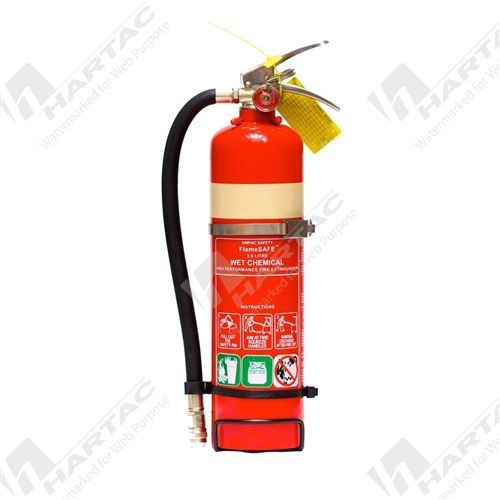
You know that moment when you're cooking, and a pot handle gets a little too close to the burner, and suddenly there's a tiny, frantic plume of smoke? Or when a candle flame gets a bit ambitious and singes the edge of a tablecloth? These are the moments where a Class A extinguisher (or a multi-purpose one that covers Class A) would be your absolute best friend. It’s the difference between a minor "oopsie" and a full-blown "oh no, call everyone!" panic.
Why Bother? It's About Peace of Mind (and Not Panicking)
Having the right extinguisher isn't about being a pessimist; it’s about being a realist who values their stuff (and their eyebrows). It’s like having insurance, but way more satisfying because you can actually do something in the moment. Instead of flapping your hands like a deranged pigeon when a small fire starts, you can calmly (or as calmly as possible) grab your extinguisher and tackle the problem head-on.
Imagine this: you've just whipped up a culinary masterpiece, but a stray tea towel gets a little too cozy with the hob. Panic! But wait! You remember your sleek, red friend tucked away under the sink. A quick, decisive blast, and boom – crisis averted. You're not just a chef; you're a fire-fighting chef. How cool is that?
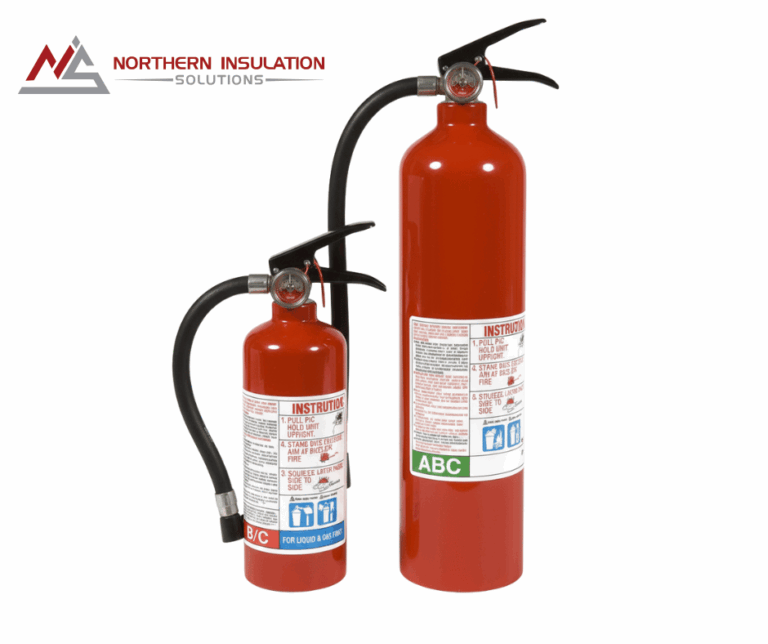
So, take a quick peek around your home. Are there wooden things? Paper things? Fabric things? (Spoiler alert: YES!) Then you probably want a fire extinguisher that's happy to douse those particular flames. Look for an extinguisher rated for Class A fires (often marked with an "A" in a green triangle, or it might be a multi-purpose ABC extinguisher). Keep it handy, but not so handy it's in the way. Near the kitchen, maybe in the garage, or wherever you feel most vulnerable to those fiery little surprises.
It's a small investment for a huge amount of peace of mind. Because while we all hope we never need to use one, knowing you're ready for those wood, paper, and fabric mishaps means you can go back to enjoying your cozy candle-lit nights and good books, without the lingering "what if" playing in the back of your mind. Stay safe, folks, and keep those fiery moments confined to your fireplace – or your super-spicy curry!
