
Fire Carbon Monoxide Detector Beeping

Okay, picture this: You’re finally settling down for a quiet evening. Maybe you’ve got your favorite show cued up, a warm drink in hand, and you’re just about to melt into the couch. The house is silent, peaceful. And then… chirp. Pause. Chirp. Again. And again. Your ears perk up. What was that? You try to ignore it. It’s probably the fridge, or the neighbor’s car alarm, or maybe just a particularly aggressive cricket outside, right?
You try to carry on, but that insidious little sound, once every minute or so, has burrowed its way into your brain. You start walking around the house, head tilted like a confused dog, trying to pinpoint its origin. Is it the kitchen? The bathroom? Nope, definitely coming from… somewhere up. You climb onto a chair, then a counter, feeling like a detective in a bad B-movie, only to finally, finally locate the source. It’s your trusty, yet infuriating, fire or carbon monoxide detector.
Sound familiar? Admit it, you've been there. We all have. That little beep, chirp, or full-blown alarm can send shivers down your spine, mostly from annoyance, but sometimes from genuine panic. But why on earth do these things start beeping in the first place? Let's dive into the mysteries of the beeping box, shall we?
Must Read
The Mystery of the Beep: Decoding the Sounds
First off, it's crucial to understand that not all beeps are created equal. There's a big difference between a chirp and a sustained, ear-splitting alarm. One is a polite (or not-so-polite) nudge, the other is screaming for your immediate attention.
1. The Low Battery Chirp: The Most Common Culprit
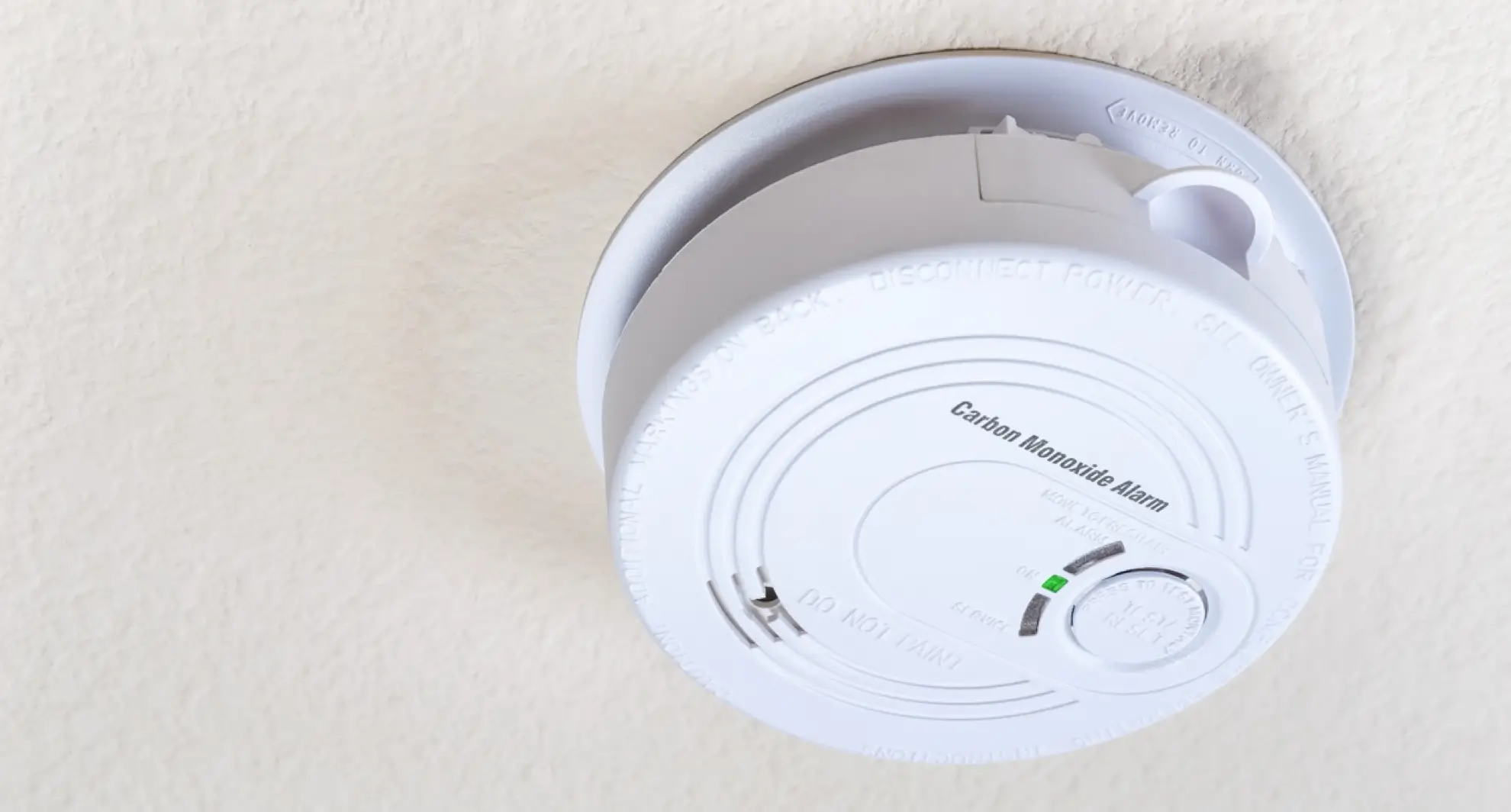
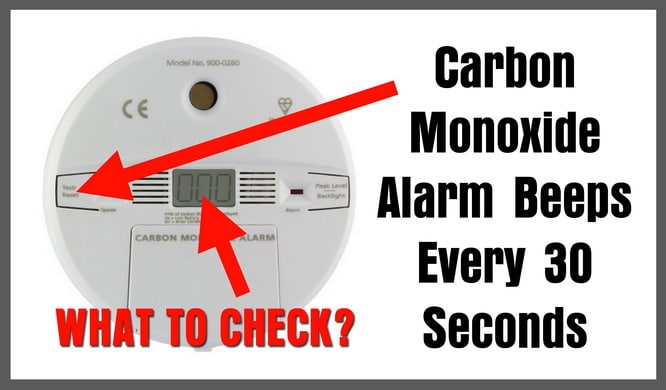
Ah, the classic. This is the one that usually drives us nuts, happening roughly once every 30-60 seconds. It's your detector's way of saying, "Hey, human! My power source is running low! A little help here, please?" This is, without a doubt, the most common reason your detector is making noise. And yet, it's often the last thing we think of after we've checked for ghosts, raccoons in the attic, or a rogue forgotten alarm clock.
2. End-of-Life Warning: They Don't Last Forever!
This one catches a lot of people by surprise. Did you know your smoke and CO detectors have an expiration date? Yep, just like that yogurt in the back of your fridge. Most manufacturers recommend replacing them every 5 to 10 years. After this period, their sensors can become less reliable. When they hit their expiry, they often start chirping or sounding a specific pattern to tell you, "My time has come. Replace me!" It’s a bit sad, really, but totally necessary. Who knew appliances had an expiry date, right?
3. Dust Bunnies and Bug Intruders: Sensor Interference
Sometimes, your detector can get a little… congested. Dust, cobwebs, or even small insects finding their way into the sensing chamber can trigger a false alarm or a confused chirp. Think of it like sneezing when something tickles your nose – the detector is just reacting to an unexpected intruder. A gentle clean can often solve this.

4. False Alarms: Just Being Overdramatic
Steam from a hot shower, smoke from that slightly-too-toasty bagel, or even strong cleaning chemicals can sometimes trigger a fire alarm. Your detector is just doing its job, albeit a little enthusiastically. It thinks there’s a problem, and it’s not going to be shy about telling you!
5. The Real Deal: Actual Smoke or Carbon Monoxide!
Okay, this is the big one, and the reason these devices exist. If your detector is screaming a continuous, loud, and urgent alarm, especially a different sound pattern than the low-battery chirp, it means it's detected something genuinely dangerous: smoke or carbon monoxide. This is not a drill, folks. This is a serious warning that demands your immediate attention and action.
What's the Fix? A Step-by-Step Guide for the Beleaguered Homeowner
So, your detector is beeping. What next? Don't just rip it off the ceiling and throw it into a black hole (tempting as that may be). Here’s what you should do:
- Identify the Sound: Is it a persistent, loud alarm or an intermittent chirp? This is your first clue!
- Check the Battery: If it's chirping, almost always assume it's the battery first. Get a fresh one (or two!). Most detectors use 9-volt batteries, but some use AA or AAA. Don't cheap out on batteries; it's a small price for peace of mind.
- Look for the Expiration Date: Seriously, check the back or side of the unit. There should be a "replace by" date. If it's passed, time for a new one.
- Give it a Clean: Gently vacuum around the vents or wipe it with a damp cloth to remove dust and debris.
- Reset It: After changing the battery or cleaning, press and hold the "test/reset" button for 10-20 seconds. This often clears any lingering issues.
- If it's an Actual Alarm (Smoke): If the loud, continuous alarm goes off, assume there's a fire. Get everyone out of the house immediately and call emergency services from a safe location. Don't go back in for anything.
- If it's an Actual Alarm (Carbon Monoxide): CO is a silent killer. If your CO detector is blaring, get everyone, including pets, outside to fresh air immediately. Do not try to find the source. Once outside, call your local emergency number or the fire department. Don't re-enter until authorities say it's safe.
It's easy to get annoyed by these beeping little boxes, but they are literally designed to save your life and the lives of your loved ones. So, next time you hear that mysterious chirp, embrace your inner detective, but don't forget the ultimate goal: safety first. And maybe keep a spare 9-volt handy. Trust me on that one.
