Expiry Date On Safety First Car Seats

Ah, the joys of parenthood! From that first tiny onesie to their first steps, we want nothing but the absolute best for our little ones. And when it comes to keeping them safe on the road, their car seat is their silent guardian. It's the one piece of gear we trust implicitly to protect them from the unexpected. But here's a little secret that might surprise you, and it's something every parent needs to know: just like that yogurt in your fridge, your child's car seat actually has an expiry date! And understanding why is not just useful, it’s a fantastic way to become an even more informed and confident parent.
So, why would something as robust as a car seat have a shelf life? It's not about planned obsolescence; it's purely about safety first. Think of it this way: your car seat is a complex piece of engineering designed to absorb impact and protect a delicate little passenger. Over time, several factors work together to compromise its effectiveness, making an expiry date not just a suggestion, but a crucial safety measure.
The primary culprit is material degradation. Car seats are made from various materials – sturdy plastics, impact-absorbing foams, and durable fabrics for harnesses. These materials are constantly exposed to temperature fluctuations (hot cars in summer, freezing cold in winter), direct sunlight, humidity, and even the stress of daily use, not to mention spills and crumbs! Over years, these elements can cause plastics to become brittle, foam to lose its cushioning properties, and fabrics to weaken. Imagine leaving a plastic toy out in the sun and rain for years – it gets brittle, right? Your car seat faces similar foes, and a compromised component might not perform as intended during a collision.
Must Read
Another significant reason is the continuous evolution of safety standards and technology. What was cutting-edge ten years ago might be superseded by newer, safer designs today. Manufacturers are constantly researching and innovating to make car seats even safer, incorporating better materials, improved side-impact protection, and more intuitive installation features. An expired seat won't benefit from these advancements, potentially leaving your child less protected than they could be.

Finally, there's the inevitable wear and tear from daily use, and the challenge of knowing a seat's history. Even if a seat hasn't been in an accident (which immediately renders it unsafe and needing replacement!), countless buckling, unbuckling, cleaning, and moving can stress components. The expiry date also helps mitigate risks associated with buying used seats, where their history (accidents, storage conditions, proper cleaning) is unknown. By adhering to the expiry date, you ensure the seat is operating within the manufacturer’s tested safety parameters, giving you invaluable peace of mind.
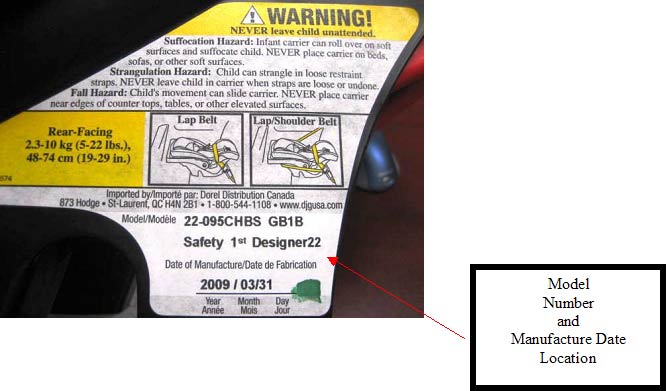
Finding the expiry date is usually straightforward: look for a label or stamp on the back or bottom of the car seat. It will often list the date of manufacture and an expiry date. By understanding and respecting this simple date, you’re making a proactive choice for your child’s utmost safety. So, next time you check the label, you'll know it's not just a date – it's a vital part of keeping your little one secure, sound, and ready for their next adventure!