Does Semaglutide Make Your Heart Race

Alright, pull up a chair, grab a latte (skinny, of course, we're talking about weight loss drugs here!), and let's chat about semaglutide and your ticker. You've probably heard whispers about this magical weight-loss injection, maybe even seen the ads with suspiciously happy people frolicking on beaches. But does it come with a free side of palpitations? Does semaglutide make your heart do the cha-cha?
The short, slightly unsatisfying answer is: it depends. Buckle up, buttercup, we're diving into the gloriously complicated world of medical side effects!
The Semaglutide Lowdown (in Layman's Terms)
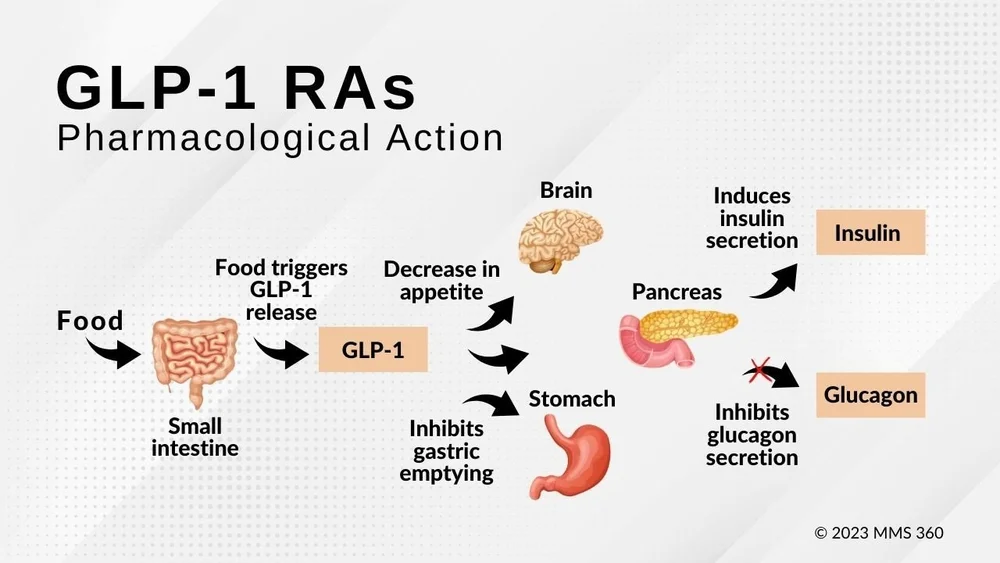
Semaglutide, sold under brand names like Ozempic and Wegovy, is a GLP-1 receptor agonist. Sounds scary, right? Don't worry, it just means it mimics a natural hormone in your body that helps regulate blood sugar and appetite. Think of it as a tiny, very bossy cheerleader for your pancreas and stomach, yelling at them to get their act together.
Must Read
It works by slowing down the emptying of your stomach (so you feel full longer), and by telling your pancreas to release insulin when your blood sugar is high. Basically, it helps your body manage its sugar and hunger cues, which can lead to weight loss. It's like having a personal assistant for your digestive system! (Disclaimer: I'm not a doctor, don't actually hire your digestive system a personal assistant.)
So, Where Does the Racing Heart Fit In?
Okay, here's where things get interesting. One of the possible side effects of semaglutide is an increased heart rate. Now, before you start picturing your heart drumming a heavy metal solo, let's clarify. We're not talking about going from a chill 60 bpm to a frantic 200 bpm while you're just sitting on the couch.
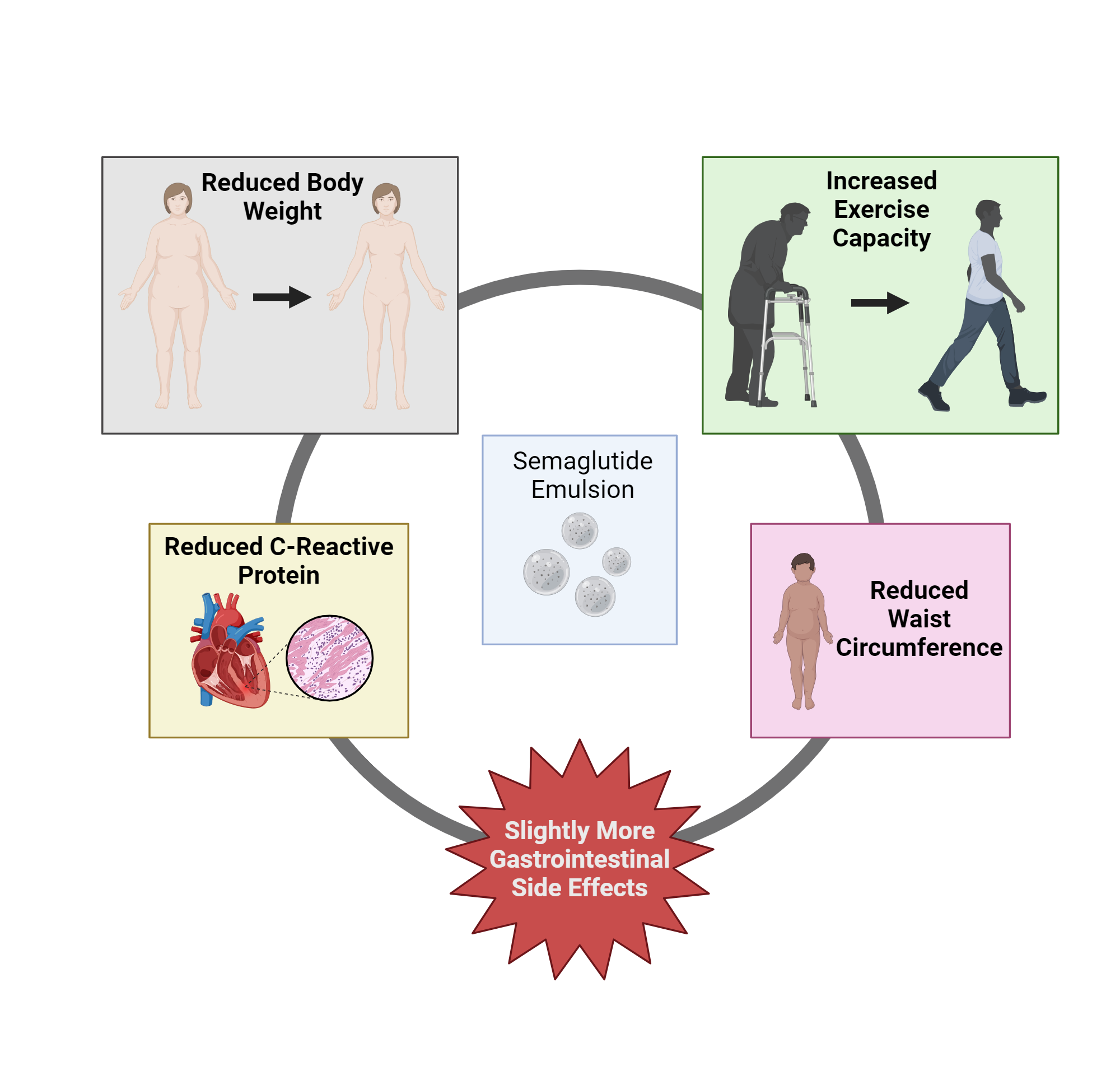
Think of it more like a slight tempo increase. Studies have shown a modest increase in resting heart rate, usually a few beats per minute. For most people, this isn't a big deal. They might not even notice it. For others, especially those with pre-existing heart conditions, it could be more noticeable, and potentially problematic.
Why does this happen? Well, it's not entirely clear, but here are a few theories:
- Sympathetic Nervous System Activation: Semaglutide might stimulate the sympathetic nervous system, which is responsible for the "fight or flight" response. It’s like your body is prepping for a marathon…even though you're just reaching for a carrot stick.
- Dehydration: Semaglutide can cause nausea and vomiting in some people, which can lead to dehydration. Dehydration, as we all know (or should know!), can make your heart work harder and beat faster. Water is your friend, people!
- The Weight Loss Itself: Believe it or not, losing weight can actually affect your heart rate. As you get smaller, your heart might not need to pump as hard to circulate blood throughout your body. It's counterintuitive, I know!
When to Worry (and When to Just Breathe)
Alright, let's get real for a second. If you're taking semaglutide and you're feeling like your heart is trying to escape your chest, talk to your doctor immediately. Don't try to diagnose yourself with WebMD after downing a family-sized bag of potato chips.
Here are some red flags to watch out for:
- Persistent palpitations: Feeling like your heart is skipping beats or fluttering in your chest.
- Dizziness or lightheadedness: Feeling faint or unsteady.
- Chest pain: Any discomfort or tightness in your chest.
- Shortness of breath: Having difficulty breathing.
On the other hand, if you're just feeling a slight increase in your heart rate that doesn't bother you, it's probably nothing to worry about. Just keep an eye on it and mention it to your doctor at your next check-up.

The Bottom Line: Listen to Your Body (and Your Doctor!)
Look, semaglutide can be a powerful tool for weight loss, but it's not a magic bullet. It's important to be aware of the potential side effects and to work closely with your doctor to make sure it's the right choice for you. If you do decide to take it, pay attention to how your body is responding. Are you feeling great? Awesome! Are you feeling like your heart is auditioning for a drum solo? Tell your doctor!
And remember, a healthy lifestyle – including a balanced diet, regular exercise, and stress management – is always the best way to keep your heart happy and healthy. So, put down the donut, lace up your sneakers, and go for a walk. Your heart will thank you for it. Now if you'll excuse me, I'm off to chase after my own digestive system's personal assistant - I think it ran off with my skinny latte.
Disclaimer: This article is for informational purposes only and does not constitute medical advice. Always consult with a qualified healthcare professional before making any decisions about your health or treatment.