
Does Fire Alarm Go Off For Carbon Monoxide
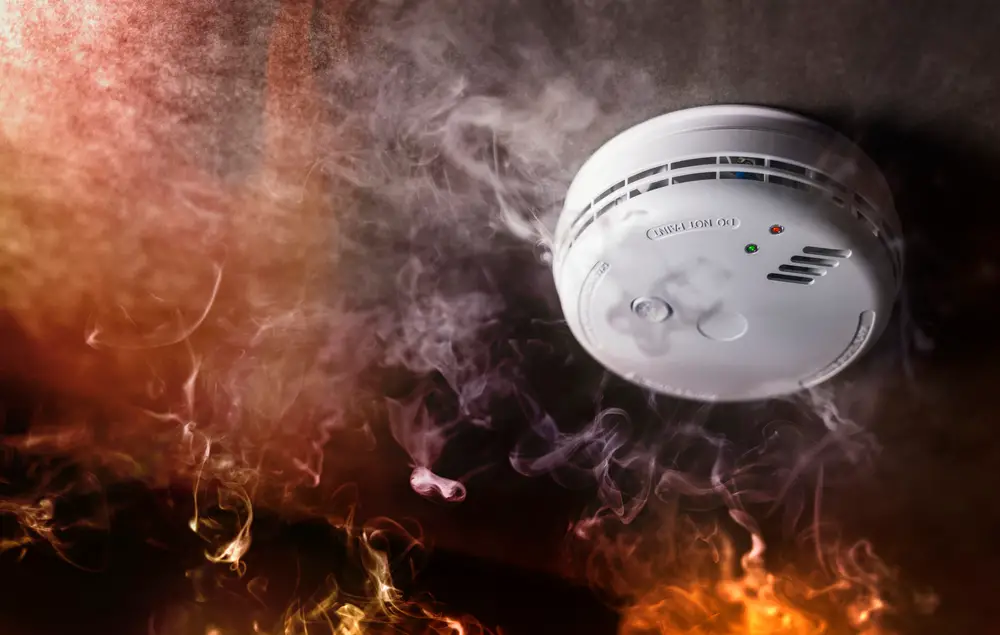
Alright, settle in, grab your imaginary coffee. We're about to tackle one of life's truly baffling, often shrieking, mysteries: Does a fire alarm go off for carbon monoxide? It's a question that probably pops into your head right after you've burnt toast for the third time this week, or perhaps when your furnace starts making that funny "uh-oh" sound.
Let's be real, most of us lump all those loud, ear-splitting devices on our ceilings into one big, terrifying category: the "shrieking demon of impending doom" or, more commonly, the "fire alarm." But here's the kicker, folks: while they share a penchant for making your heart race, they're actually like two different superheroes with different arch-nemeses.
The Case of the Fiery Foe: Smoke Alarms
First up, let's talk about the OG, the classic, the one that hates your cooking: the smoke alarm. This bad boy is designed to detect, well, smoke. Burnt popcorn? Check. That time you tried to flambé something and almost burnt down the kitchen? Double-check. A real, honest-to-goodness house fire? Absolutely, thankfully, check.
Must Read
Smoke alarms are looking for visible or invisible particles of combustion. They're like tiny, vigilant sentinels, sniffing the air for tell-tale signs of a fire. They react to heat, smoke, and sometimes even the steam from a super-hot shower (because apparently, your shower is a fire hazard in disguise).
The Silent Sneak: Carbon Monoxide Alarms
Now, meet the other player in our safety drama: the carbon monoxide alarm. This is where things get a little more sophisticated, a little more… invisible. Carbon monoxide (CO) is a truly nefarious gas. It's often dubbed "the silent killer" for a very good reason: you can't see it, you can't smell it, and you can't taste it. It's like the ninja of dangerous gases, lurking without a trace until it's too late.
So, does your standard, run-of-the-mill smoke detector pick up on this invisible assassin? The simple, straightforward answer is: No, not usually. A smoke alarm, by itself, is as clueless about carbon monoxide as I am about quantum physics. They operate on entirely different principles, sensing different things in the air.
Imagine asking a dog to meow. It's just not what it's built for, right? Same goes for smoke alarms and CO. They're both life-savers, but they have different superpowers.
The Plot Twist: The Combo Alarm!
Ah, but here's where the confusion, and indeed, the genius of modern safety tech, comes in! Many, many homes these days aren't just sporting a standalone smoke detector. Oh no. They're rocking the all-in-one, the multi-tasking marvel: the combination smoke and carbon monoxide alarm!

These clever gadgets are like the Swiss Army knife of home safety. They have two distinct sensors packed into one sleek unit. One sensor is diligently looking for smoke and heat (just like your old faithful fire alarm), while the other is specifically tuned to detect dangerous levels of carbon monoxide. It's a two-for-one deal, providing double the peace of mind.
So, if you hear a shrieking from your ceiling and suspect CO, and your device happens to be one of these super-smart combo units, then yes, it absolutely will go off for carbon monoxide! The alarm might even sound differently or have a specific voice message to tell you exactly what the problem is – "Fire! Fire!" versus "Carbon Monoxide! Carbon Monoxide!" – which is super helpful, because panicking intelligently is always better than just panicking.
How Do You Know What You Have?
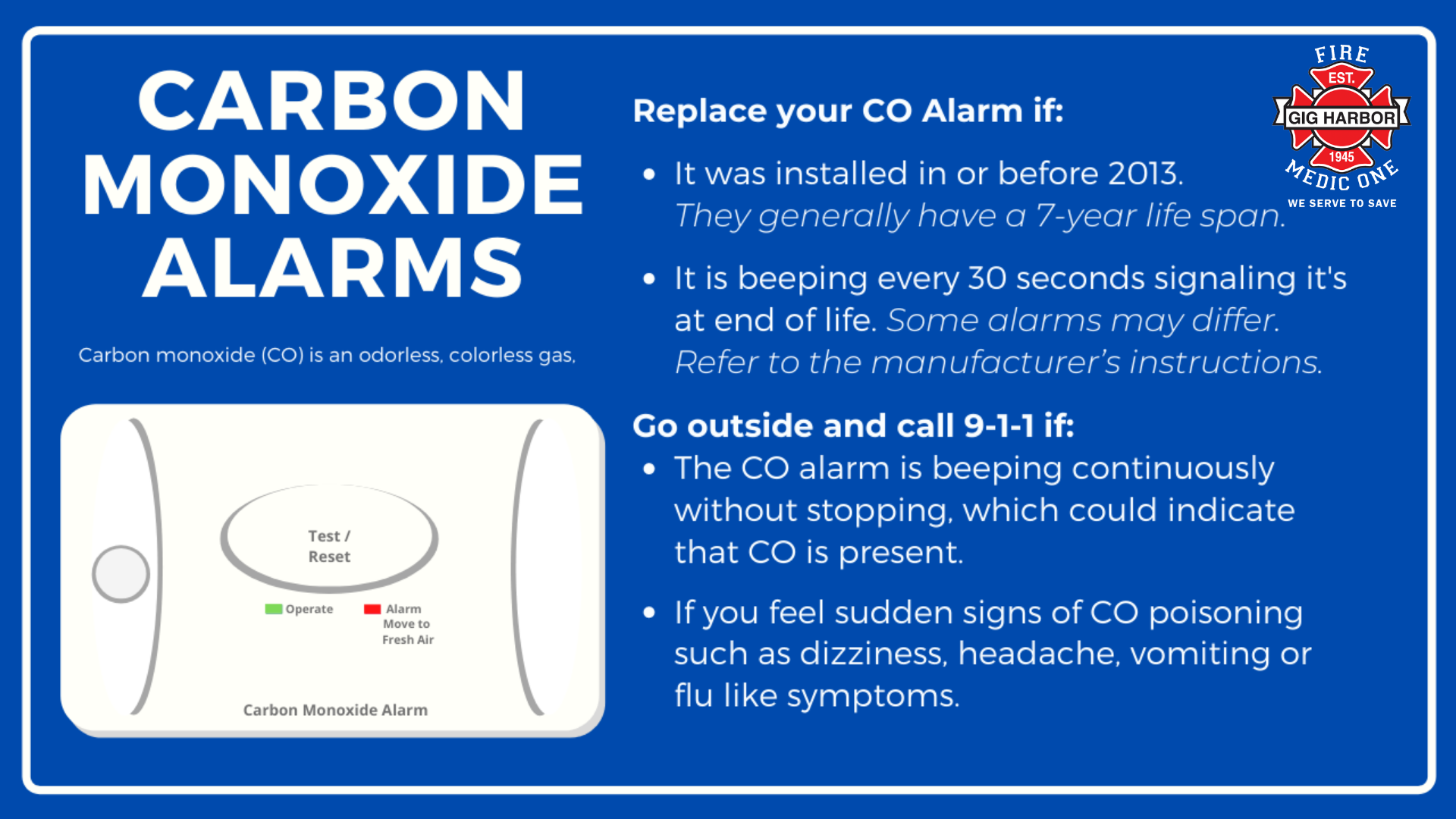
This is crucial! Don't just assume. Take a peek at your devices. Often, they'll have "Smoke and Carbon Monoxide" or "CO/Smoke Alarm" printed right on them. If it's an older model, or if you're not sure, it's always best to err on the side of caution and get dedicated carbon monoxide detectors.
You should have CO detectors on every level of your home, especially near sleeping areas. Seriously, this isn't a joke. Carbon monoxide poisoning is a real danger, and these alarms are your first line of defense against an invisible threat that can make you feel sleepy, confused, and eventually, much, much worse.
What to Do When It Goes Off
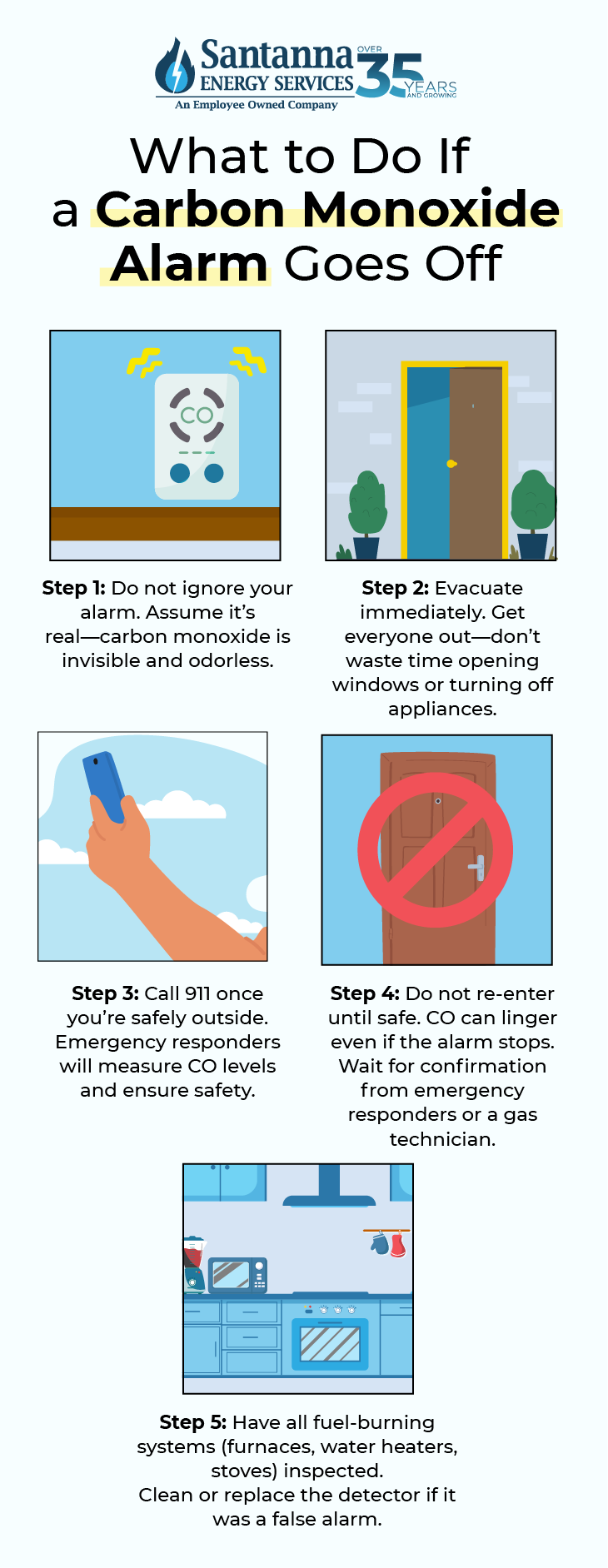
If your CO alarm (whether standalone or part of a combo) starts yelling at you, do not ignore it! This isn't burnt toast. This is serious. Get everyone out of the house immediately, including pets, and then call 911 or your local emergency number from a safe location outside. Don't go back in until emergency services say it's safe.

It might seem like a hassle, but it's a small price to pay for literally saving lives. And while you're at it, remember to test all your alarms regularly (at least once a month!) and replace batteries annually, or the whole unit every 5-10 years, depending on the manufacturer's instructions. They're not decorative; they're vital!
The Takeaway
So, to bring it all back to our coffee shop chat: a dedicated fire alarm won't detect carbon monoxide. A dedicated carbon monoxide alarm won't detect fire (unless it melts, I suppose, but that's not ideal). But those brilliant combo alarms? They've got your back on both fronts! It's all about knowing what's actually plugged into your ceiling.
Stay safe, my friends, and always remember: when in doubt, check it out! And maybe lay off the experimental flambé for a bit.