Does Dimming Led Lights Save Electricity

Alright, confession time. My partner (let's call them "The Energy Czar") has this habit. Every single time we walk into a room where the lights are on full blast, they immediately reach for the dimmer switch. "We don't need it that bright!" they'll exclaim, often followed by a satisfied nod as the room softens a few notches. For years, I've just nodded along, vaguely thinking, "Yeah, less light, less electricity, makes sense, right?" But deep down, a tiny, nagging voice in my head always wondered: Does it actually make a significant difference, or is it just a feel-good gesture?
And then it hit me. We’ve all switched to LEDs, haven't we? Those super-efficient, long-lasting marvels that promised to slash our electricity bills. So, with these newfangled lights, does dimming them still save energy, or is it like trying to save water by turning down the tap on a leaky faucet – a bit futile?
The Big Question: Do LEDs Play By the Old Rules?
Back in the day, with incandescent bulbs, dimming definitely saved electricity. Those old bulbs worked by heating a filament until it glowed. Dimming meant sending less power, which meant less heat, less light, and less electricity consumed. Simple physics, really. You could almost feel the savings in the cooler glow.
Must Read
But LEDs are a different beast entirely. They don’t rely on heat. Instead, they use semiconductors to convert electricity directly into light. So, when you dim an LED, are you actually cutting down on the electrons flowing, or are you just... filtering the light somehow? (Spoiler alert: it’s not filtering!)
The Science Bit (Don't Worry, It's Gentle)
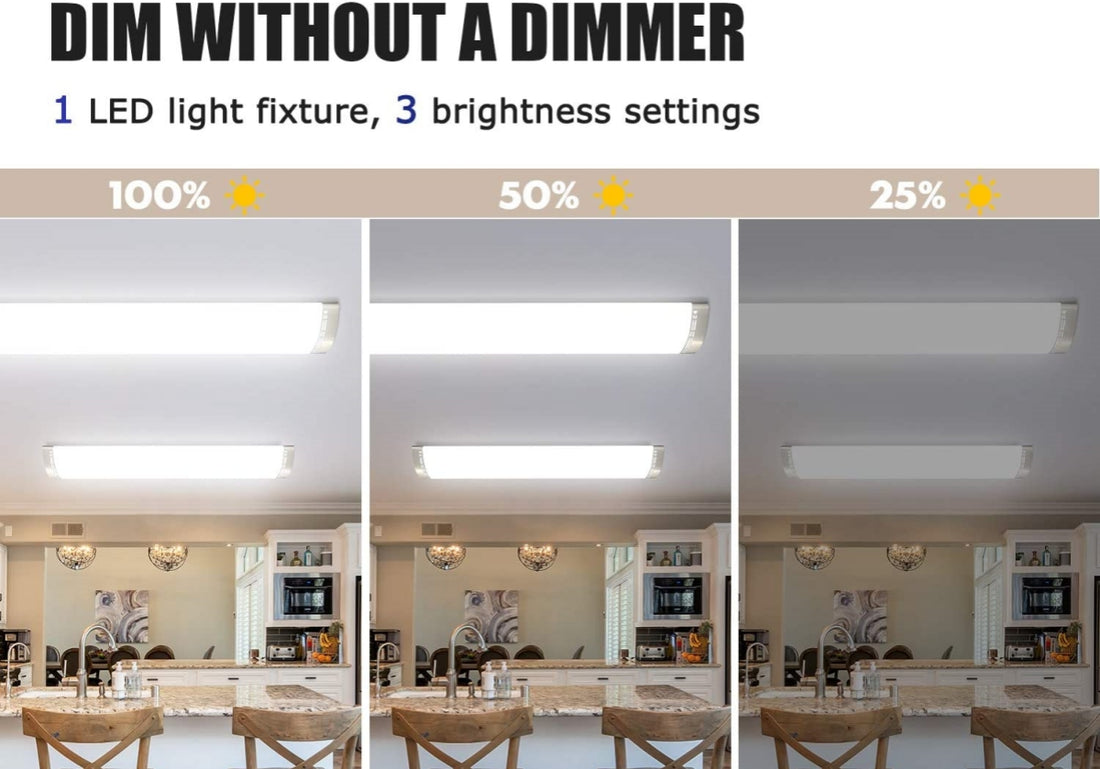
When you dim an LED light, what's actually happening is that the dimmer (or more accurately, the LED driver within the bulb) is reducing the amount of electrical current flowing to the LED chips. Less current means less light output, and crucially, less power consumed. Ta-da! It’s not magic, it’s just smart engineering.

Think of it like this: if you're jogging, you're using energy. If you slow down to a walk, you're using less energy. Dimming an LED is like telling it to take a leisurely stroll instead of a full-on sprint. It's still moving (producing light), but it's doing so with less effort (less electricity).
But How Much Are We Really Saving?
Okay, so we've established that yes, dimming LEDs does save electricity. But is it a linear saving? Meaning, if you dim an LED to 50% brightness, are you saving exactly 50% of the electricity? This is where it gets a tiny bit nuanced, my friend.
Generally, with a good quality LED bulb and a compatible dimmer, the power savings are pretty close to linear, but usually not perfectly linear. Dimming to 50% light output might save you roughly 40-50% of the electricity. Why not exactly 50%? Well, the LED driver itself still needs a little bit of juice to operate, regardless of the dimming level. It's like your car's engine still consuming a tiny bit of fuel even when idling.

However, don't let that minor inefficiency fool you. The savings are still substantial! We're not talking about rounding errors here. We're talking about noticeable reductions in your energy consumption, especially if you're a diligent dimmer like The Energy Czar.
Beyond the Bill: The Longevity Bonus!
Here’s another cool benefit that often gets overlooked: dimming your LEDs can actually extend their lifespan! LEDs degrade over time, and heat is one of their biggest enemies. When you dim an LED, you're reducing the current flowing through it, which in turn reduces the amount of heat it generates. Less heat means less stress on the components, and a longer, happier life for your beloved bulb.
So, you're not just saving a few pennies on your electricity bill; you're also pushing back the day you have to climb up on a chair and replace that bulb. That's a win-win in my book!
A Few Quick Tips for the Savvy Dimmer:
- Use LED-Compatible Dimmers: Old dimmers designed for incandescents often don't play nice with LEDs, leading to flickering, buzzing, or poor dimming performance. Make sure your dimmer is specifically rated for LEDs.
- Quality Matters: Higher quality LED bulbs and drivers tend to dim more smoothly and efficiently.
- Don't Be Afraid to Go Low: Some LEDs can dim down to 5% or even 1% light output, offering truly dramatic ambiance and significant power savings.
The Verdict from Your Friendly (and Slightly Ironic) Blogger
So, to circle back to my initial dilemma and The Energy Czar's unwavering commitment: yes, dimming your LED lights absolutely saves electricity. And not just a tiny, insignificant amount, but a noticeable chunk, especially when you consider how many hours your lights are on throughout the day (and night!). Plus, you get that sweet, sweet longevity bonus.
So, next time you instinctively reach for that dimmer switch, give yourself a pat on the back. You're not just setting the mood; you're also being a savvy energy saver, an eco-warrior, and a future-thinker all rolled into one. My partner was right all along. Don't tell them I said that, though. My reputation as the resident skeptic must be maintained!