
Does Carbon Monoxide Gas Rise Or Fall
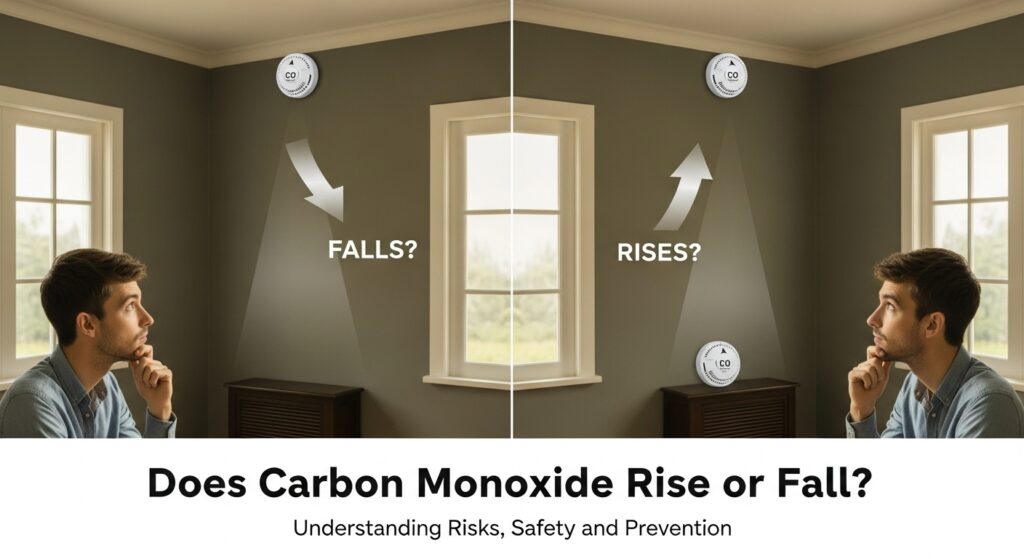
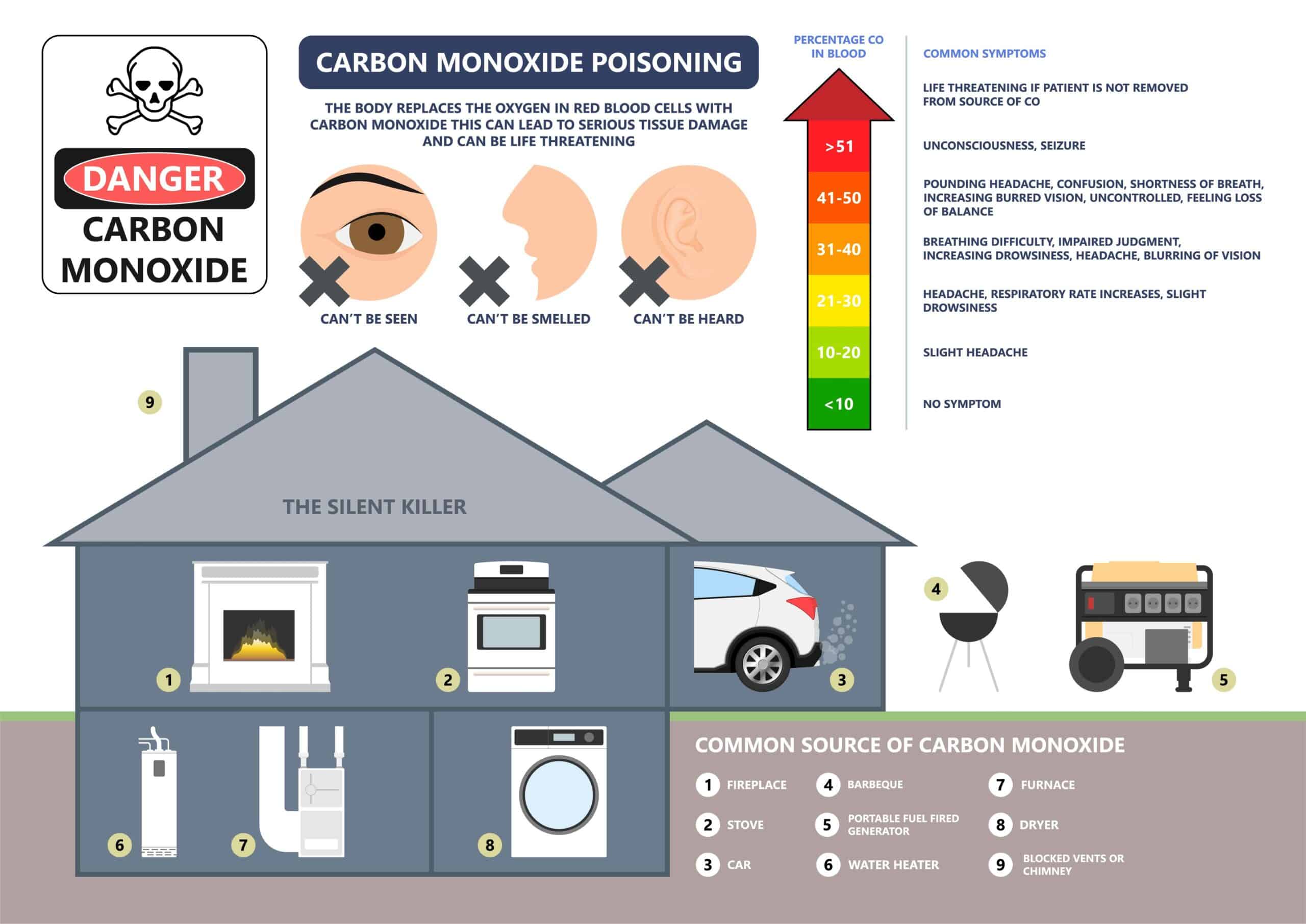
Alright, let's talk about something super fascinating, and honestly, a little bit mysterious: Carbon Monoxide (CO). We all know it's dangerous, right? It's that invisible, odorless, tasteless gas that earns its chilling nickname, the "silent killer." But beyond the scary bits, have you ever stopped to wonder how this sneaky gas actually behaves in your home?
Specifically, a question that often pops up, and one that's surprisingly counter-intuitive for many of us, is this:
Does Carbon Monoxide Gas Rise Or Fall?
It’s a great question! Our brains naturally try to make sense of the world by comparing things. We see hot air balloons rise, and we know that dense, cold air tends to sink. Helium floats, while water always falls. So, when we think about a gas, especially one as notoriously problematic as CO, our instincts might tell us it's either going to shoot straight up to the ceiling or puddle on the floor.
Must Read
What's your gut feeling? Does CO, this invisible menace, defy gravity or succumb to it?
Most people might guess it's a "heavy" gas, so it would fall and collect near the floor. Or perhaps, because it's often associated with combustion (like a faulty furnace or car exhaust), some might think it's "hot" and therefore rises. Both are totally reasonable guesses, given how other gases behave!
But here's where it gets interesting and a little bit mind-bending. The truth about carbon monoxide is far more... social.
It’s All About Density, My Friend
Don't worry, we're not going to get bogged down in complicated science here. Think of density as how "packed" something is. A feather is less dense than a brick, right? Air itself is actually a mixture of gases – mostly nitrogen and oxygen, with a sprinkle of other bits.
Now, for the big reveal. Let's compare carbon monoxide to the air around it.
- Air (average density): approximately 29 g/mol
- Carbon Monoxide (CO) density: approximately 28 g/mol
See those numbers? They are incredibly close! Carbon monoxide is only slightly lighter than the average air we breathe. We’re talking about a difference so tiny it’s almost negligible in most real-world scenarios.

So, What Does That Mean In Your Living Room?
Because carbon monoxide is so similar in density to air, it doesn't really "choose a side." It doesn't distinctly rise to the ceiling like a helium balloon, and it doesn't dramatically fall and pool on the floor like a heavy fog.
Instead, it does something even sneakier: it mixes.
Think about adding a drop of food coloring to a glass of water. It doesn't immediately sink to the bottom or float to the top; it gradually spreads out, blending with the water until it's evenly distributed. Carbon monoxide behaves much the same way in a room. It diffuses and becomes part of the air you’re breathing, wherever that air happens to be.

Why This Is Super Cool (And Important!)
This mixing behavior isn't just a quirky scientific fact; it's hugely significant for understanding how CO works and, crucially, how to protect ourselves from it.
1. It Makes It Extra Sneaky: If CO always gathered in one place, like a visible layer on the floor or a cloud at the ceiling, we might be able to detect it more easily without a device. But because it mixes so readily, it becomes an undetectable, insidious component of the very air you're breathing, no matter where you are in the room.
2. Detector Placement Just Got Simpler: You might have heard advice about placing carbon monoxide detectors high or low. The cool truth is, because CO mixes evenly with air, the exact height isn't as critical as for gases that clearly rise or fall. What's most important is placing them where you'll hear them and where they can detect the gas in your breathing zone – typically chest height or higher, in living areas and near sleeping areas. This is a common point of confusion, and now you know why!
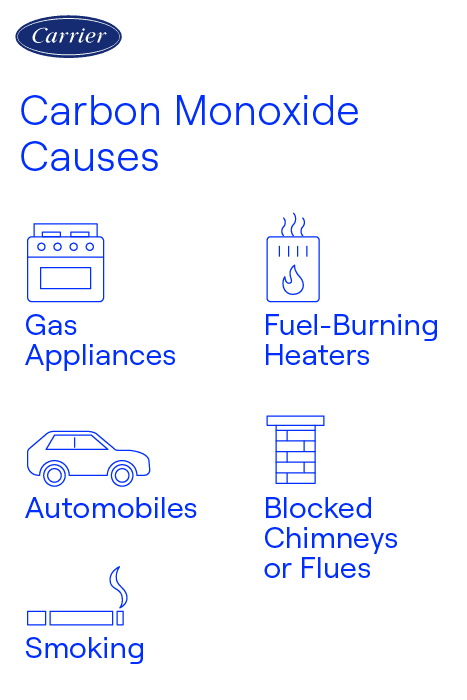
3. It Spreads Everywhere: If you have a CO leak, the gas isn't going to stay confined to a specific altitude. It's going to spread throughout the entire volume of air in your home, quickly contaminating the space. This emphasizes the need for proper ventilation and working detectors.
A Final Curious Thought
So, next time you think about carbon monoxide, remember it's not a gravity-defying superhero or a lead balloon. It's more like that guest at a party who just wants to mingle and chat with everyone, blending in seamlessly with the crowd.
This seemingly simple question about whether a gas rises or falls actually reveals a lot about its nature and helps us understand why awareness and safety measures are so incredibly vital. The world is full of these little scientific quirks, and diving into them can be surprisingly fun and empowering! Stay curious, and stay safe!