
Do Dimmed Lights Use Less Electricity
Ever found yourself in that perfect evening mood? You know, the one where the fairy lights are twinkling, there’s a good book in hand, and you gently slide that dimmer switch down, down, down? Ah, bliss! Your living room instantly transforms into a cozy sanctuary, perhaps even a dimly lit speakeasy if you're feeling adventurous.
But then, a tiny, nagging thought, like a miniature, finance-obsessed gremlin, whispers in your ear: "Am I actually saving electricity, or just making my house look like a moody indie film set while the meter keeps spinning?"
The Age-Old Question: Is My Dimming Obsession Costing Me?
It’s a question that’s probably crossed every penny-pincher’s mind, and frankly, it’s a good one! We all want to save a few quid, especially when it comes to the electric bill that arrives looking like it’s just seen a ghost. So, let's pull up a metaphorical chair, grab a metaphorical coffee, and unravel this dimly lit mystery.
Must Read
The short, satisfying answer? Mostly, yes! But, like trying to pick out a single, perfectly ripe avocado, it's a little more nuanced than just a blanket statement. It really depends on what kind of light bulb you're playing host to in your fixtures.
The Incandescent Grandpas: Old School, Big Savings
Let's start with the OGs, the grandfathers of light: incandescent bulbs. You know, the ones that get toasty warm, sometimes even hot enough to roast a marshmallow if you’re patient (and a little reckless). These guys are basically tiny ovens with a filament inside that heats up to glow. When you dim an incandescent bulb, what you’re essentially doing is reducing the amount of power flowing to that filament.
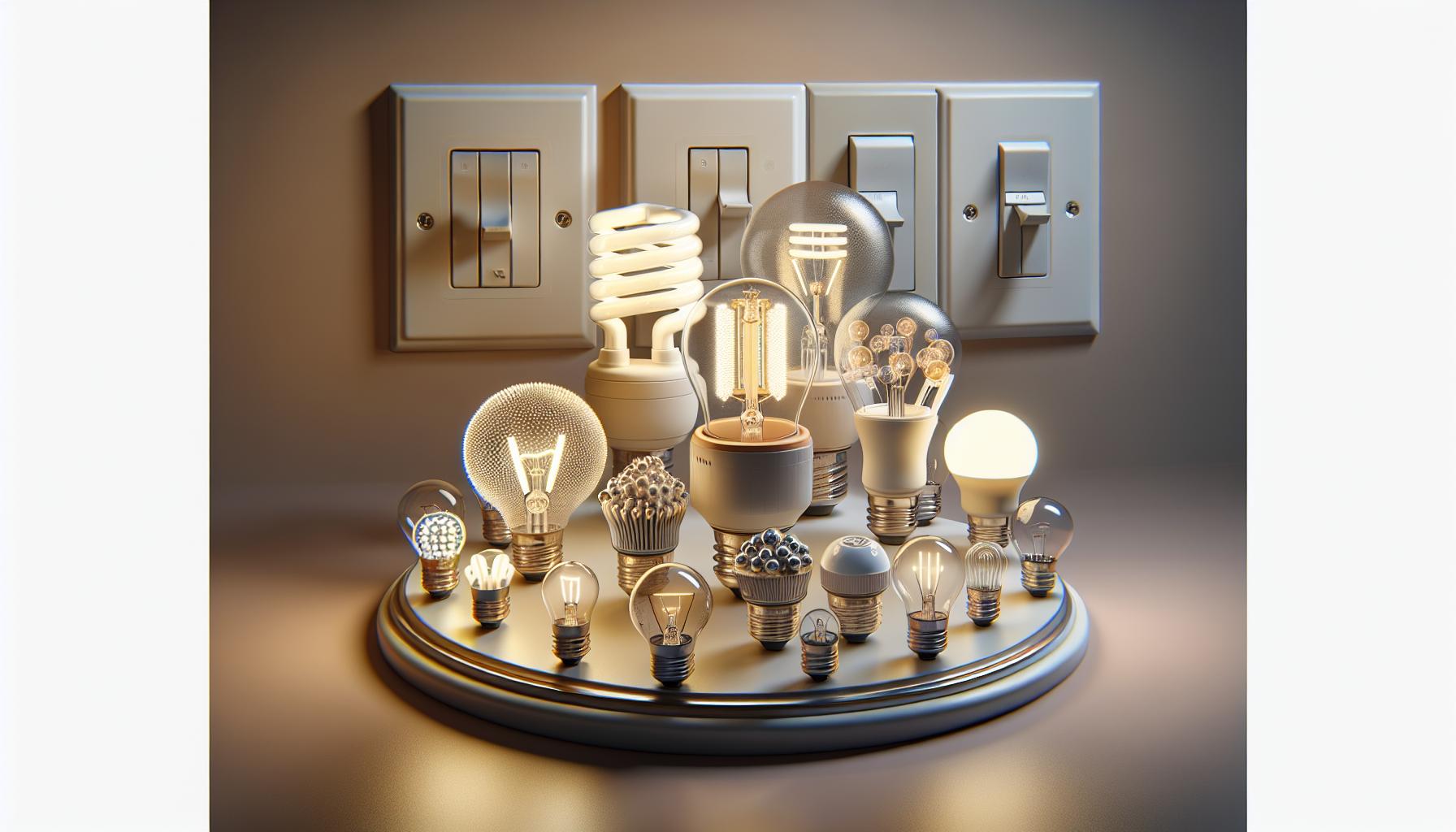
Think of it like driving your car with one foot on the gas and one gently on the brake. You’re still moving, but you're not burning as much fuel. A dimmer switch for an incandescent bulb is like a tiny electrical overlord, telling the bulb, "Hey, buddy, take it easy. Chill out a bit." Less power means less brightness, less heat, and crucially, less electricity consumed. These are your biggest energy savers when dimmed, often reducing consumption by a proportional amount to how much you dim them. Score!
The CFL Cousins: A Bit Complicated, A Bit Grumpy
Next up, we have the slightly awkward middle child of the bulb family: CFLs, or Compact Fluorescent Lamps. Remember those twisty, curly-Q bulbs that hummed a little song and took an age to reach full brightness? Well, when it comes to dimming, CFLs are a bit of a diva.
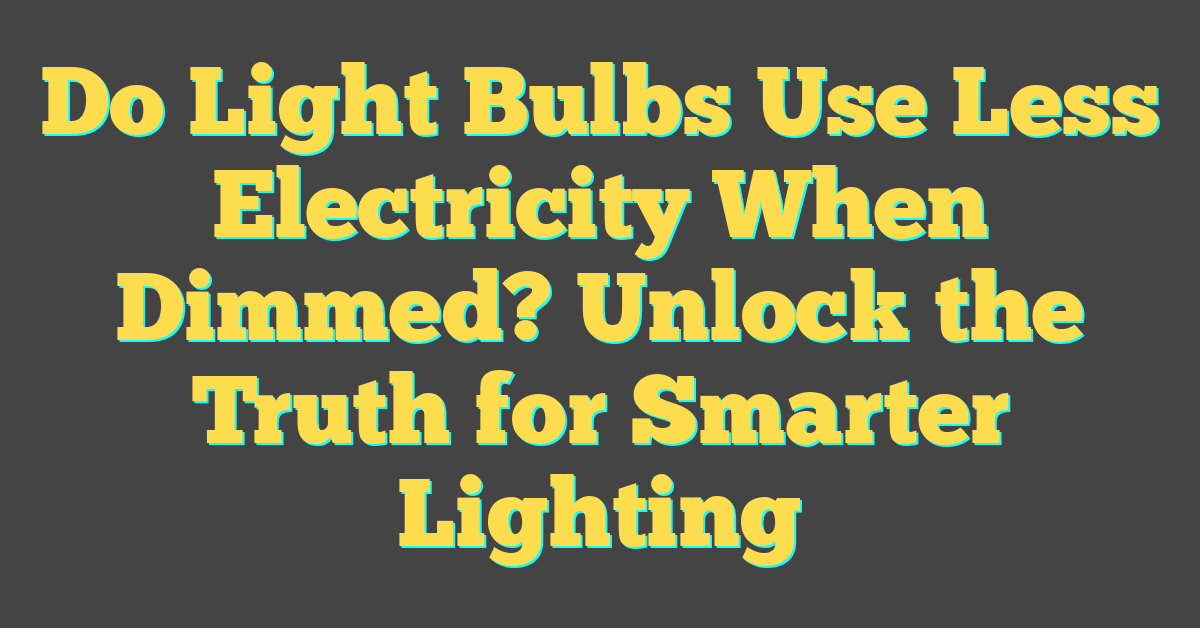
Most standard CFLs are actually not dimmable at all. Trying to dim a non-dimmable CFL is like trying to convince a cat to take a bath – it usually ends in flickering, buzzing, a very unhappy bulb, and potentially more energy consumption as it tries valiantly (and poorly) to comply. If you do have a special "dimmable" CFL, they need a specific dimmer switch designed for them. Even then, the energy savings aren't as straightforward or as dramatic as with incandescents, because of the way they use a ballast to excite gas to produce light. Dimming them can also shorten their already modest lifespan. So, for CFLs, it's generally best to stick to on or off, unless you've gone out of your way to get dimmable ones and the right dimmer.
The LED Millennials: Smart, Efficient, and Ready to Chill
And finally, we arrive at the current reigning champions of illumination: LEDs, or Light-Emitting Diodes. These sleek, super-efficient bulbs are the future, and thankfully, they play much nicer with dimmers than their CFL cousins.
Good news! Dimmable LED bulbs absolutely use less electricity when dimmed. The beauty of LEDs is that they are inherently energy-efficient. When you dim a compatible LED, you're directly reducing the power supplied to the diode, resulting in less light output and, you guessed it, less power draw. This is where your electric bill starts doing a little happy dance.

However, there's a small catch (isn't there always?). You need two things: first, LED bulbs that are specifically labeled as "dimmable," and second, a dimmer switch that is compatible with LEDs. Old dimmer switches designed for incandescents might cause flickering, buzzing, or inconsistent dimming with LEDs, because LEDs draw so little power that older dimmers often can't handle the minimal load properly. So, if you're upgrading to LEDs and want to dim, a new dimmer switch is often a wise investment.
It's also worth noting that the dimmer switch itself consumes a tiny, almost negligible amount of electricity to do its job. But the energy saved by dimming your bulbs far, far outweighs that small operational cost. Don’t lose sleep over it.
The Grand Verdict: Dim Away, My Friends!
So, there you have it! The answer to your inner penny-pincher's query is a resounding: yes, dimming your lights generally saves electricity!
Especially if you’re still rocking those classic incandescent bulbs, you're literally dialing down your energy consumption. With modern, dimmable LEDs, you're getting the best of both worlds: incredible energy efficiency from the get-go, plus additional savings (and that perfect mood lighting) when you dim them down. Just be mindful of those grumpy non-dimmable CFLs!
So next time you're setting the scene for a romantic dinner, a movie night, or just a quiet evening with your cat, go ahead and slide that dimmer switch down. You’re not just creating ambiance; you’re being a savvy energy consumer. Your wallet (and probably your cat, who appreciates the calm atmosphere) will thank you!